Solar Growth Needs Distribution Automation
Reader Context
Solar Growth Needs Distribution Automation matters because solar growth on distribution grids needs automation to manage voltage, exports and local constraints. For solar readers, this is a working issue.
The immediate challenge is that manual planning cannot keep up with high customer adoption.
System Constraint
The system requirement is that utilities should pair hosting maps with sensors, controls and tariff design. The public record may still omit delivery terms. Those details determine whether the idea works in practice.
A buyer should compare the contract with its own location, hourly demand, and tolerance for interruption. Terms for curtailment exposure and power-purchase terms decide whether the purchase changes real exposure or only changes reporting. The remedy for missed delivery belongs in the agreement, not in a later explanation.
Evidence to Watch
The procurement file needs a clear match between the promised service and the buyer's operating profile. Check how the contract handles power-purchase terms, then read the settlement language for curtailment exposure. A low quoted price can become expensive when those provisions sit with the customer.
A decision on the project needs a live alternative. a different project site may solve one constraint while storage-backed solar may arrive sooner or shift less cost to customers. The comparison should state how each option changes interconnection capacity and inverter requirements before declaring a winner.
Execution Risk
Financing the project requires more than a favorable demand forecast. Lenders need evidence for operations and maintenance, contract protection around module procurement, and a realistic remedy if either assumption fails. Those terms reveal more about project maturity than the headline investment total.
The schedule for the project should separate the next operating season from the financing and construction calendar. Curtailment exposure may move faster than inverter requirements, so a single completion date hides the real dependency. Track the next public milestone and revise the conclusion when that date slips or closes.
Community review of the proposed site needs plain figures for land and permitting, construction effects, and inverter requirements. Publish the next decision date and a contact point for corrections. That record gives residents and customers something firmer than a benefit claim made at the start of development.
The buyer should ask who can change dispatch, delivery, or volume after signature. That authority affects module procurement and the cost of land and permitting. A usable contract states the adjustment process before weather, prices, or project delays put it to the test. In "Solar Growth Needs Distribution Automation", this check belongs with the cited record.
Practical Reading
Readers can test distribution automation for solar growth by asking whether solar growth on distribution grids needs automation to manage voltage, exports and local constraints while the market still deals with the fact that manual planning cannot keep up with high customer adoption.
A decision on the project needs a live alternative. demand flexibility may solve one constraint while storage-backed solar may arrive sooner or shift less cost to customers. The comparison should state how each option changes land and permitting and power-purchase terms before declaring a winner.
The buyer should ask who can change dispatch, delivery, or volume after signature. That authority affects operations and maintenance and the cost of hourly output. A usable contract states the adjustment process before weather, prices, or project delays put it to the test.
For the project, separate approval from operation. The project team must close curtailment exposure before it can rely on land and permitting, and the public file should show both dates. Readers can then distinguish a financed announcement from equipment that can serve a customer.
The evidence on distribution automation for solar growth supports a narrower conclusion: solar growth needs distribution automation should be judged by implementation quality. The energy transition is no longer only a technology race.
Related context
The background to distribution automation for solar growth connects with Solar Growth Needs Transformer Planning. For a second distribution automation for solar growth comparison, read Rooftop Solar Needs Distribution Investment. The policy or market side of distribution automation for solar growth appears in Solar Growth Needs Evening Value Math.
Next record to check
The next review of distribution automation for solar growth needs a date for land and permitting and a separate date for hourly output. Use IEA Electricity 2026 to preserve the original reference point, then attach the later public record. This makes any revision traceable to a document rather than a change in editorial tone.
The next review of distribution automation for solar growth needs a date for inverter requirements and a separate date for interconnection capacity. Use IRENA Transitioning Away from Fossil Fuels to preserve the original reference point, then attach the later public record. This makes any revision traceable to a document rather than a change in editorial tone.
The next review of distribution automation for solar growth needs a date for operations and maintenance and a separate date for interconnection capacity. Use IEA Renewables to preserve the original reference point, then attach the later public record. This makes any revision traceable to a document rather than a change in editorial tone.
Sources reviewed
Related Reading
-
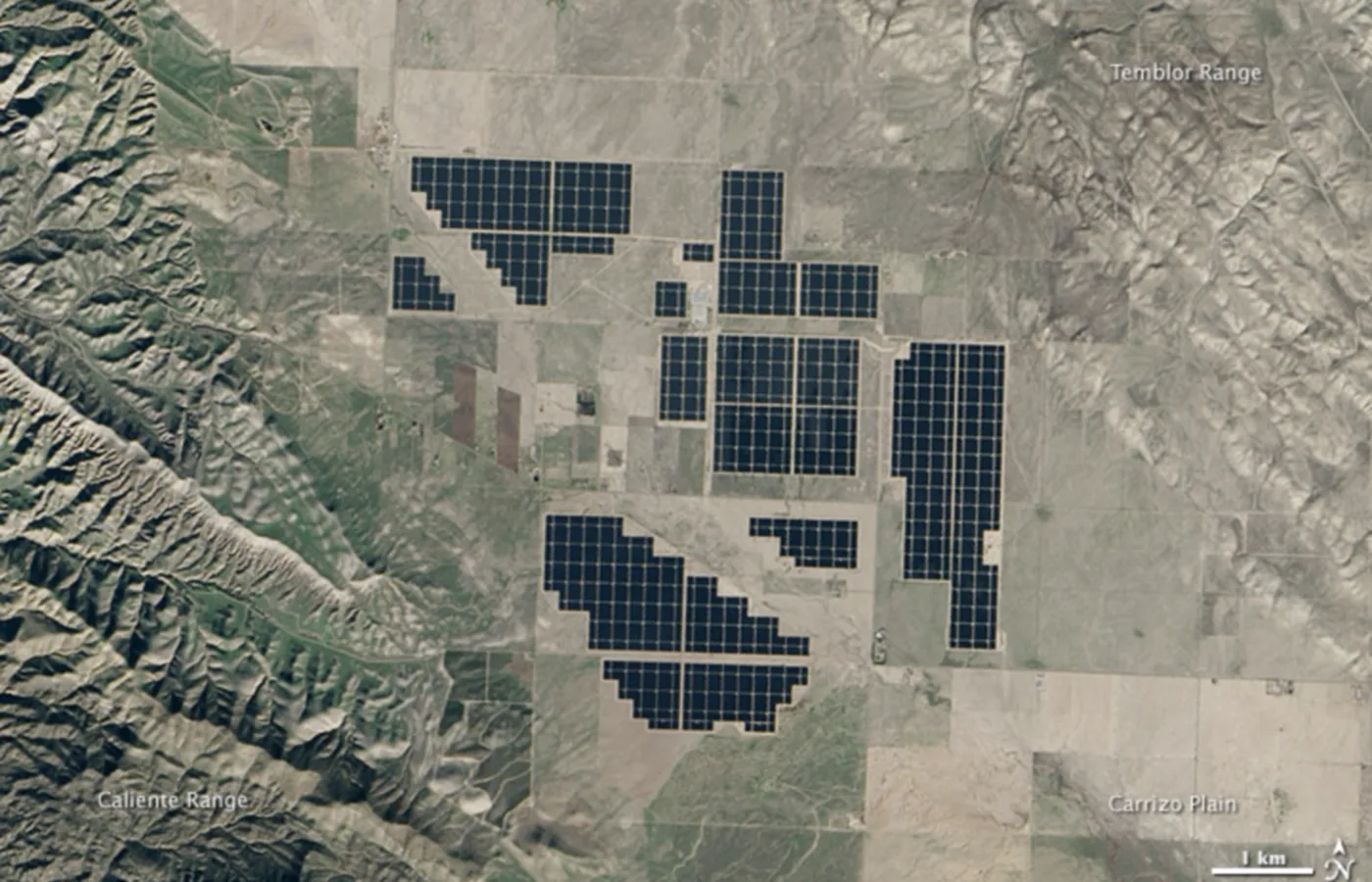
How Solar Power Works: From Sunlight to Grid Electricity
-
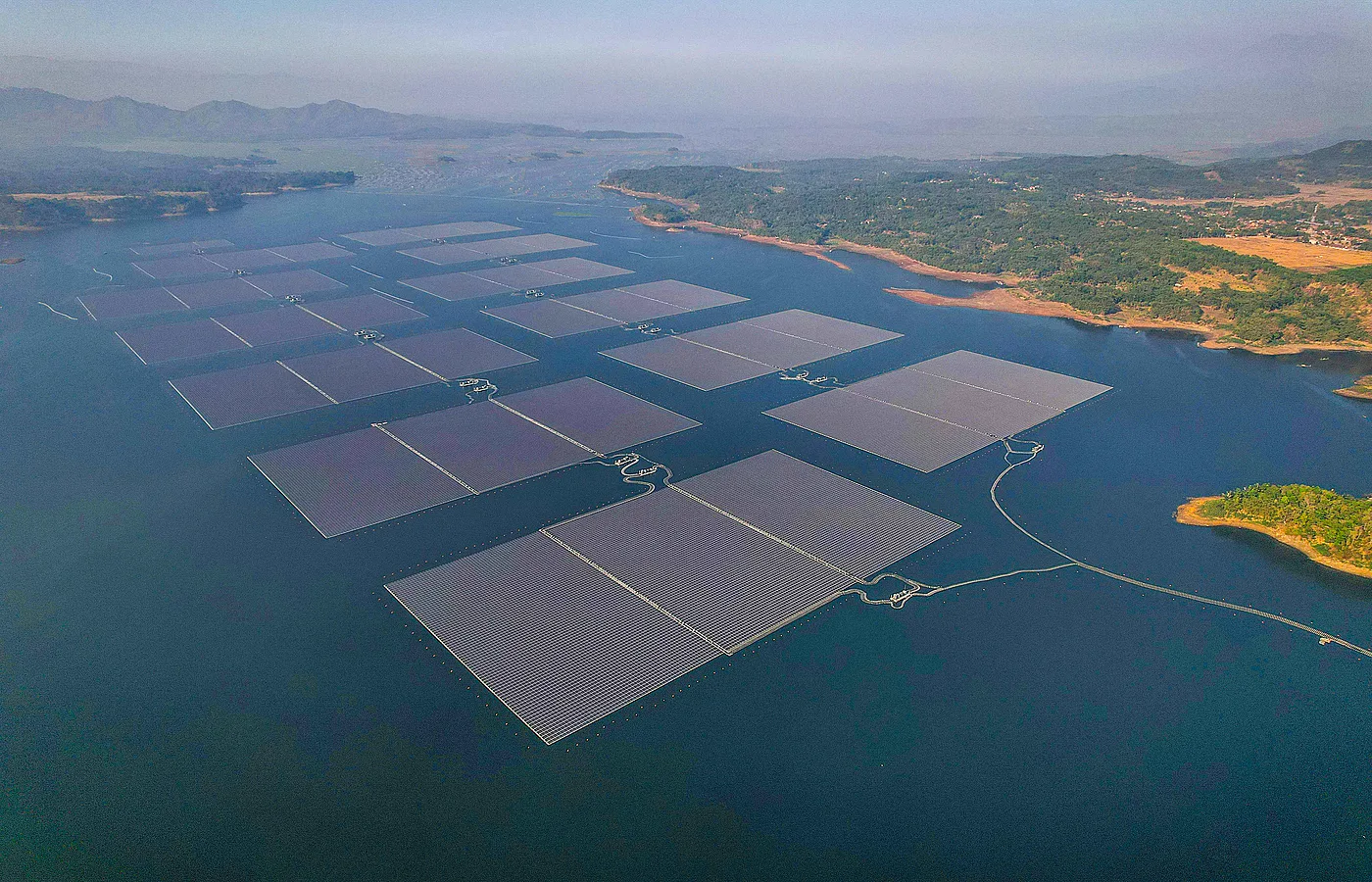
Solar Growth Is Testing Grid Capacity
-
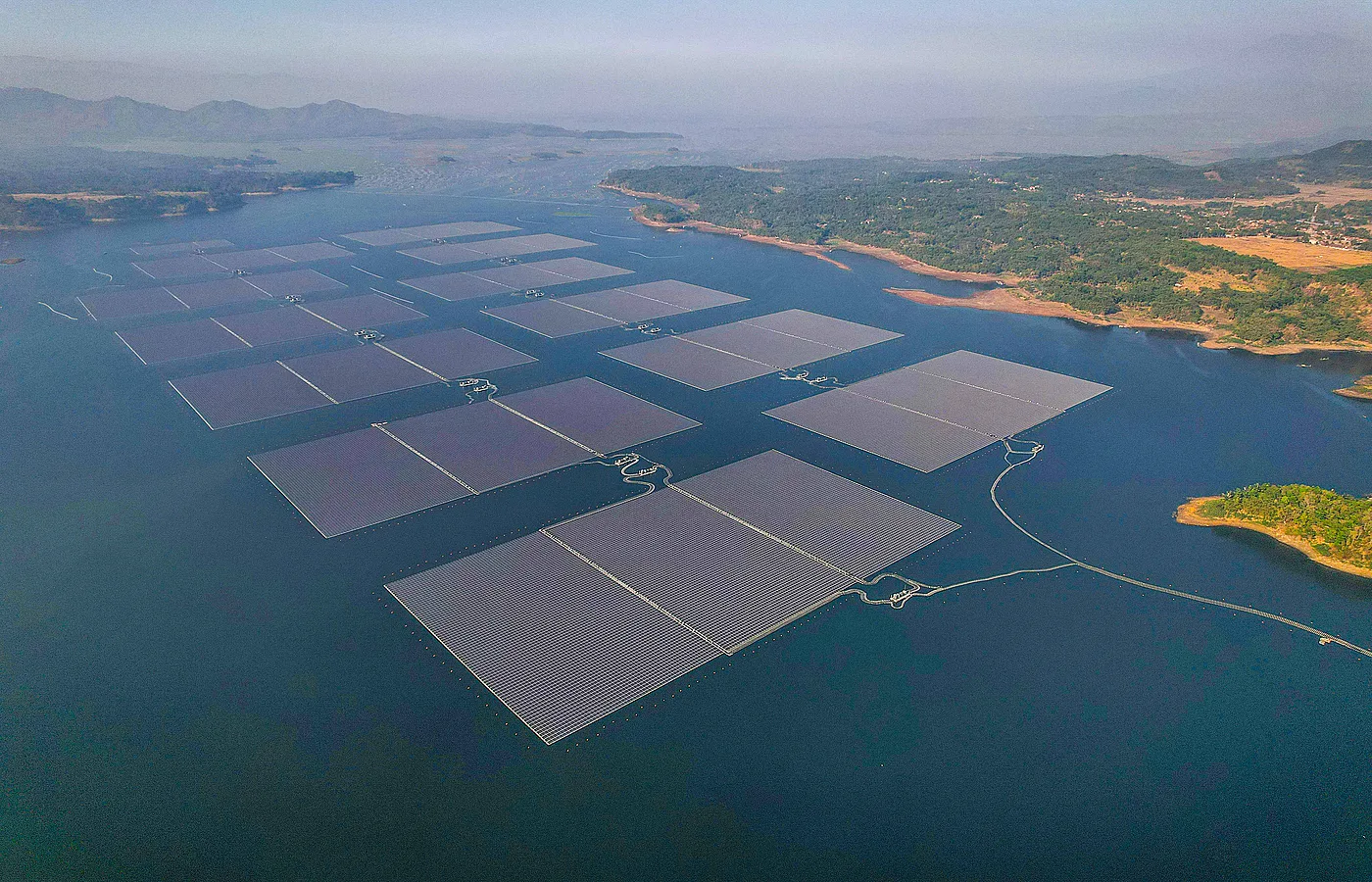
Floating Solar Shows Why Site-Specific Renewables Matter
-
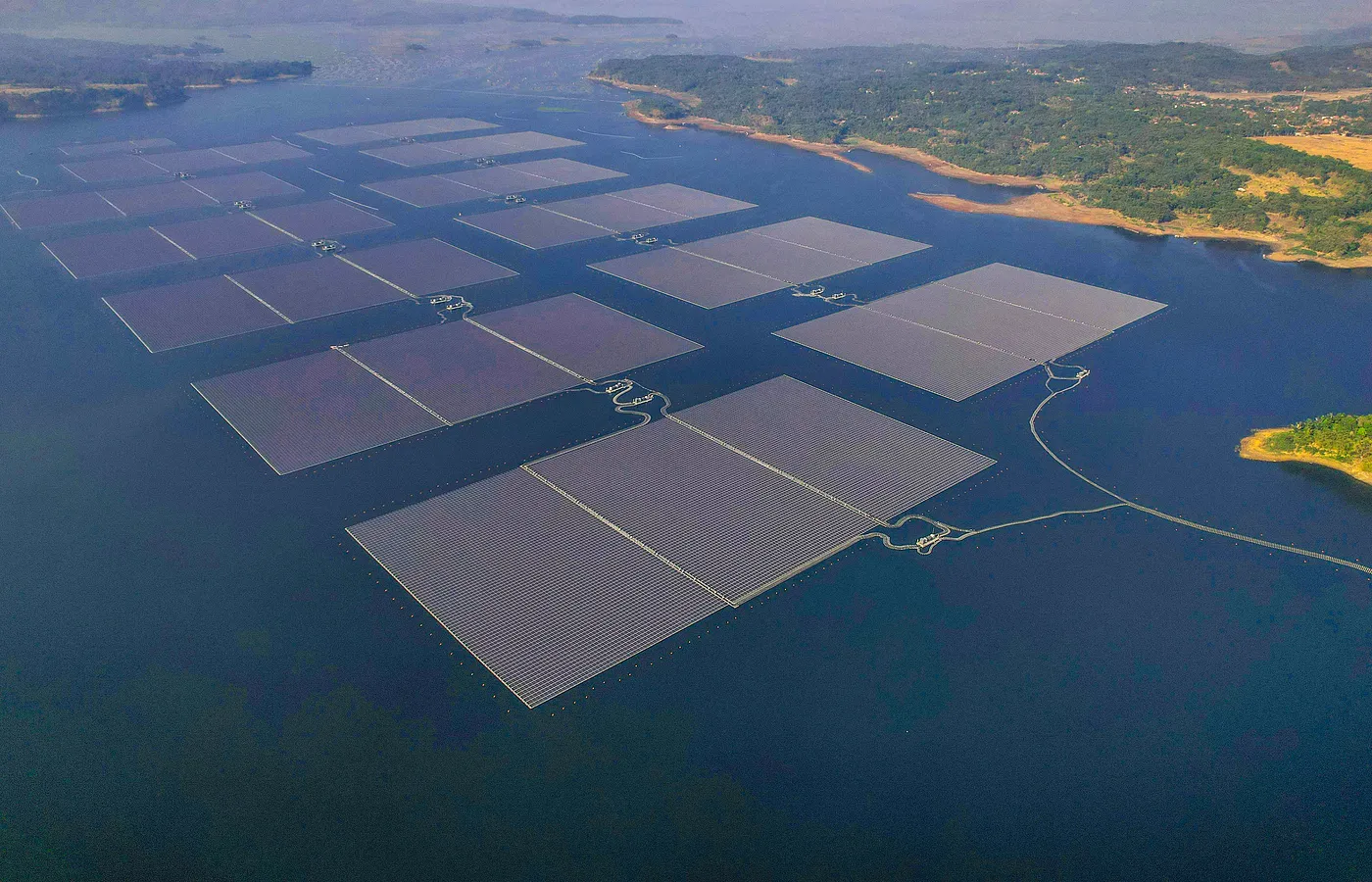
Solar Growth Is Turning Into a System Integration Test
-
Corporate Solar Procurement Needs Hourly Matching
-
Space-Based Solar for Data Centers Is Ambitious but Unproven
-
Solar Curtailment Is a Sign of Success and a Warning
-
Utility-Scale Solar Needs a Better Land-Use Conversation