Storage for Water-Constrained Data Centers Needs New
Reader Context
Storage for Water-Constrained Data Centers Needs New Metrics matters because storage can reduce peak grid stress near data centers but does not erase water exposure across power supply. For storage readers, this is a working issue.
The immediate challenge is that battery charging choices may change which generators and cooling systems operate.
System Constraint
The system requirement is that planners should include indirect water intensity in storage and power procurement choices. The public record may still omit delivery terms. Those details determine whether the idea works in practice.
A buyer should compare the contract with its own location, hourly demand, and tolerance for interruption. Terms for interconnection limits and fire-safety requirements decide whether the purchase changes real exposure or only changes reporting. The remedy for missed delivery belongs in the agreement, not in a later explanation.
Evidence to Watch
The buyer should ask who can change dispatch, delivery, or volume after signature. That authority affects fire-safety requirements and the cost of warranty throughput. A usable contract states the adjustment process before weather, prices, or project delays put it to the test.
The practical comparison for the project is between transmission reinforcement and a peaking resource, not between action and an ideal system. Compare both options on discharge duration, timing, and who absorbs a missed forecast. The better choice for the project is the one that performs under the site's actual operating limits.
Execution Risk
Financing the project requires more than a favorable demand forecast. Lenders need evidence for discharge duration, contract protection around degradation assumptions, and a realistic remedy if either assumption fails. Those terms reveal more about project maturity than the headline investment total.
The schedule for the project should separate the next operating season from the financing and construction calendar. Dispatch rights may move faster than degradation assumptions, so a single completion date hides the real dependency. Track the next public milestone and revise the conclusion when that date slips or closes.
The local test for the proposed site is whether the host system can absorb the change without shifting an unpriced burden to existing users. Check warranty throughput at the site and market revenue in the relevant public record. National averages cannot answer those two questions for a specific grid or community.
The procurement file needs a clear match between the promised service and the buyer's operating profile. Check how the contract handles interconnection limits, then read the settlement language for warranty throughput. A low quoted price can become expensive when those provisions sit with the customer.
Practical Reading
Readers can test new for storage for water-constrained data centers by asking whether storage can reduce peak grid stress near data centers but does not erase water exposure across power supply while the market still deals with the fact that battery charging choices may change which generators and cooling systems operate.
For the project, test a peaking resource against transmission reinforcement. Put discharge duration and degradation assumptions in the same table, then use the same demand and price assumptions for both cases. This avoids giving the preferred option an easier test than its closest workable substitute.
The buyer should ask who can change dispatch, delivery, or volume after signature. That authority affects replacement cost and the cost of warranty throughput. A usable contract states the adjustment process before weather, prices, or project delays put it to the test.
The handoff for the project starts before commissioning. Developers need a named owner for discharge duration, while operators need procedures for warranty throughput and a way to report exceptions. Weak handoffs often explain why a project misses the performance implied by its launch announcement.
The evidence on new for storage for water-constrained data centers supports a narrower conclusion: storage for water-constrained data centers needs new metrics should be judged by implementation quality. The energy transition is no longer only a technology race.
Related context
The background to new for storage for water-constrained data centers connects with AI Data Centers Need Storage at Multiple Time Scales. For a second new for storage for water-constrained data centers comparison, read Storage Siting Needs Distribution Grid Data. The policy or market side of new for storage for water-constrained data centers appears in Storage Permitting Needs Noise and Safety Data.
Next record to check
A follow-up on new for storage for water-constrained data centers should compare interconnection limits with fire-safety requirements. Tom Hardware: AI data centers and drought zones supplies the dated baseline, while the next filing or measured result should show what changed. The update should state whether the new evidence alters cost, delivery or the operating conclusion.
A follow-up on new for storage for water-constrained data centers should compare dispatch rights with warranty throughput. arXiv: Grid Integration of AI Data Centers supplies the dated baseline, while the next filing or measured result should show what changed. The update should state whether the new evidence alters cost, delivery or the operating conclusion.
Sources reviewed
Related Reading
-
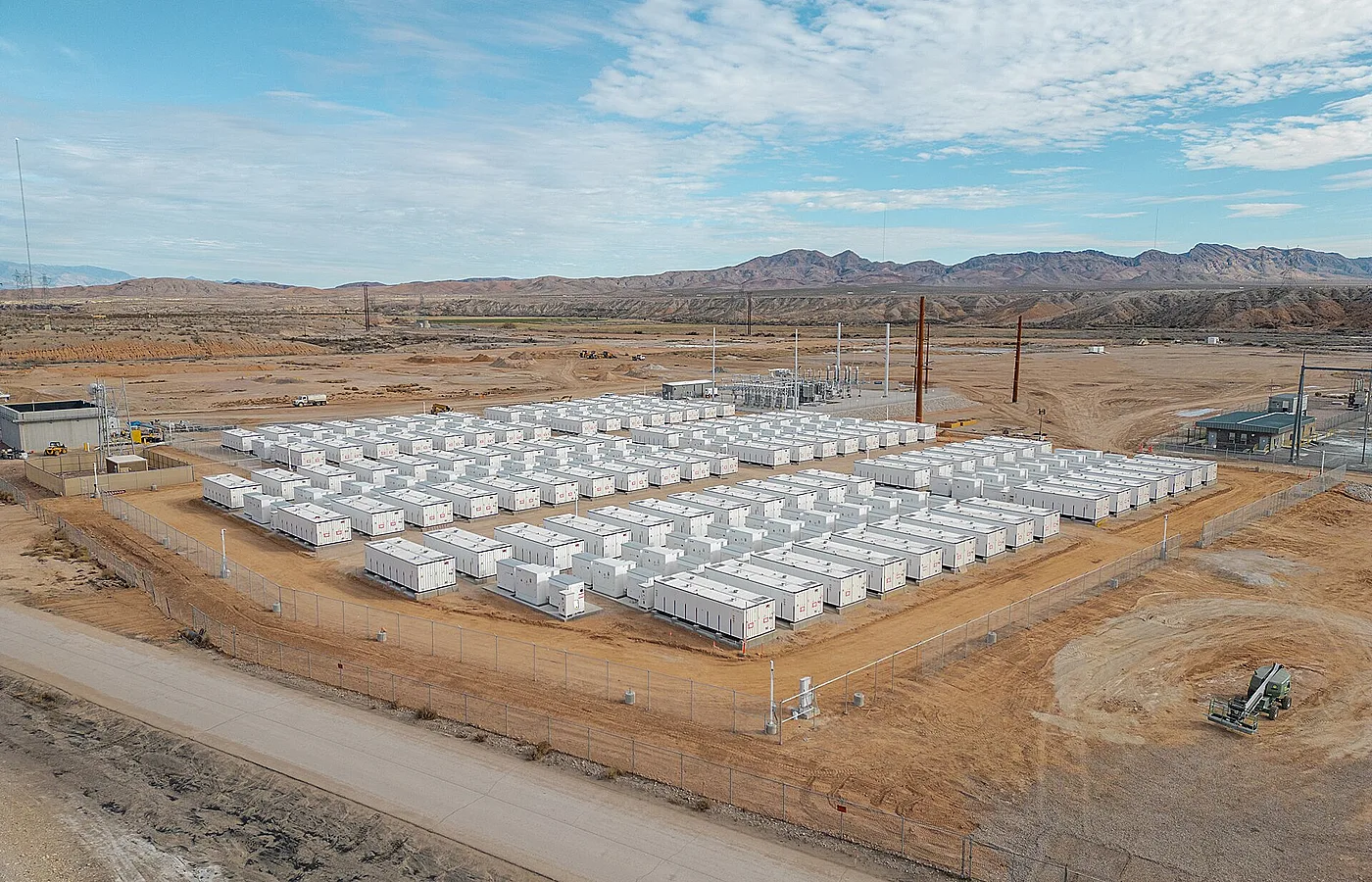
Battery Storage Basics: Why Grid Flexibility Matters
-
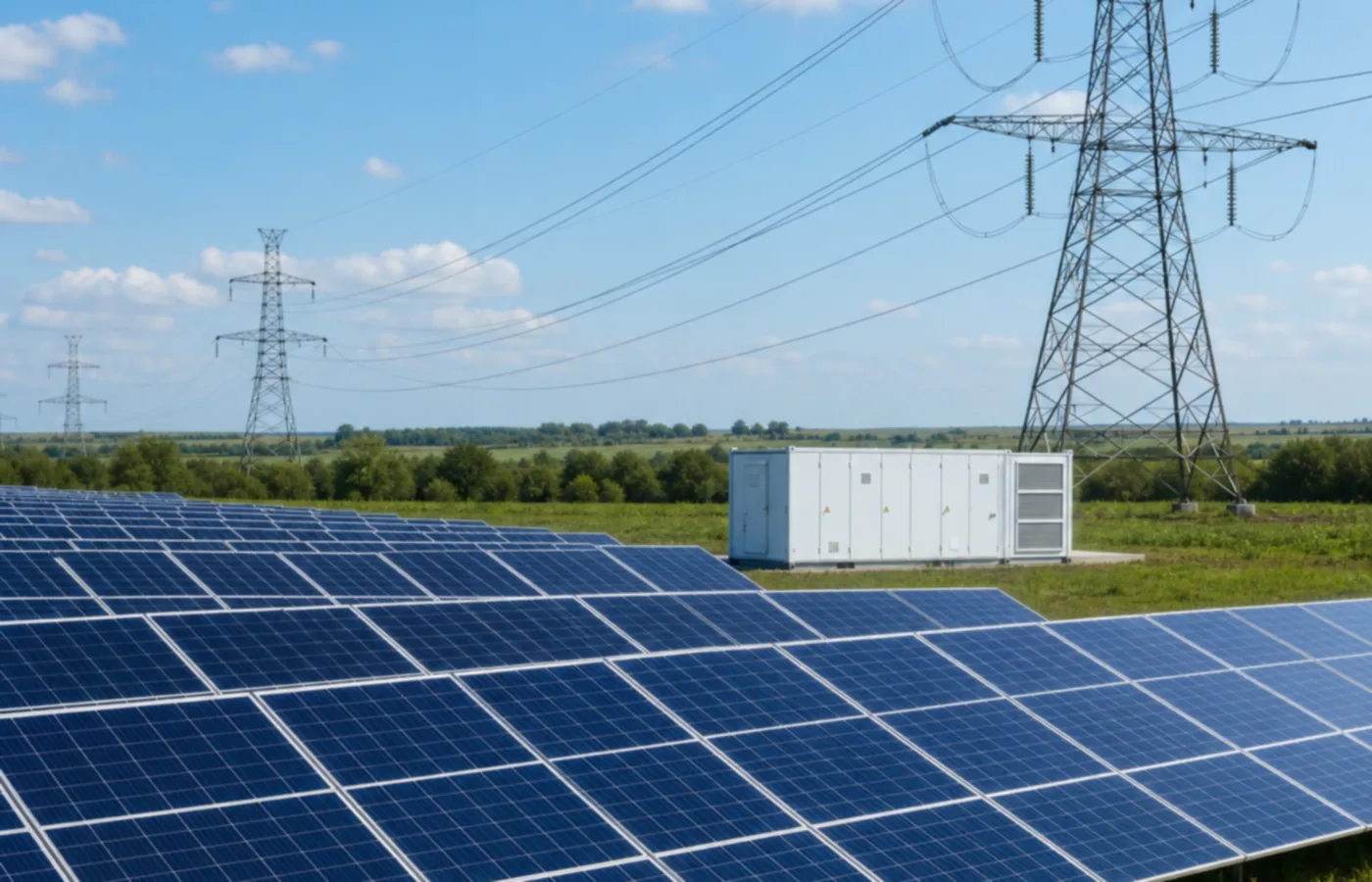
Battery Storage Moves From Renewable Add-On to Grid Asset
-
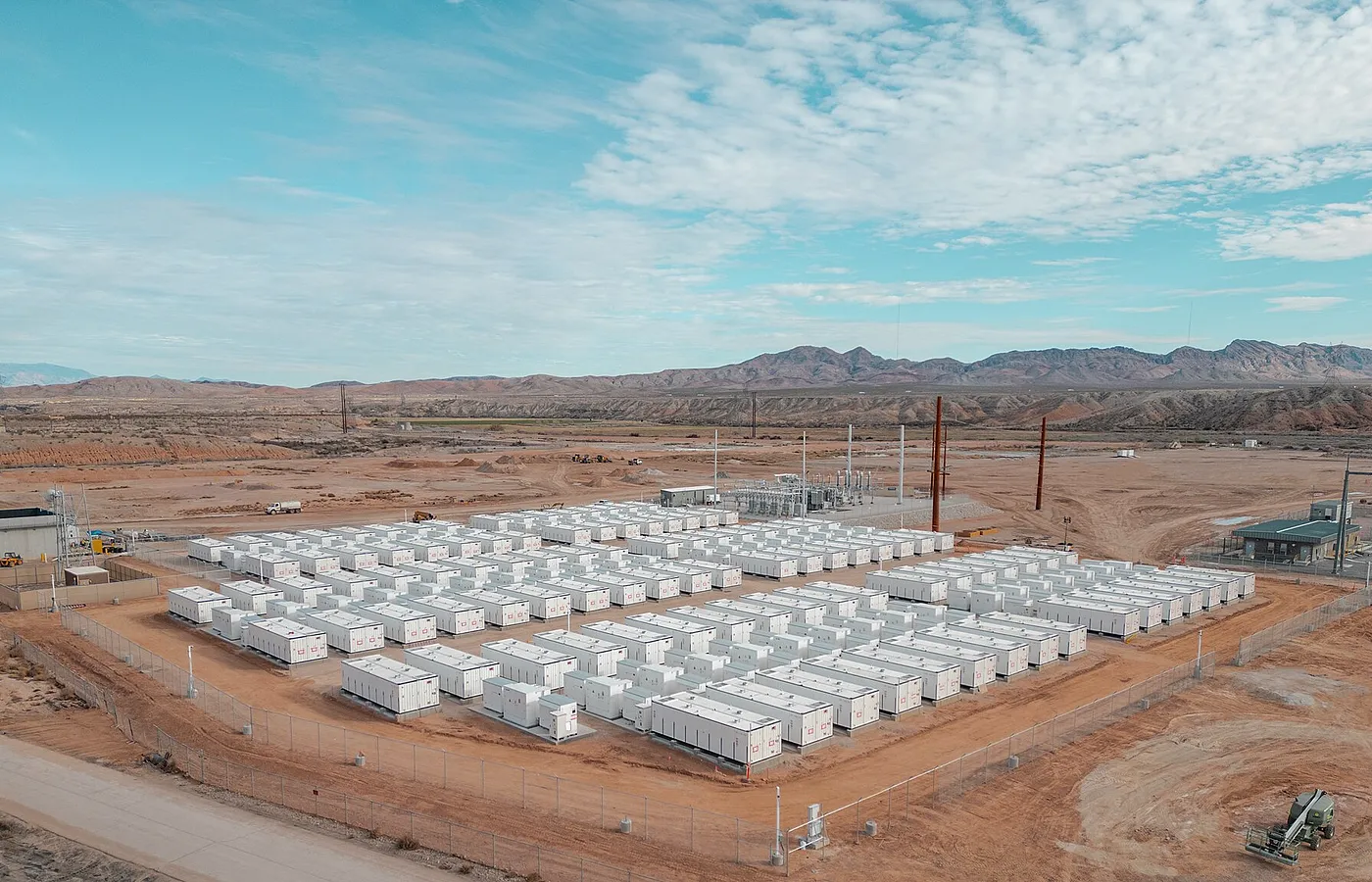
Grid-Interactive UPS Systems Could Make Data Centers Flexible
-
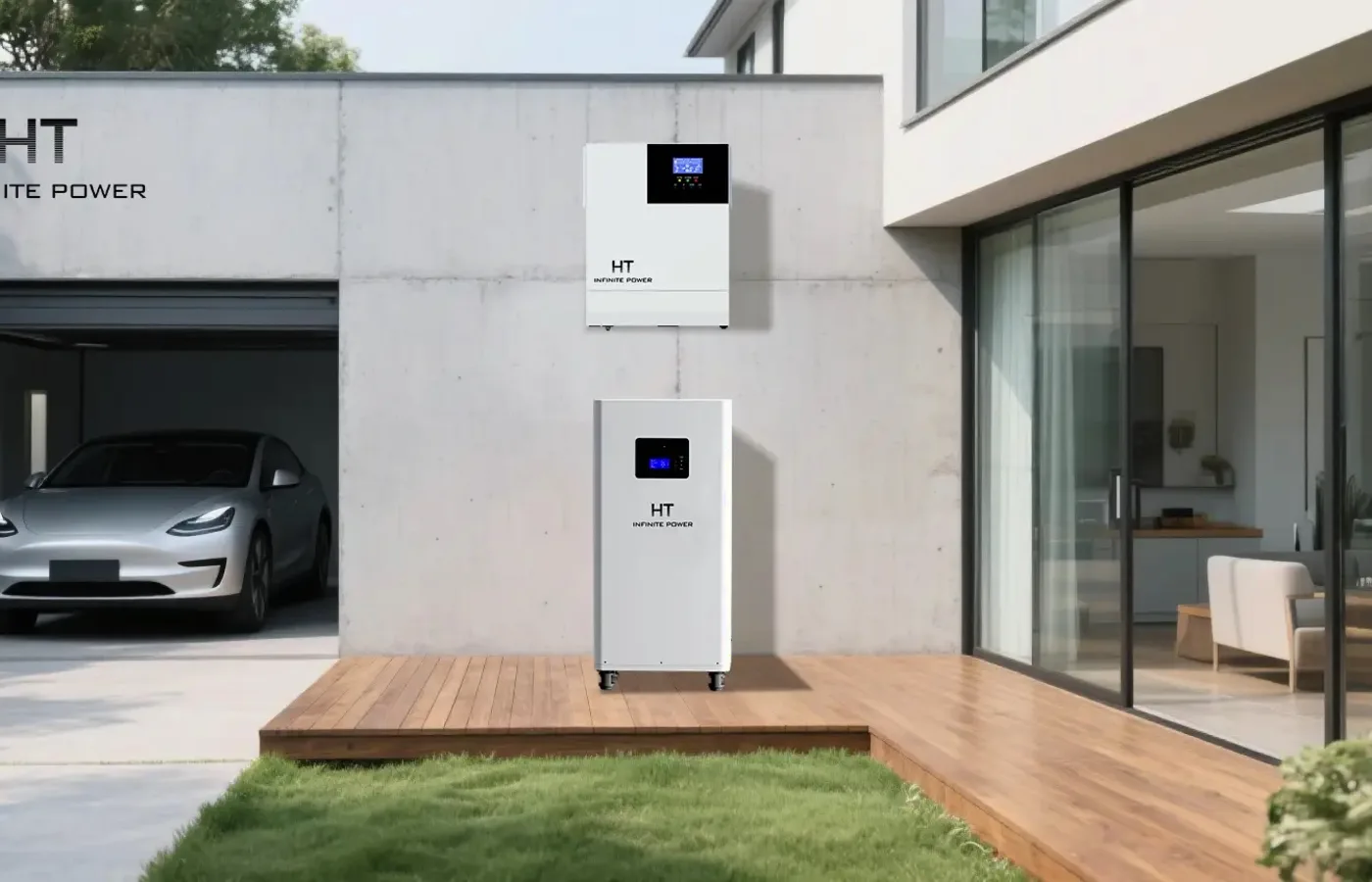
Firm Renewables Move Storage Beyond Simple Price Arbitrage
-
Long-Duration Storage Needs a Procurement Model
-
Grid-Scale Batteries Need More Than One Revenue Stream
-
Thermal Storage Deserves More Attention in Industrial Heat
-
Pumped Hydro Modernization Is a Hidden Storage Opportunity