AI Data Centers Need Grid Cost Tests
Why This Is in the News
AI Data Centers Need Grid Cost Tests matters now because FERC has ordered regional grid operators to speed interconnection work for large AI data centers while keeping upgrade costs with the projects that cause them. For readers following clean energy analysis, the headline is useful only if it leads to a testable energy question.
The practical question is this: the clean energy question is not whether data centers should connect, but how planners test cost, timing and flexibility before they do. That framing keeps the article close to assets, contracts, customers and grid conditions instead of turning the news into a slogan.
Where the Constraint Shows Up
The constraint usually appears through upgrade cost assignment, load ramp schedule, self-supply offer, curtailment rights, local reliability study. Each item can change how the same news should be read. A policy order, investment plan or project announcement may sound decisive and still leave the operational problem unresolved.
Readers should not treat today’s headline as the end of the story. The next evidence often comes from connection studies, procurement files, operating data, tariff filings, supplier records or public meetings. Those documents show whether a clean energy claim survives contact with the system it is supposed to serve.
Evidence Worth Checking
Start with dated evidence. For this topic, ask for upgrade cost assignment, load ramp schedule, self-supply offer and the party accountable for each item. A statement of ambition deserves less weight than a signed contract, a measured operating result or a regulatory filing with cost responsibility attached.
Then compare the nearest alternative. The alternative may be transmission, demand response, storage, a different fuel, a smaller project, a later connection date or a stronger efficiency plan. Clean energy decisions rarely choose between perfect and bad options. They choose which risk the system can manage.
The last evidence check is downside ownership. If costs rise, fuel availability changes, customers delay, equipment fails or public opposition grows, someone pays. Good reporting names that party before the project becomes too expensive to change.
Market Reading
Investors should read the commercial model before the technology label. Utilization, credit support, warranty terms, dispatch rules and local grid prices often decide whether a project survives beyond the base case. A project that works only under friendly assumptions should not anchor a market forecast.
Buyers should read contracts against their actual load, location and risk tolerance. A clean power or fuel agreement may support a public target while leaving delivery risk, price risk or reliability risk in the buyer’s hands. The contract should say what happens when the asset produces at the wrong time or misses the operating profile.
Operators should plan the handoff from development to daily service. Commissioning tests, spare parts, repair crews, control-room procedures and data access decide whether the project keeps the promise made during financing. Weak handoffs turn manageable risks into public failures.
Editors should keep the original claim on file and revisit it after the next milestone. Energy markets reward fresh announcements, but accountability comes from checking whether the same project secured permits, ordered equipment, connected to the grid and served the customer it named.
The better market read also separates location from narrative. A national headline can hide a local bottleneck, and a local success can fail to scale if the grid, labor pool or supplier base looks different elsewhere. Readers should ask where the claim works, where it does not work and what data would prove the difference.
How Readers Should Use This
Ask whether each data-center request names the megawatts, the substation, the backup plan and the party paying for network upgrades. This test turns a broad energy headline into a practical review method. It also lets readers compare solar, wind, gas, storage, hydrogen, grids and policy without pretending those resources perform the same job.
A useful article should leave the reader with a short checklist. Name the asset, the customer, the grid location, the revenue source, the responsible operator and the next date when the claim can be checked. If one field stays blank, the claim needs more reporting before it deserves confidence.
Readers should also watch for timing. Some energy news describes assets that can change this summer's reliability picture. Other items describe factory plans, hydrogen corridors or grid reforms that may need years. Mixing those time frames makes the transition look either easier or more chaotic than it is. A grounded reading keeps near-term operations, medium-term buildout and long-term strategy in separate columns.
That approach removes much of the noise from fast-moving energy coverage. It does not make the story dull. It makes the story usable for engineers, investors, policy staff and buyers who have to make decisions after the headline fades.
The conclusion is simple enough to reuse: judge the news by the constraint it clarifies. AI Data Centers Need Grid Cost Tests deserves attention when it helps readers see that constraint with more precision. Ark Energy will keep applying that standard as clean energy markets absorb faster demand growth, sharper grid limits and more complicated policy support.
Sources reviewed
Related Reading
-
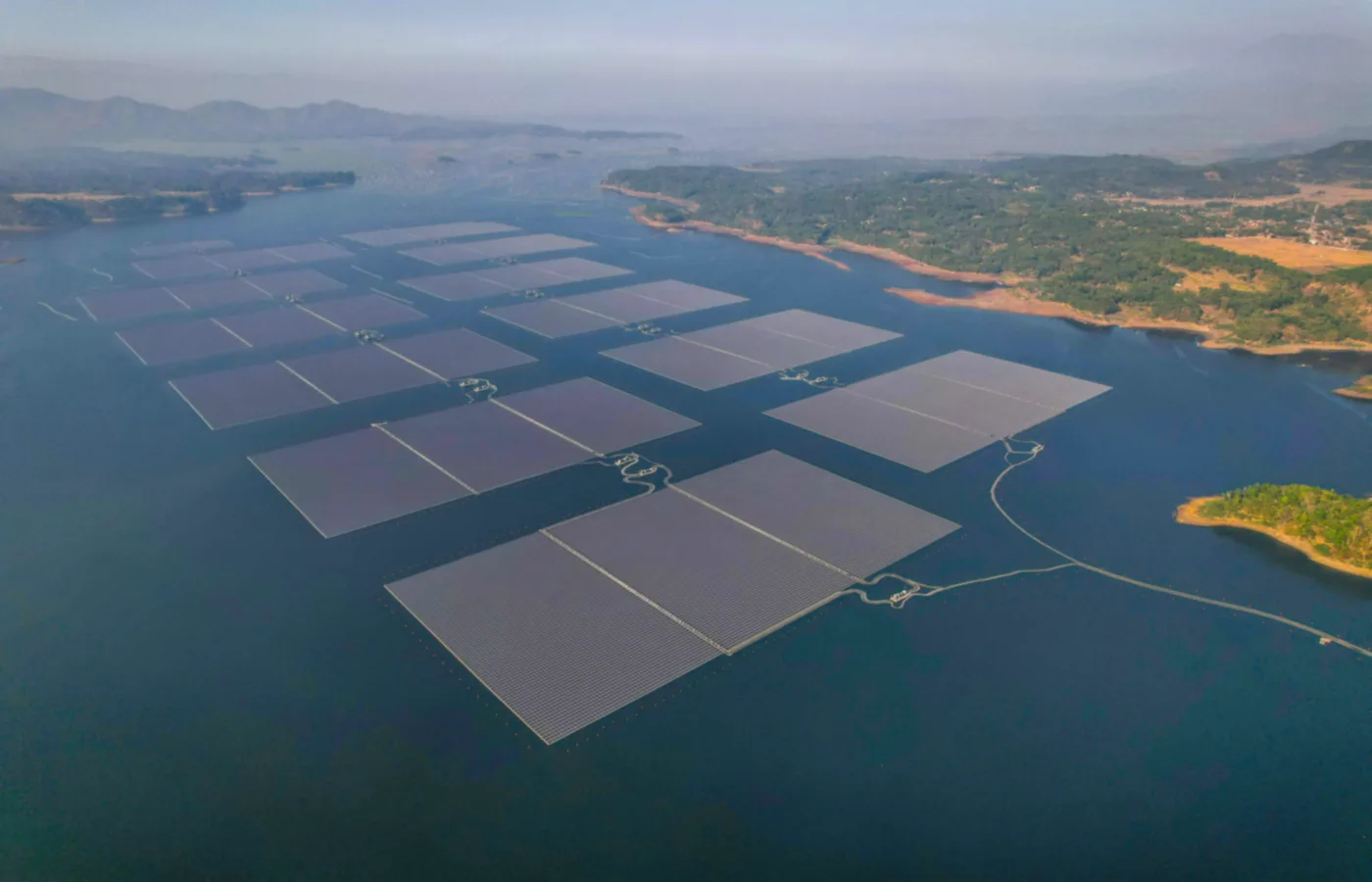
What Is Clean Energy? A Practical Beginner Guide
-
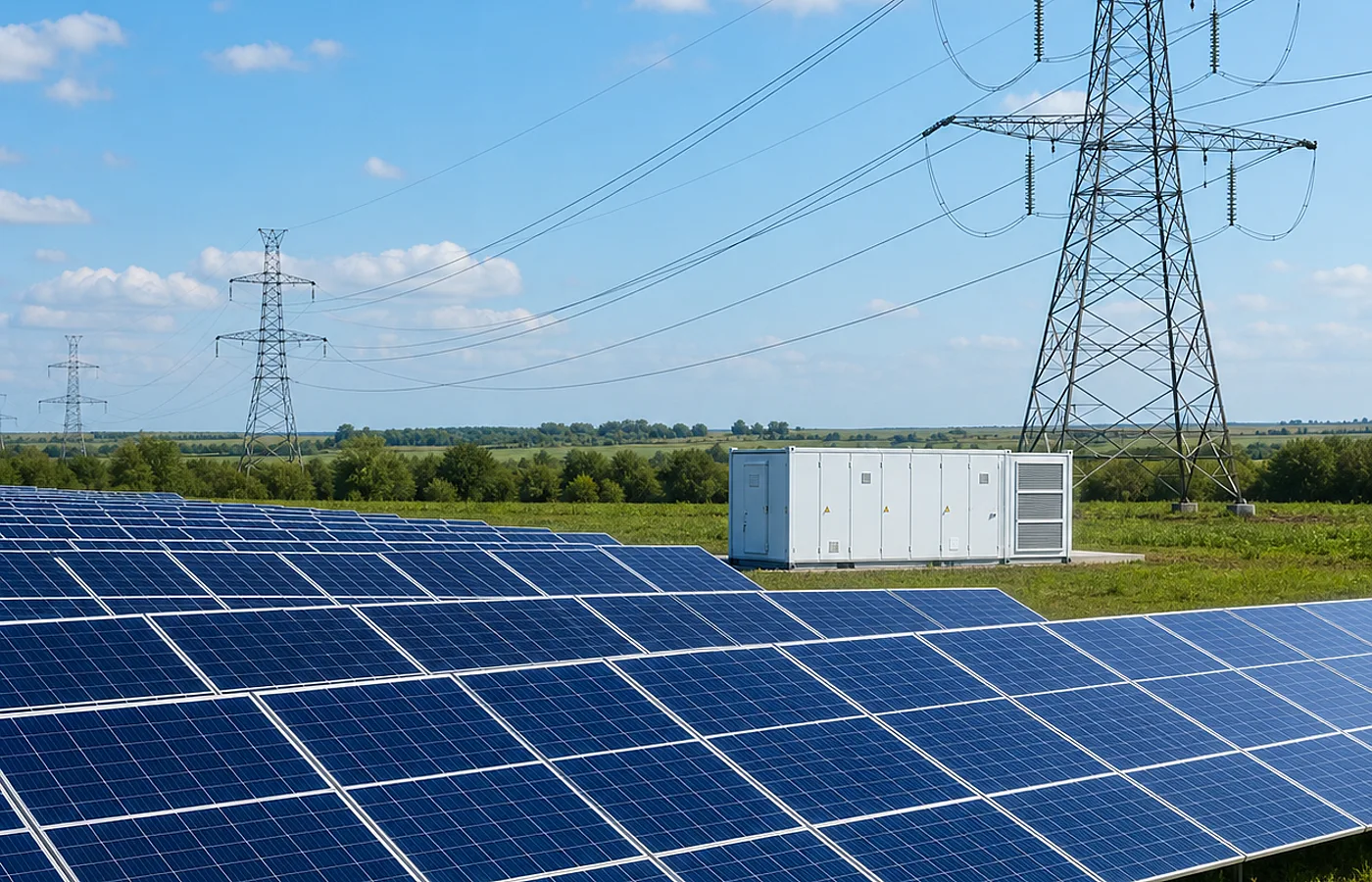
Energy Transition Vocabulary: Terms Every Reader Should Know
-
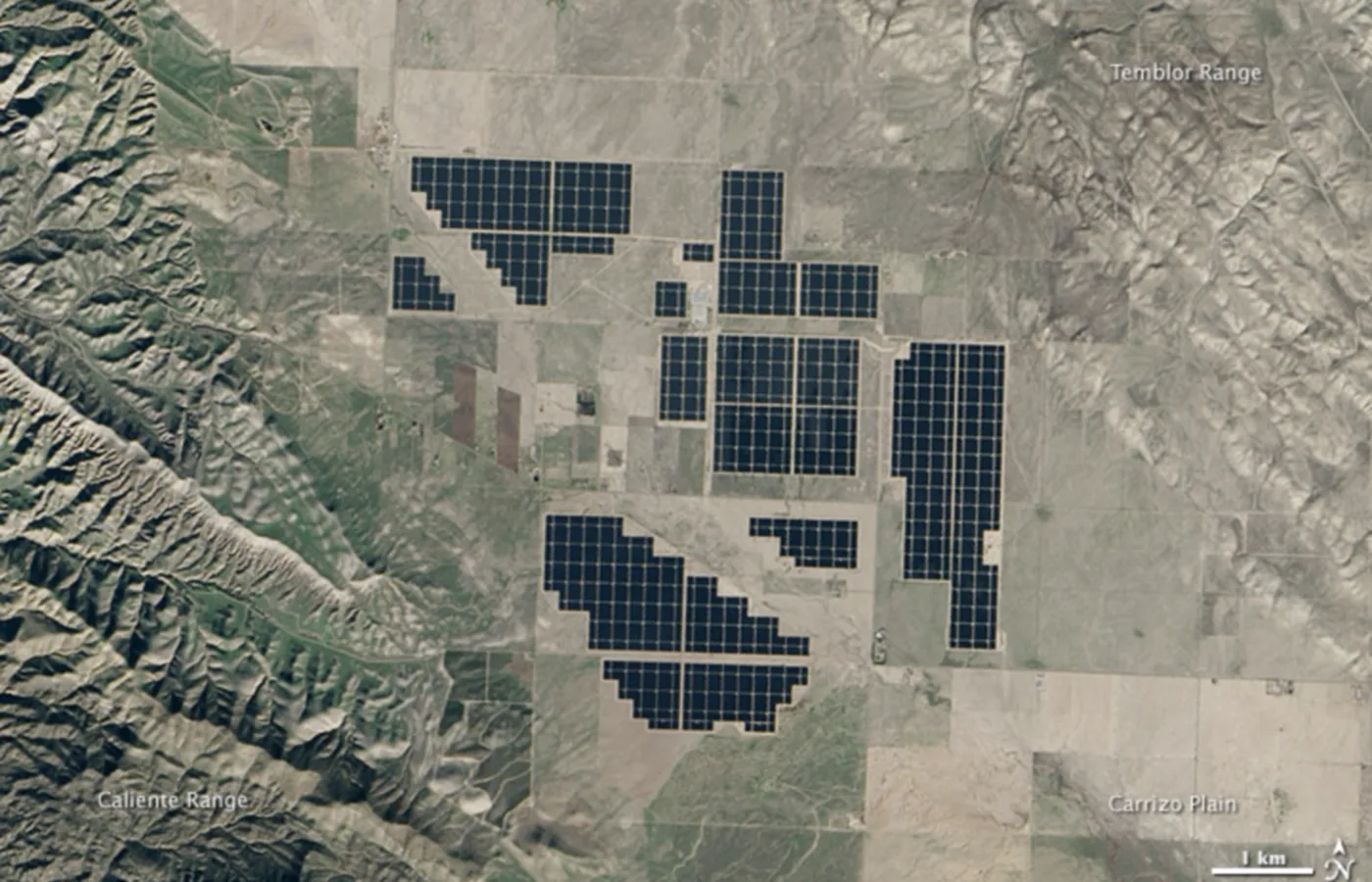
How to Read Renewable Capacity Numbers Without Overstating Progress
-
Why Clean Energy Headlines Can Mislead Readers
-
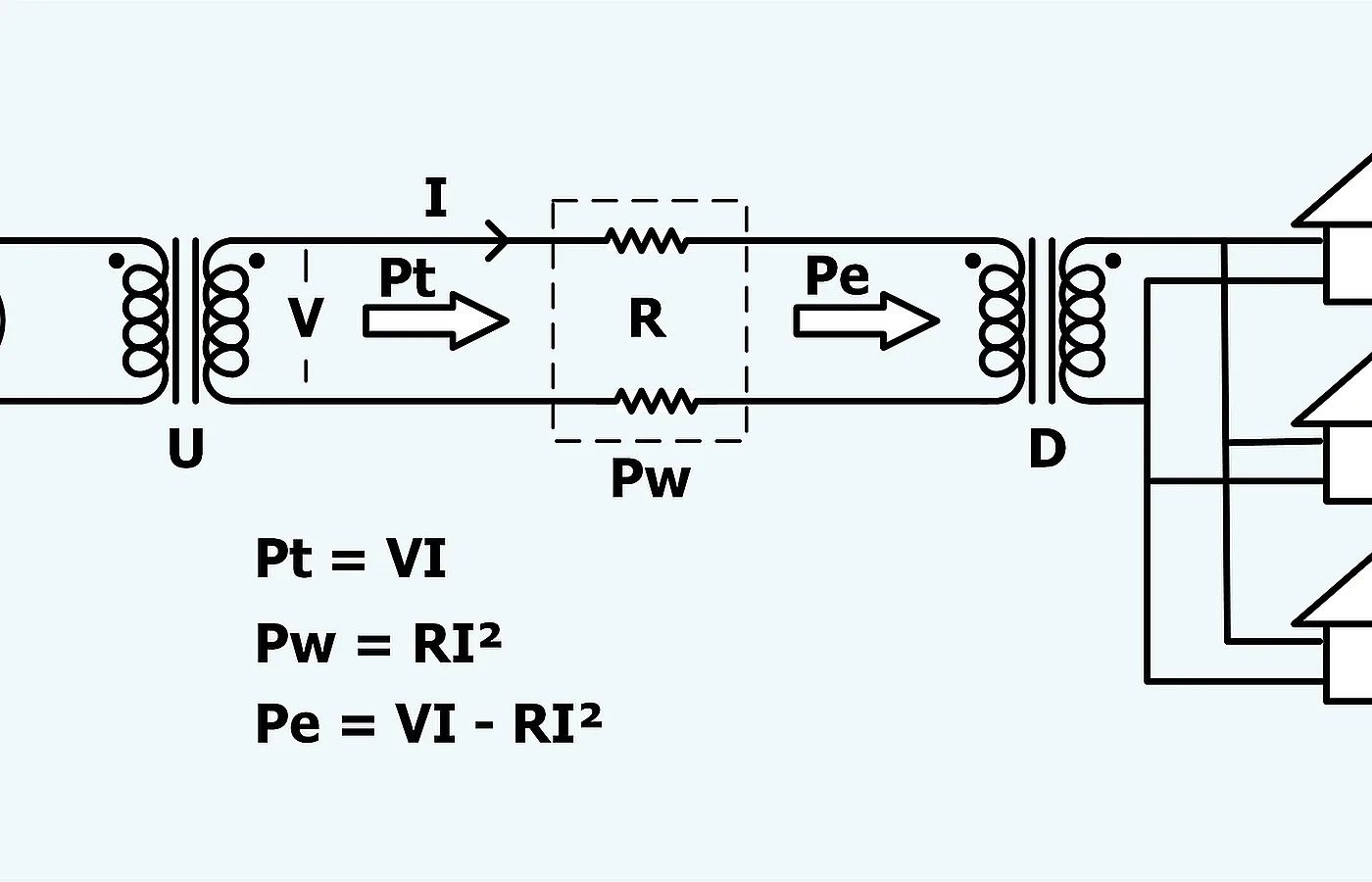
Electrification Is Not the Same as Simply Using More Electricity
-
Why Grid Connection Queues Became a Clean Energy Story
-
Why Household Batteries Are Becoming a Power Market Issue
-
How to Read Clean Energy Mining Claims Without Losing Context