Transition Vocabulary: Essential Market Terms
Energy Transition Vocabulary: Essential Market Terms belongs in the clean energy literacy debate because it affects how projects get planned, financed and operated.
Reader Context
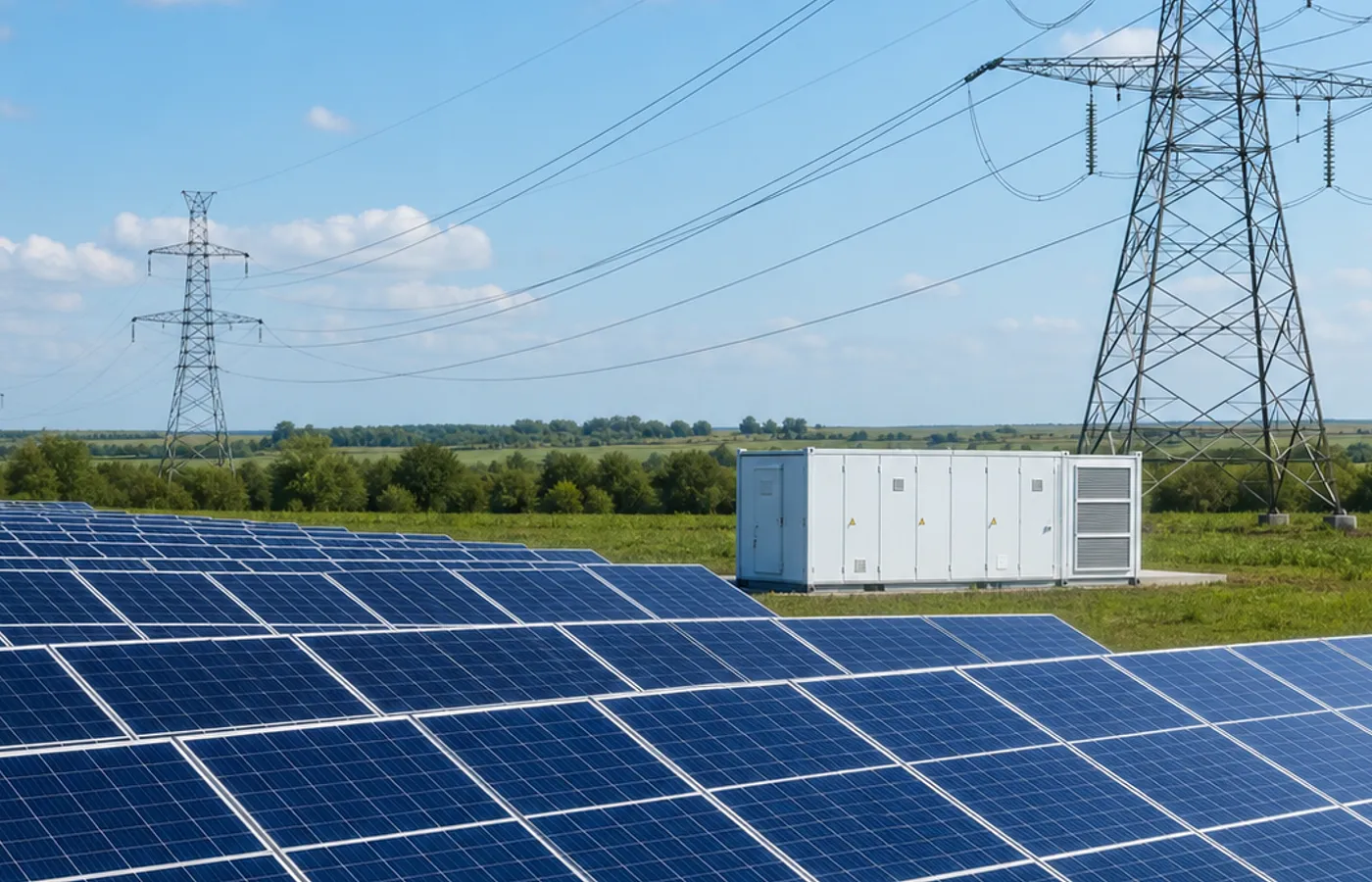
Energy writing often uses technical terms that sound familiar but carry specific meanings. Understanding those terms helps readers follow policy announcements, company filings, project updates, and market analysis with less confusion. Capacity and generation Capacity is the maximum output a plant can produce under suitable conditions. Generation is the actual electricity produced over time. A 100 MW solar farm does not generate 100 MW every hour, because output depends on sunlight, weather, equipment availability, and grid limits. Intermittency and flexibility Intermittency means output varies. Flexibility means the power system has tools to respond, such as storage, fast-ramping plants, transmission, demand response, and forecasting. Levelized cost and market value Levelized cost compares lifetime project costs with lifetime energy output. Market value asks a different question: what is that electricity worth when and where it is produced? Both measures matter.
Start with whether terms such as capacity, generation, flexibility, firm power and emissions intensity describe different realities. Public discussion often skips the operating details.
System Effects
Next, test system fit: misusing these words leads to exaggerated claims about both success and failure. These constraints are not secondary details.
Commercially, readers need a practical glossary tied to real power-system behavior.
Signals to Watch
For the decision, governance belongs in the operating case. Contracts and permits should show who approves the responsible institution, who verifies the operating boundary, and where a customer can challenge an error. Those details matter after the launch coverage has faded.
A useful evidence file for the claim starts with the measurement method. Add the deployment date, the publication date of "IEA Electricity 2026", and the next scheduled disclosure. Those items let a reader test the article's judgment without relying on a repeated market slogan.
For readers, the most practical test is this: clear language makes investment, policy and technology choices easier to compare.
Energy Transition Vocabulary: Essential Market Terms needs a basic test: evidence, timing and a clear route from plan to operation.
Timing changes the value of the project. A resource that helps with the cost bearer this year may do little for the deployment date several years later, and the reverse can also be true. The article should keep those clocks separate when it compares costs and reliability.
Related context
The background to transition vocabulary essential market terms connects with Why Household Batteries Are Becoming a Power Market Issue. For a second transition vocabulary essential market terms comparison, read Transition Supply Chains Are Becoming Geopolitical. The policy or market side of transition vocabulary essential market terms appears in How to Spot an Energy Transition Bottleneck.
Next record to check
A follow-up on transition vocabulary essential market terms should compare the responsible institution with the evidence that would reverse the conclusion. IEA Global Energy Review 2026 supplies the dated baseline, while the next filing or measured result should show what changed. The update should state whether the new evidence alters cost, delivery or the operating conclusion.
The next review of transition vocabulary essential market terms needs a date for the evidence that would reverse the conclusion and a separate date for the operating boundary. Use IEA Electricity 2026 to preserve the original reference point, then attach the later public record. This makes any revision traceable to a document rather than a change in editorial tone.
The next review of transition vocabulary essential market terms needs a date for the nearest substitute and a separate date for the responsible institution. Use IRENA Renewable Capacity Statistics 2026 to preserve the original reference point, then attach the later public record. This makes any revision traceable to a document rather than a change in editorial tone.
A follow-up on transition vocabulary essential market terms should compare the cost bearer with the measurement method. IEA Global Energy Review 2026 supplies the dated baseline, while the next filing or measured result should show what changed. The update should state whether the new evidence alters cost, delivery or the operating conclusion.
The next review of transition vocabulary essential market terms needs a date for the deployment date and a separate date for the physical mechanism. Use IEA Electricity 2026 to preserve the original reference point, then attach the later public record. This makes any revision traceable to a document rather than a change in editorial tone.
A follow-up on transition vocabulary essential market terms should compare the deployment date with the measurement method. IRENA Renewable Capacity Statistics 2026 supplies the dated baseline, while the next filing or measured result should show what changed. The update should state whether the new evidence alters cost, delivery or the operating conclusion.
Sources reviewed
Related Reading
-

What Is Clean Energy? A Practical Beginner Guide
-
Transition Vocabulary: Essential Market Terms
-

How to Read Renewable Capacity Numbers
-
Why Clean Energy Headlines Can Mislead Readers
-

Electrification Differs From More Electricity
-

Why Grid Connection Queues Became a Clean Energy Story
-

Why Household Batteries Are Becoming a Power Market Issue
-

How to Read Clean Energy Mining Claims in Context