What Is Clean Energy? A Practical Beginner Guide
What Is Clean Energy? A Practical Beginner Guide belongs in the clean energy literacy debate because it affects how projects get planned, financed and operated.
Reader Context
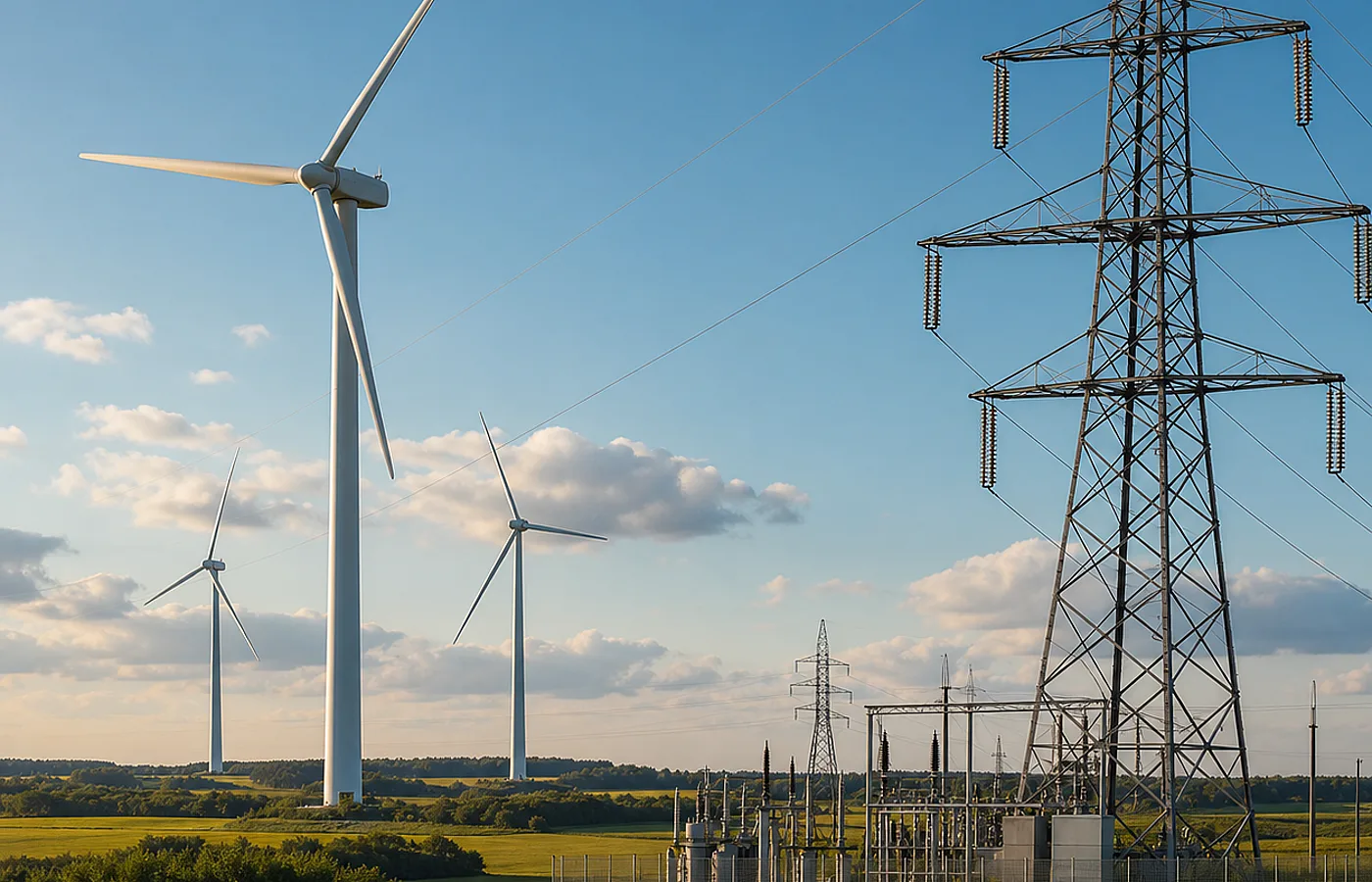
Clean energy is energy produced with low or no direct greenhouse gas emissions. The term usually includes solar power, wind power, hydropower, geothermal energy, nuclear power in some policy discussions, and low-carbon fuels or storage systems that help reduce emissions across the power system. The practical point is not that every technology is perfect. It is that cleaner energy sources can reduce air pollution, lower carbon intensity, diversify supply, and make electricity systems less dependent on a single fuel. A modern clean energy system normally combines generation, grids, storage, flexible demand, and policy support. Why clean energy matters Energy demand keeps growing as economies electrify transport, buildings, industry, and data infrastructure. If that demand is met only with high-emission fuels, climate and air-quality pressures increase. Clean energy gives countries and companies a way to expand useful energy while reducing the environmental cost of that expansion. What to watch The most important questions are cost, reliability, land use, grid capacity, storage duration, permitting, and supply chains. A clean energy project is also a technology story. It is also a finance, policy, construction, and grid-connection story.
Start with whether readers need to separate energy source, end-use service, grid timing and emissions impact. Public discussion often skips the operating details.
System Effects
Next, test system fit: solar, wind, hydro, geothermal, nuclear, storage and efficiency each solve different parts of the problem. These constraints are not secondary details.
Commercially, the practical test is whether a technology lowers emissions while preserving reliability and affordability.
Signals to Watch
Accountability for the decision starts with the organization that controls the responsible institution. The same record should identify who pays when the evidence that would reverse the conclusion costs more or arrives late. Without those names, readers cannot tell whether the plan manages risk or transfers it out of view.
For the claim, begin with the physical mechanism and the responsible institution. The cited item "IEA Electricity 2026" gives the reader a dated reference point, but the article still needs the next measured result. A change in the physical mechanism would alter the reading of the claim even if the public headline stayed the same.
The practical test is to judge claims by measured output, integration needs and real-world deployment constraints.
What Is Clean Energy? A Practical Beginner Guide needs a basic test: evidence, timing and a clear route from plan to operation.
Related context
The background to clean energy practical beginner guide connects with Why Grid Connection Queues Became a Clean Energy Story. For a second clean energy practical beginner guide comparison, read How to Read Clean Energy Mining Claims in Context. The policy or market side of clean energy practical beginner guide appears in Why Clean Energy Data Needs Better Units.
Next record to check
A follow-up on clean energy practical beginner guide should compare the physical mechanism with the cost bearer. IEA Global Energy Review 2026 supplies the dated baseline, while the next filing or measured result should show what changed. The update should state whether the new evidence alters cost, delivery or the operating conclusion.
For clean energy practical beginner guide, keep one compact file containing the measurement method, the cost bearer and the next responsible party. The source IEA Electricity 2026 anchors the current reading. A later update should explain which assumption moved and why that movement changes the practical decision.
The next review of clean energy practical beginner guide needs a date for the nearest substitute and a separate date for the operating boundary. Use IRENA Renewable Capacity Statistics 2026 to preserve the original reference point, then attach the later public record. This makes any revision traceable to a document rather than a change in editorial tone.
For clean energy practical beginner guide, keep one compact file containing the responsible institution, the cost bearer and the next responsible party. The source IEA Global Energy Review 2026 anchors the current reading. A later update should explain which assumption moved and why that movement changes the practical decision.
The next review of clean energy practical beginner guide needs a date for the physical mechanism and a separate date for the nearest substitute. Use IEA Electricity 2026 to preserve the original reference point, then attach the later public record. This makes any revision traceable to a document rather than a change in editorial tone.
For clean energy practical beginner guide, keep one compact file containing the cost bearer, the operating boundary and the next responsible party. The source IRENA Renewable Capacity Statistics 2026 anchors the current reading. A later update should explain which assumption moved and why that movement changes the practical decision.
Sources reviewed
Related Reading
-
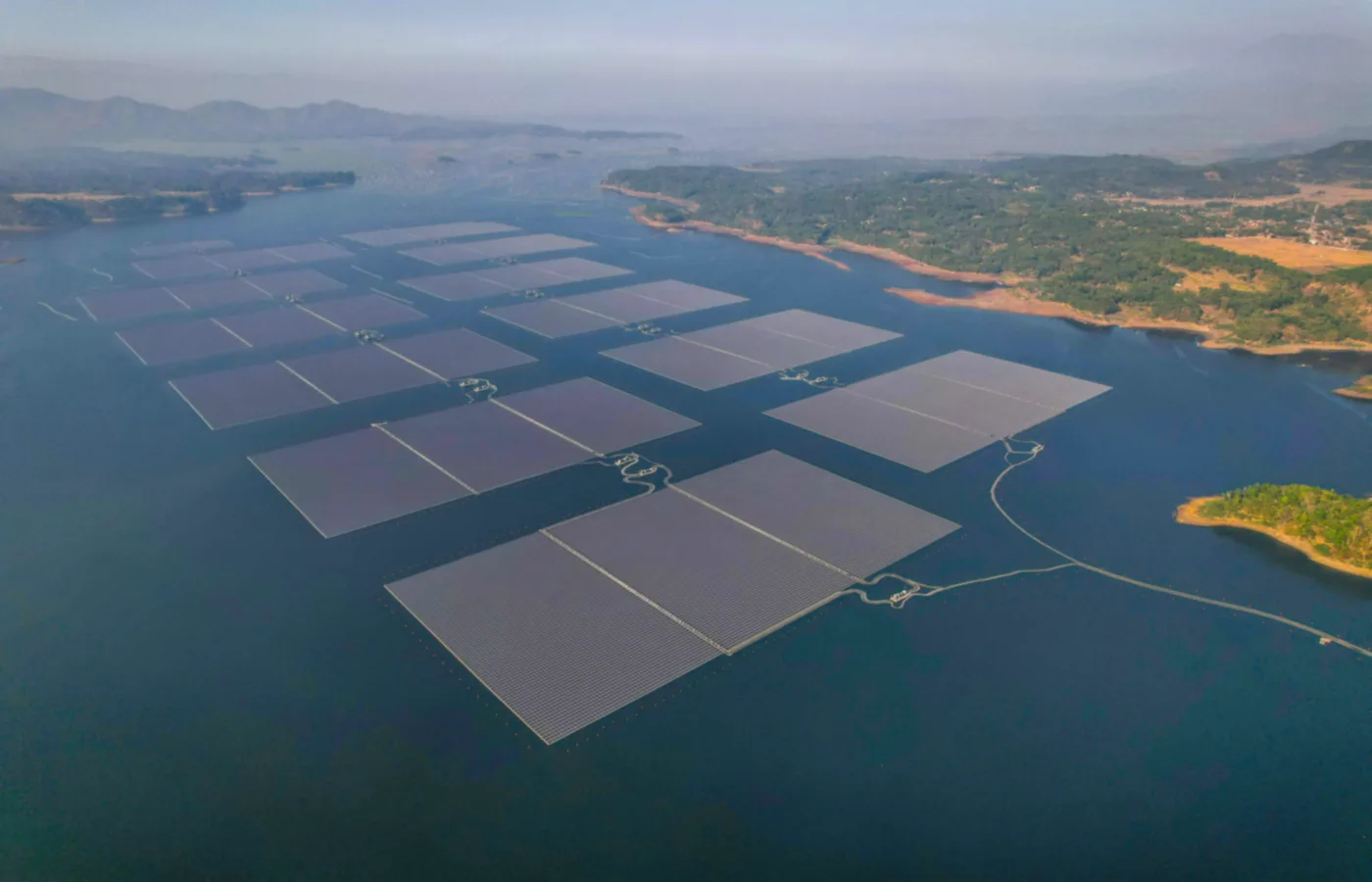
What Is Clean Energy? A Practical Beginner Guide
-
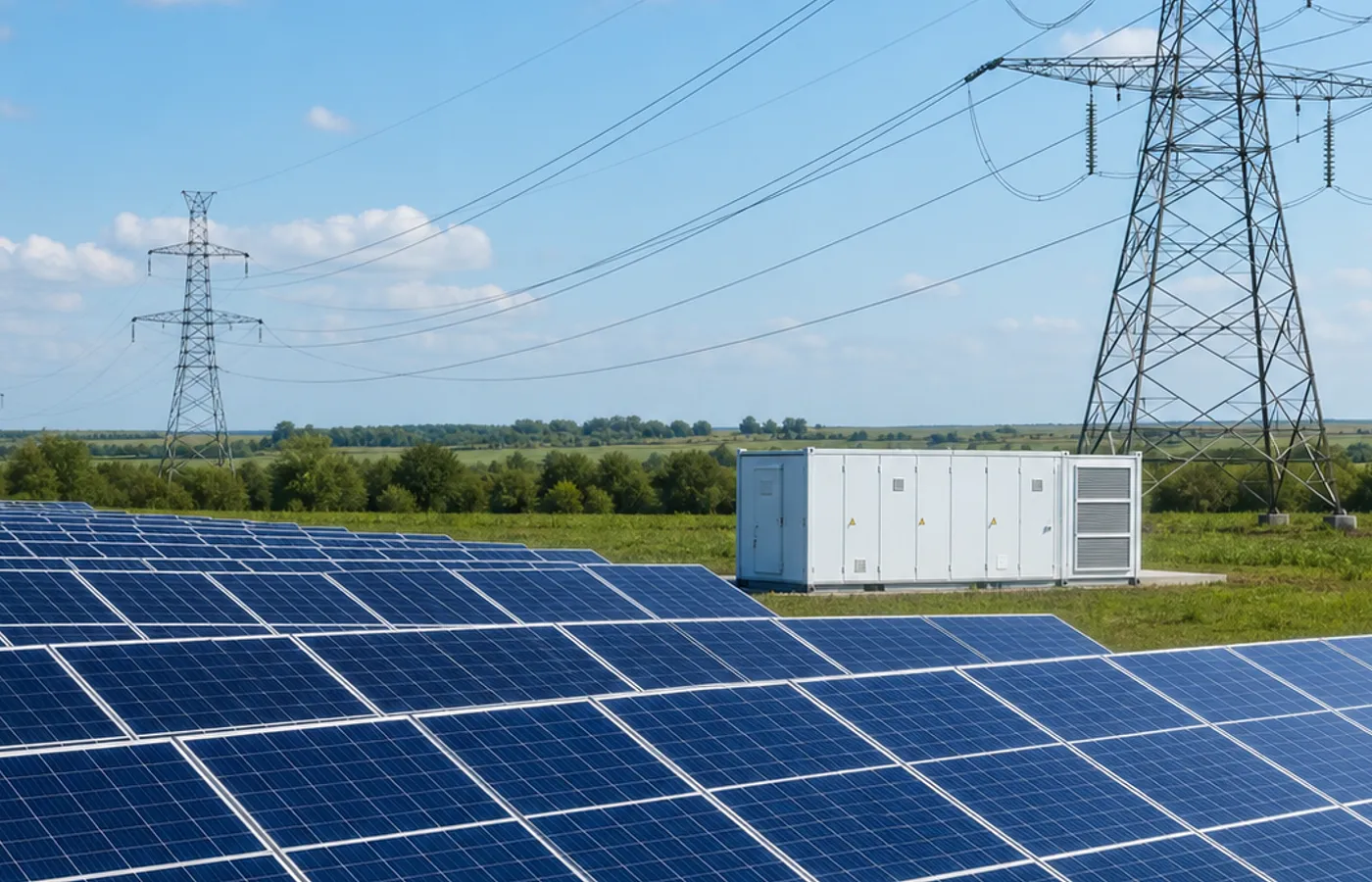
Transition Vocabulary: Essential Market Terms
-
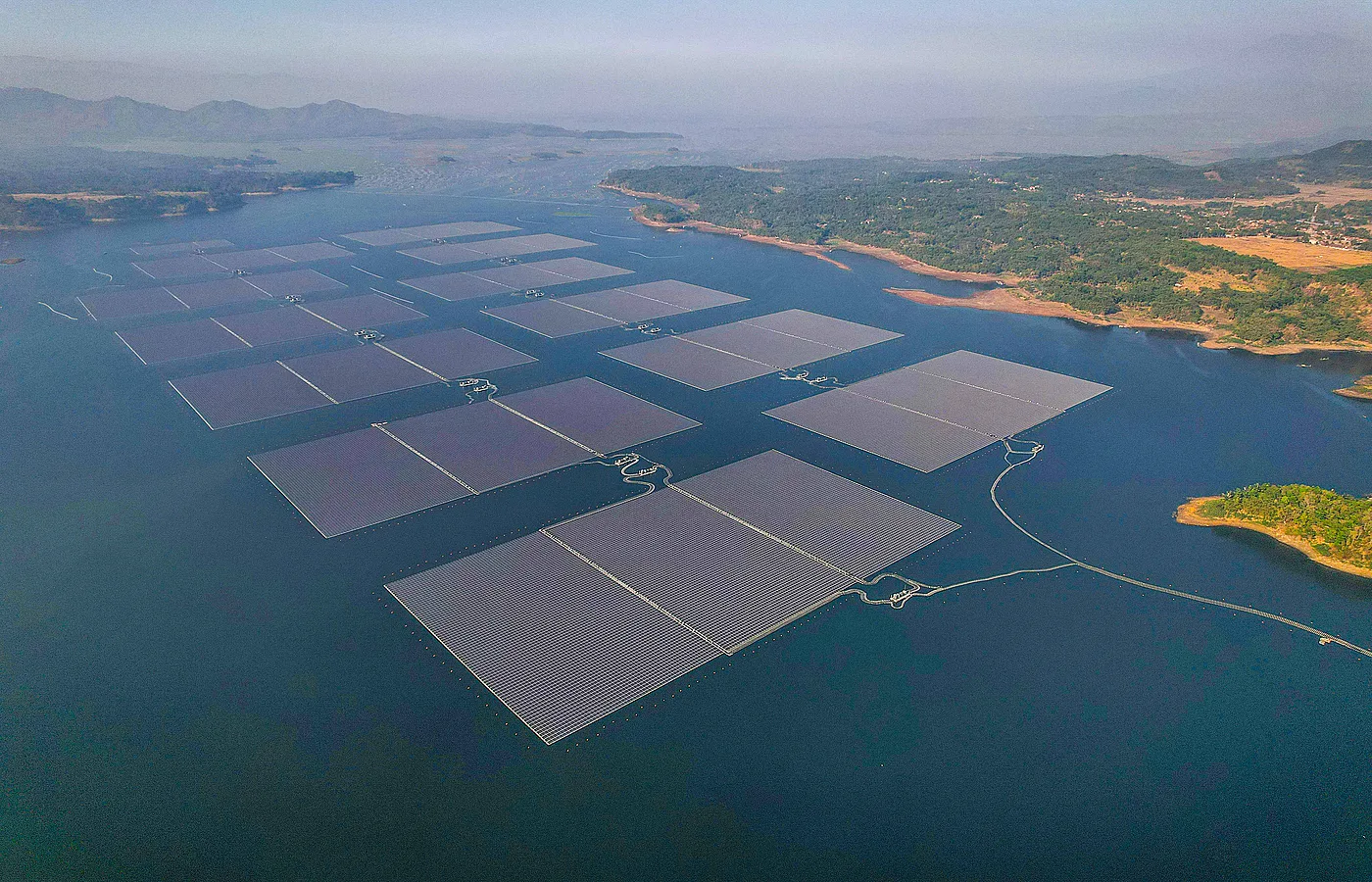
How to Read Renewable Capacity Numbers
-
Why Clean Energy Headlines Can Mislead Readers
-
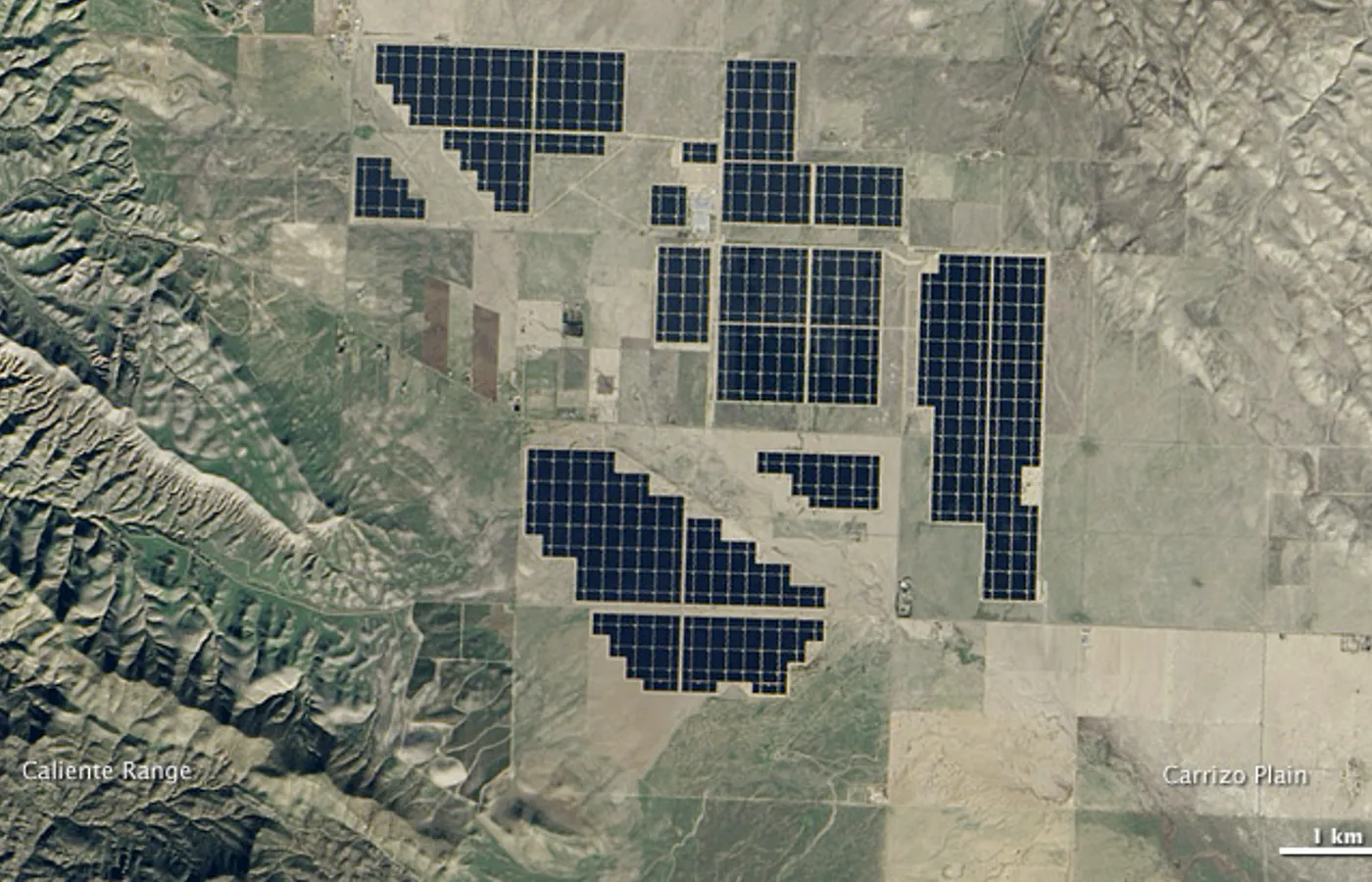
Electrification Differs From More Electricity
-
Why Grid Connection Queues Became a Clean Energy Story
-
Why Household Batteries Are Becoming a Power Market Issue
-
How to Read Clean Energy Mining Claims in Context