Data Center Power Needs Hourly Plans
Why the Signal Matters
DOE highlighted clean energy resources for data-center demand while EPRI estimates data centers could consume up to 9 percent of U.S. electricity. The headline gives readers a useful entry point, but the real question sits in the operating file behind it.
Ark Energy reads this topic through one test: data-center power planning should move from annual megawatts to hourly supply, cooling and backup schedules. That keeps the story close to contracts, equipment, grid limits and customer behavior instead of turning it into a broad transition slogan.
Evidence to Ask For
Start with hourly load profile, cooling peak, backup fuel. These details show whether the plan has moved beyond a public claim. A project with dated documents, named parties and a clear next milestone deserves more weight than a larger project with no paper trail.
Then check grid connection date and clean-power contract. These items often decide whether the asset can operate when the system needs it. Many energy stories sound complete until readers ask who can dispatch the asset, who pays for network work and what happens during a stressed hour.
The best evidence usually appears in permits, queue records, tariff filings, procurement attachments, engineering studies and signed offtake agreements. Those files are less polished than presentations, but they show what the sponsor has committed to do.
For publication, keep a note on the source date and the next check date. Energy news ages fast when weather, queues, fuel prices or subsidy rules move. A useful article tells the reader when the claim should be revisited.
The Risk in the Claim
The first risk is timing. Load can arrive before generation. Generation can arrive before transmission. Storage can connect before market rules pay for the service it provides. A hydrogen plant can receive support before a buyer changes equipment.
The second risk is cost transfer. If a large customer, project sponsor or policy mandate creates the need for upgrades, the public record should show who pays. Without that record, ordinary customers may fund a project they never asked for.
The third risk is a weak stress case. Average-year modeling hides heat waves, winter peaks, wind lulls, fuel constraints and local equipment failures. Readers should ask how the plan performs during the hour that causes the system operator to act.
Market Reading
Investors should look for cash flow that matches the physical service. A battery earns different money from a gas unit, a solar PPA, a wind contract, a geothermal project or a hydrogen offtake deal. The model should show the price, volume, counterparty and downside case.
Utilities should compare each resource with the local constraint. A remote clean-power contract does not fix a weak feeder. A new gas unit does not solve fuel deliverability if the pipeline is full. A wind farm with congestion risk may need a contract clause before it can support a buyer claim.
Corporate buyers should read the hour and location of supply. Annual certificates can make a target look tidy while the actual facility draws power during the dirtiest or tightest hours. A buyer that adds load should explain how its contract reduces pressure on the same grid it uses.
Policy teams should publish milestone data. Ratepayers need to see which projects reached site control, permit approval, finance close, equipment order and commercial operation. A queue full of immature projects does not help a planner decide where to build wires.
Project teams should keep the file small and current. One page with dates, accountable parties, cost responsibility, dispatch rights and the next public filing can tell readers more than a long announcement. When the facts change, update the file before the market fills the gap with guesses.
Readers can cross-check that file against two outside signals. The first signal is price: congestion, basis spreads, ancillary prices, module quotes, gas basis or credit terms often show stress before a sponsor says it aloud. The second signal is behavior: customers delay, utilities add study deposits, suppliers ask for firmer terms and regulators request more public detail when a plan starts to strain.
How Readers Can Use It
Ask whether the buyer can show a 24-hour supply stack for normal, hot and outage conditions. This question turns a broad energy headline into a practical review method.
Readers should also separate near-term reliability from long-term decarbonization. A resource that helps during the next summer peak may not solve a 2030 emissions target. A project with strong climate value may not help a utility through a winter fuel shortage. Good analysis keeps both clocks visible.
The last check is accountability. Name the developer, buyer, utility, regulator, fuel supplier and grid operator when the information is available. If one role stays blank, the story still needs work.
Dates matter more than adjectives.
Ark Energy will keep using this approach as data centers, electrification, renewables, gas, storage and hydrogen compete for the same grids, customers and capital. The useful story is the one that tells readers what changed, who must act next and which document can prove it.
Sources reviewed
Related Reading
-
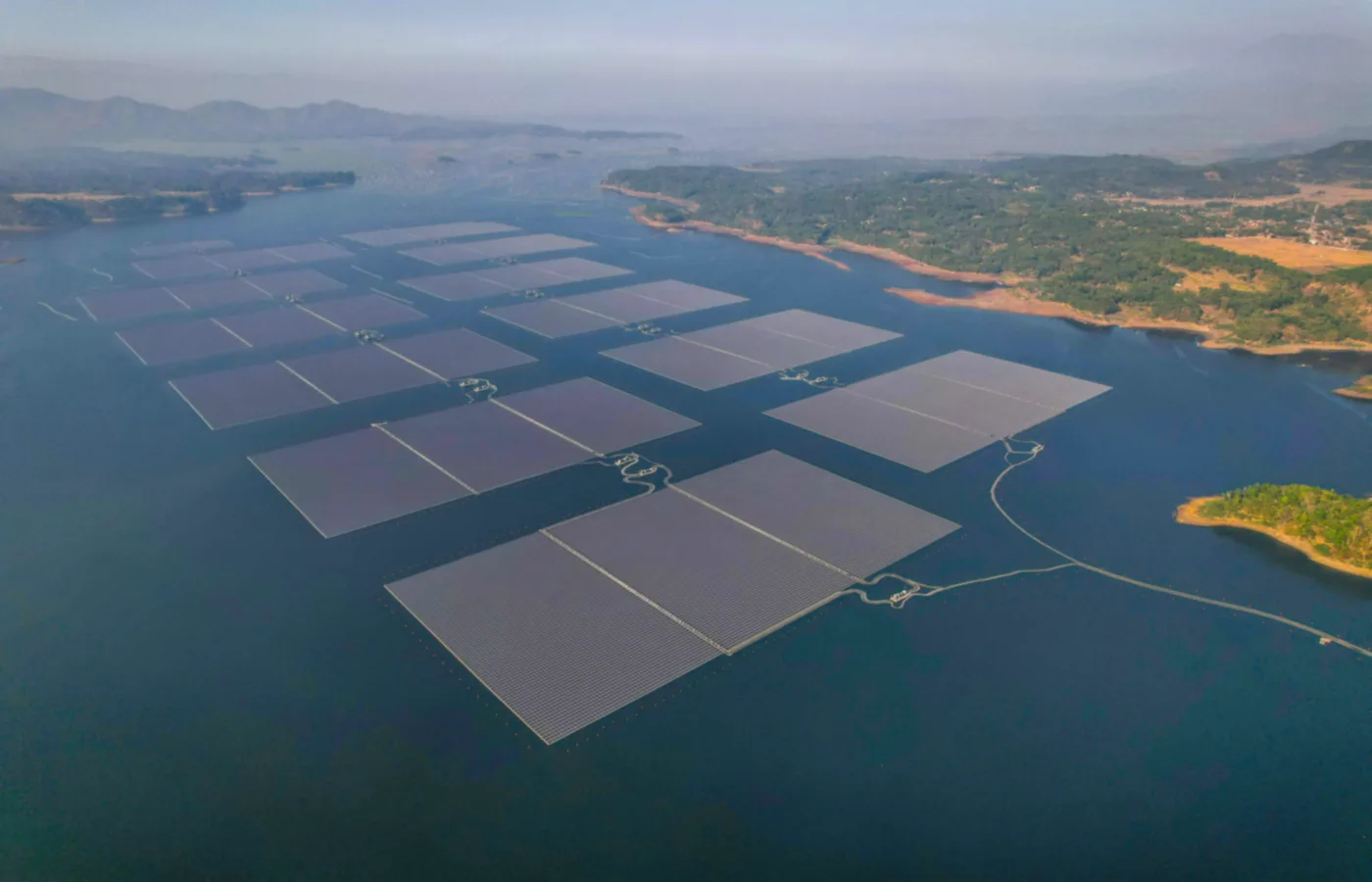
What Is Clean Energy? A Practical Beginner Guide
-
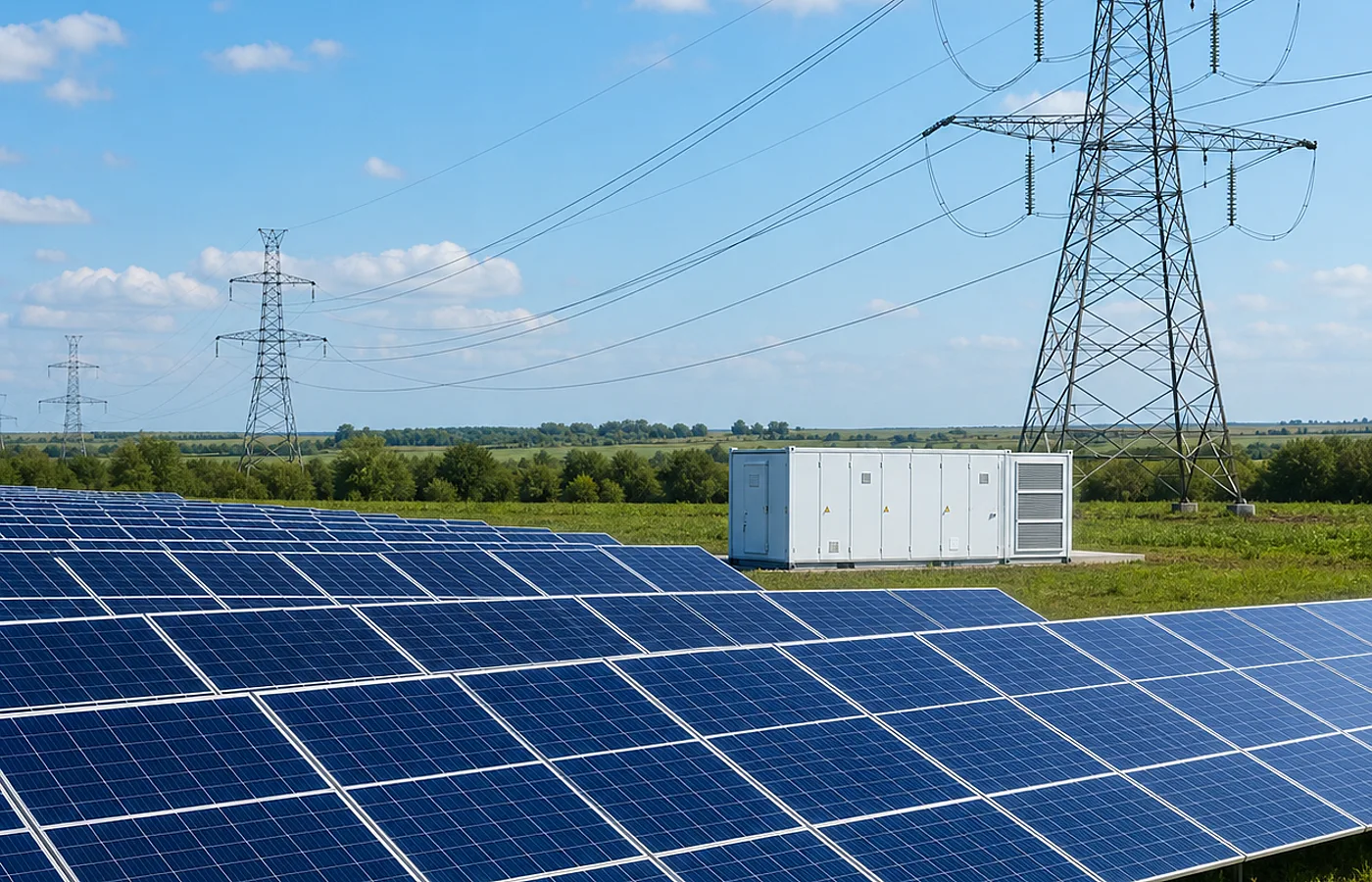
Energy Transition Vocabulary: Terms Every Reader Should Know
-
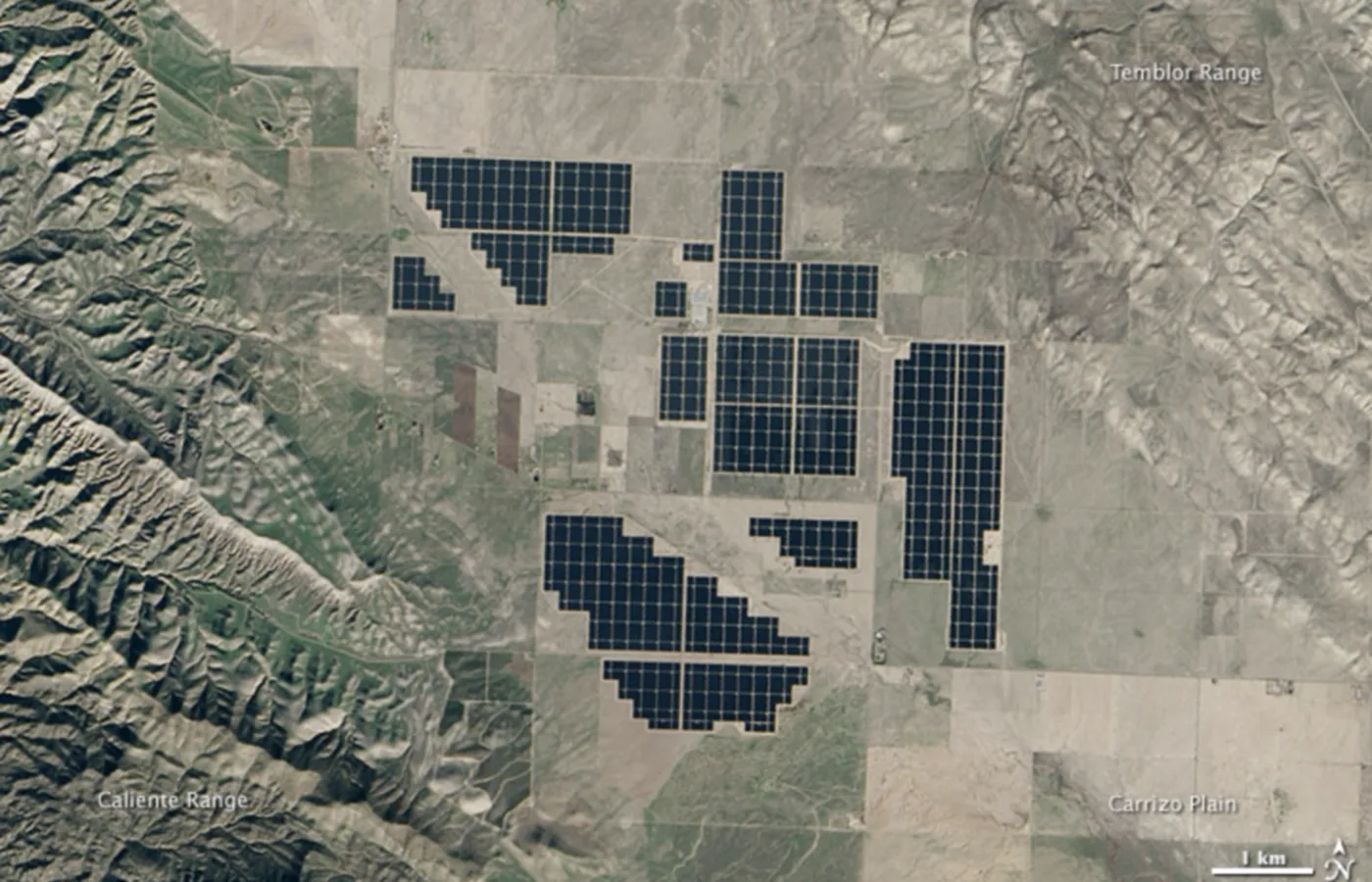
How to Read Renewable Capacity Numbers Without Overstating Progress
-
Why Clean Energy Headlines Can Mislead Readers
-
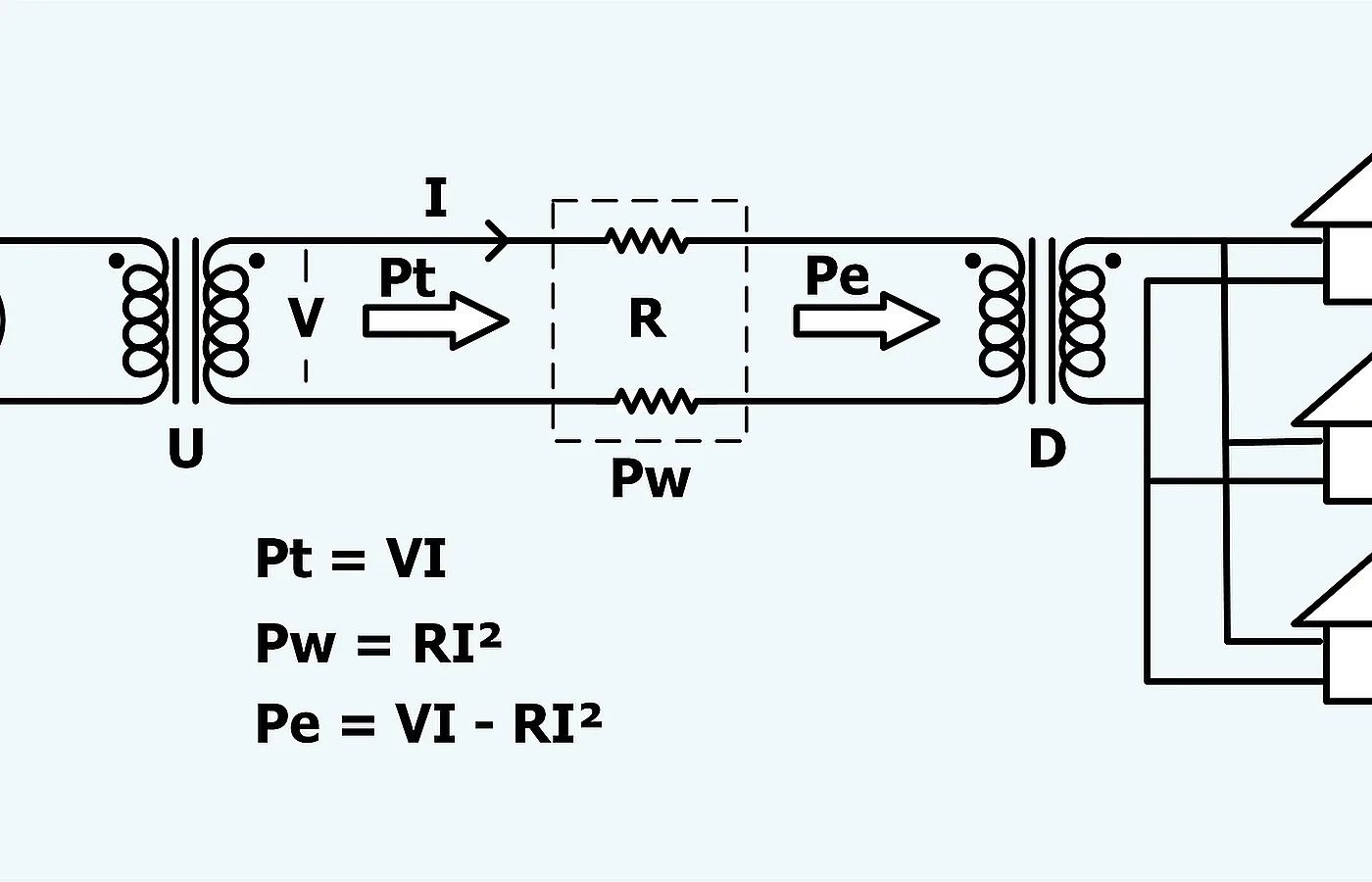
Electrification Is Not the Same as Simply Using More Electricity
-
Why Grid Connection Queues Became a Clean Energy Story
-
Why Household Batteries Are Becoming a Power Market Issue
-
How to Read Clean Energy Mining Claims Without Losing Context