Low-Carbon Fuels Need Infrastructure Before They Can Scale
Low-Carbon Fuels Need Infrastructure Before They Can Scale belongs in the hydrogen and clean-fuels debate because it affects how projects get planned, financed and operated.
Demand Case
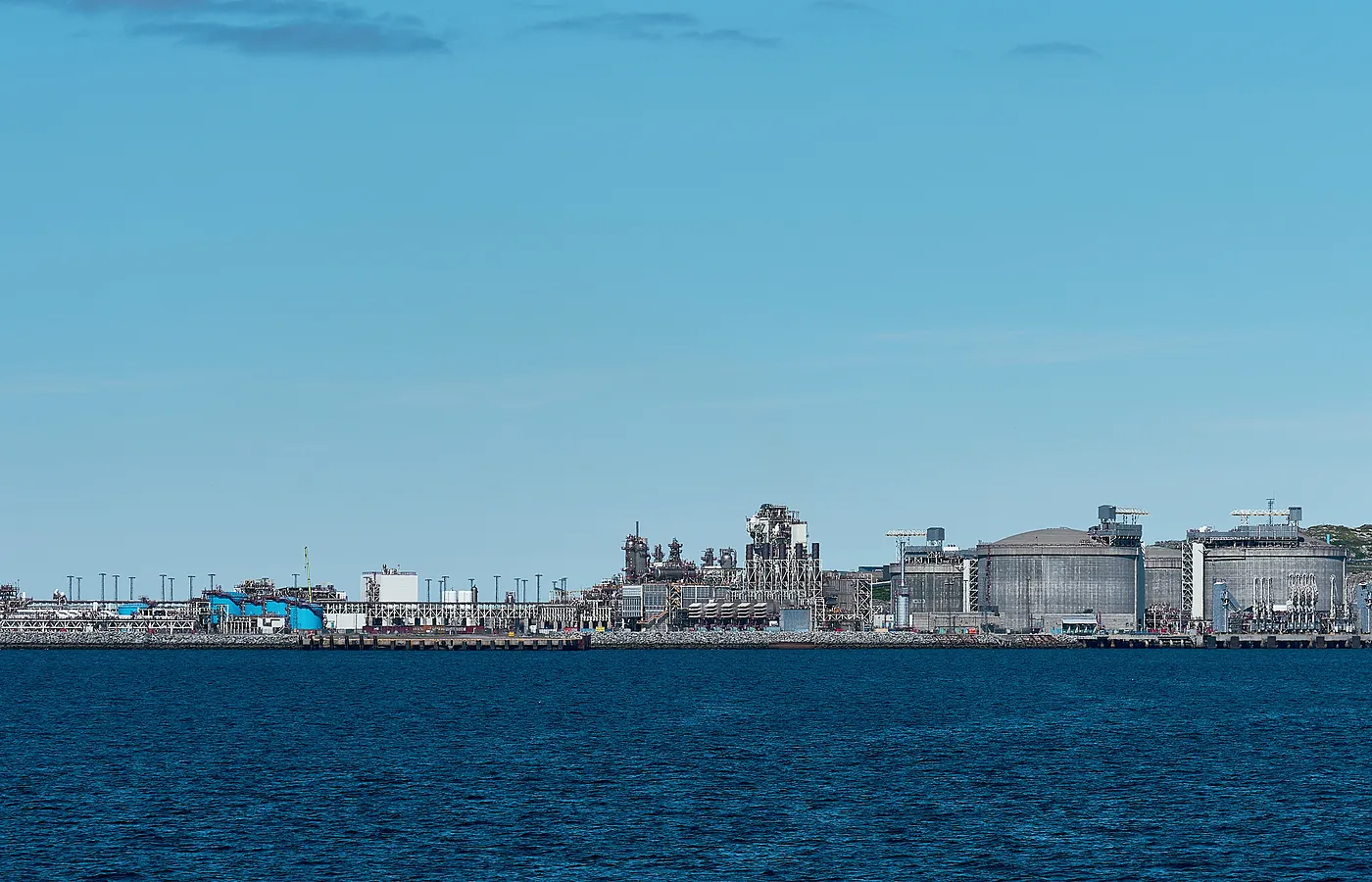
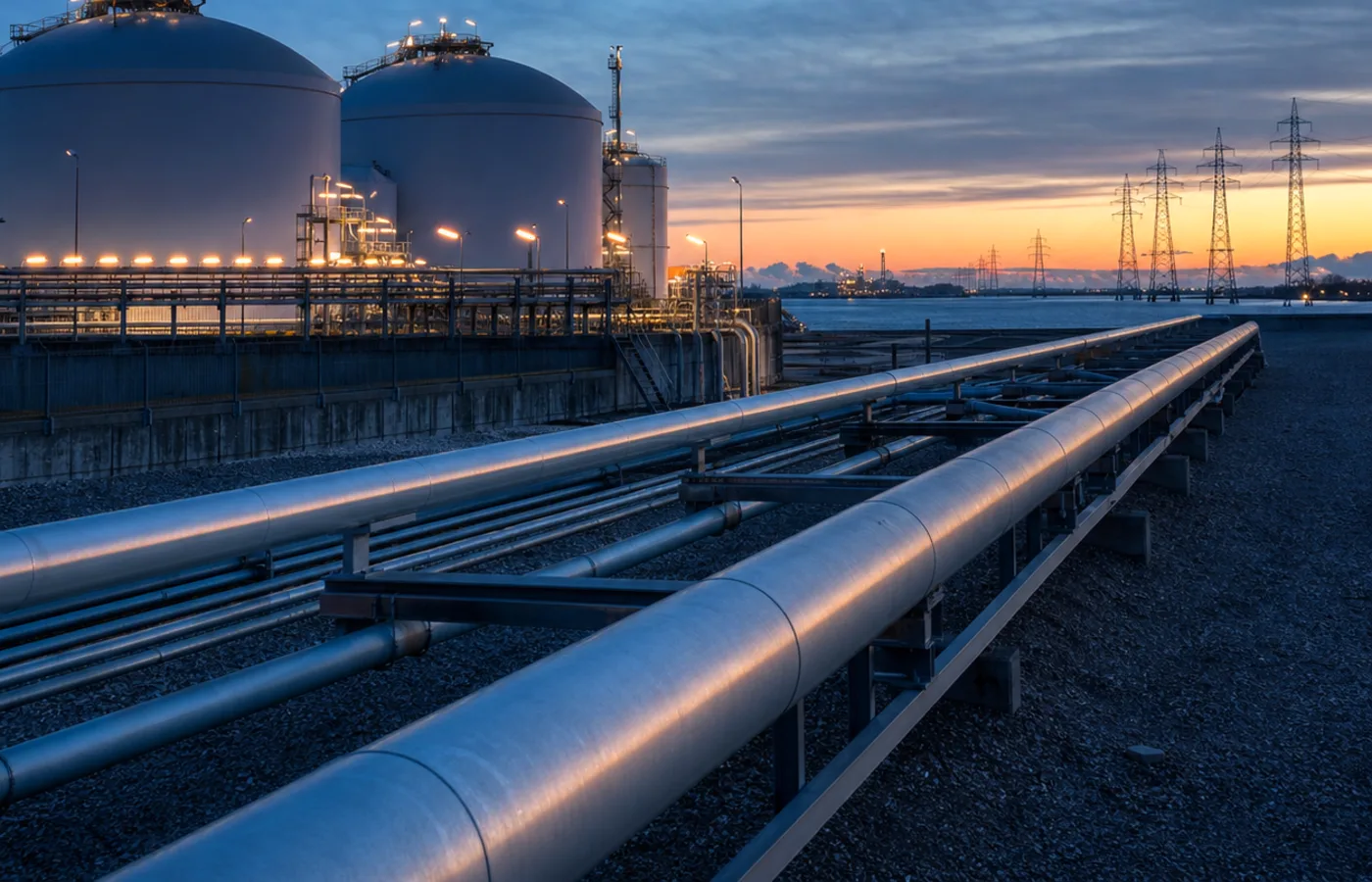
Low-carbon fuels are often discussed as if production alone will create a market. In practice, fuels such as hydrogen and derivatives need infrastructure before they can scale: pipelines, storage, ports, certification systems, safety rules and end-use equipment. The IEA Energy Technology Perspectives 2026 report treats low-emissions fuels and clean technology supply chains as part of a wider industrial system. That is the correct frame. A molecule is only useful if it can move from producer to customer at an acceptable delivered cost. This is why early low-carbon fuel projects often cluster around industrial hubs. Refineries, chemical plants, ports and steel facilities can provide concentrated demand and shared infrastructure, reducing the risk of isolated projects. The policy implication is that subsidies for production may not be enough. Governments and companies also need demand-side contracts, infrastructure planning and standards that make buyers confident the fuel will count toward emissions goals.
Start with whether production assets require storage, transport, certification, safety rules and end-use equipment. Public discussion often skips the operating details.
Infrastructure Gap
Next, test system fit: shipping fuels, aviation fuels and industrial feedstocks each need different logistics. These constraints are not secondary details.
Commercially, projects should start with customers who value the fuel enough to sign durable contracts.
Signals to Watch
Accountability for the decision starts with the organization that controls electricity supply. The same record should identify who pays when electrolyzer utilization costs more or arrives late. Without those names, readers cannot tell whether the plan manages risk or transfers it out of view.
The record for the claim should name water requirements, delivered fuel cost, and the date attached to each. Readers can use "IEA, Global Hydrogen Review 2025" as a baseline and then compare it with the next filing or operating report. That sequence keeps the claim about the claim tied to evidence that another person can retrieve.
For readers, the most practical test is this: fuel transition is an infrastructure problem as much as a chemistry problem.
Low-Carbon Fuels Need Infrastructure Before They Can Scale needs a basic test: evidence, timing and a clear route from plan to operation.
Related context
The background to infrastructure before they can scale for low-carbon fuels connects with Hydrogen Clusters Need Real Buyers Before New Supply. For a second infrastructure before they can scale for low-carbon fuels comparison, read Hydrogen Pipelines Need Demand Density Before Expansion. The policy or market side of infrastructure before they can scale for low-carbon fuels appears in Synthetic Fuels Need More Than Cheap Hydrogen.
Next record to check
The next review of infrastructure before they can scale for low-carbon fuels needs a date for transport and storage and a separate date for electrolyzer utilization. Use IEA, Energy Technology Perspectives 2026 to preserve the original reference point, then attach the later public record. This makes any revision traceable to a document rather than a change in editorial tone.
A follow-up on infrastructure before they can scale for low-carbon fuels should compare delivered fuel cost with transport and storage. IEA, Global Hydrogen Review 2025 supplies the dated baseline, while the next filing or measured result should show what changed. The update should state whether the new evidence alters cost, delivery or the operating conclusion.
A follow-up on infrastructure before they can scale for low-carbon fuels should compare delivered fuel cost with transport and storage. IRENA, Green Hydrogen supplies the dated baseline, while the next filing or measured result should show what changed. The update should state whether the new evidence alters cost, delivery or the operating conclusion.
A follow-up on infrastructure before they can scale for low-carbon fuels should compare electrolyzer utilization with transport and storage. IEA, Energy Technology Perspectives 2026 supplies the dated baseline, while the next filing or measured result should show what changed. The update should state whether the new evidence alters cost, delivery or the operating conclusion.
For infrastructure before they can scale for low-carbon fuels, keep one compact file containing transport and storage, certification rules and the next responsible party. The source IEA, Global Hydrogen Review 2025 anchors the current reading. A later update should explain which assumption moved and why that movement changes the practical decision.
A follow-up on infrastructure before they can scale for low-carbon fuels should compare water requirements with buyer commitments. IRENA, Green Hydrogen supplies the dated baseline, while the next filing or measured result should show what changed. The update should state whether the new evidence alters cost, delivery or the operating conclusion.
A follow-up on infrastructure before they can scale for low-carbon fuels should compare certification rules with water requirements. IEA, Energy Technology Perspectives 2026 supplies the dated baseline, while the next filing or measured result should show what changed. The update should state whether the new evidence alters cost, delivery or the operating conclusion.
Sources reviewed
Related Reading
-

Green Hydrogen Explained: Promise, Cost, and Real Use
-
Hydrogen Demand Still Needs Buyer Proof
-
Low-Carbon Fuels Need Infrastructure Before They Can Scale
-
Hydrogen Economics Depend on the Quality of Clean Power
-
Hydrogen Clusters Need Real Buyers Before New Supply
-
Electrolyzer Utilization Is the Hidden Hydrogen Metric
-

Hydrogen Pipelines Need Demand Density Before Expansion
-
Ammonia Is a Hydrogen Carrier With Its Own Risks