Rooftop Solar Needs Feeder Maps
Why It Belongs on the Desk
Distributed solar keeps changing what utilities see in measured demand and local circuit flows. That signal matters because it changes the work readers should do before they trust a project, policy or market forecast.
Rooftop solar programs need feeder maps because local hosting limits decide the next connection. The strongest reading starts with the asset and the customer. A broad claim about clean energy, gas, storage, wind, solar or hydrogen becomes useful when it names the site, the counterparty and the next date when something must happen.
This article treats the headline as a file to inspect. That file should include enough detail for a reader to compare the promise with the physical system that must carry it.
The Operating File
Start with feeder capacity, voltage band, smart inverter setting. These details usually tell you whether the project has left the talking stage. They also show whether the risk belongs to a developer, a utility, a buyer, a regulator or a customer group that may not be in the press release.
Then check export limit and transformer loading. If those points are missing, the story still needs reporting. A project can use the right language and still lack the documents that make it dependable.
Readers should keep dates next to each piece of evidence. Energy markets move through filings, studies, equipment orders and construction windows. A statement from last month may already be stale if a grid study, tariff filing or supplier slot has changed.
A good desk note should also say what remains unknown. If the file lacks a permit number, buyer name, fuel path, meter rule or maintenance plan, leave that gap visible. Hiding the gap makes the article sound neater than the project itself.
For sourcing, prefer documents that create obligations. A conference quote can explain intent, but a tariff, contract exhibit, interconnection study or safety approval shows what a party has agreed to do. That difference matters when readers compare two projects with similar language.
Place one alternative beside the claim. The alternative may be a smaller connection, a different node, a demand-response contract, a delayed start date or a simpler procurement route. A project looks clearer when readers can see what the sponsor chose against.
That comparison keeps the article useful after the first news cycle passes.
What Could Break
The first risk is timing. Load can arrive before supply. Equipment can arrive before permits. A project can win a customer before it has a grid path. Timing gaps create the cost surprises that later look like policy failures.
The second risk is cost transfer. If one project causes a network upgrade, a fuel commitment or a reliability service, readers should ask who pays. A clean-energy story loses credibility when ordinary customers carry costs created by a private buyer or a weakly screened project.
The third risk is operating proof. A contract, certificate or forecast does not operate a grid. Operators need metering, dispatch rights, maintenance plans, safety procedures and settlement rules. Without those details, the headline remains an intention.
There is also a reader-risk problem. Energy stories often compress several decisions into one phrase. A data center deal may include generation, transmission, water, tax and emissions questions. A hydrogen project may include power procurement, ports, safety and industrial conversion. Splitting those decisions gives the reader a fairer map of the work still ahead.
The simplest way to test a claim is to ask what would make it fail. If the answer is a missing transformer, a delayed vessel, a weak buyer, a thin warranty reserve or an unclear tariff, the story should say so. That does not make the project bad. It makes the risk legible.
Reader Checklist
Treat a rooftop incentive as incomplete until the utility explains where the circuit can host more exports. That question is simple enough to use across technologies and specific enough to catch weak claims.
A useful reading habit is to separate three clocks: the next season, the next financing date and the long-term transition target. A resource may help one clock and fail another. Solar can arrive fast but need evening support. Gas can provide capacity but raise emissions and fuel-risk questions. Hydrogen can serve industry but only after buyers convert equipment.
The practical conclusion should stay modest. Readers do not need a slogan. They need to know what changed, which document proves it, what can still fail and who has to act next.
Editors should revisit the claim when the next public date arrives. That may be a commission vote, a queue study, a factory shipment, an offtake deadline or a seasonal operating result. Follow-up discipline is what separates a useful archive from a stream of announcements.
Ark Energy will use that standard for this topic: keep the claim close to evidence, give timing its own line, and avoid treating capacity, policy support or contract language as proof by itself.
Public records checked
Related Reading
-
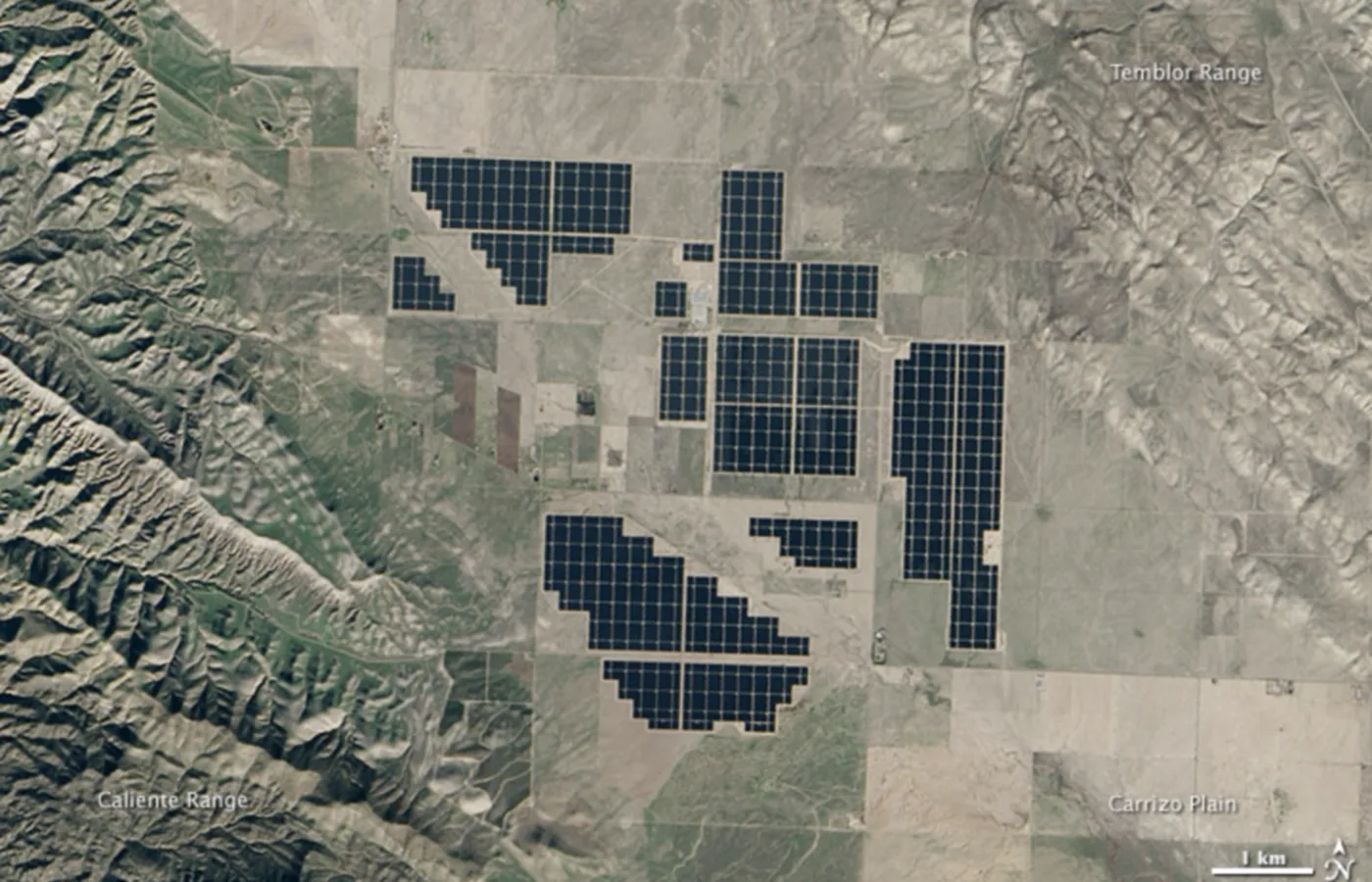
How Solar Power Works: From Sunlight to Grid Electricity
-
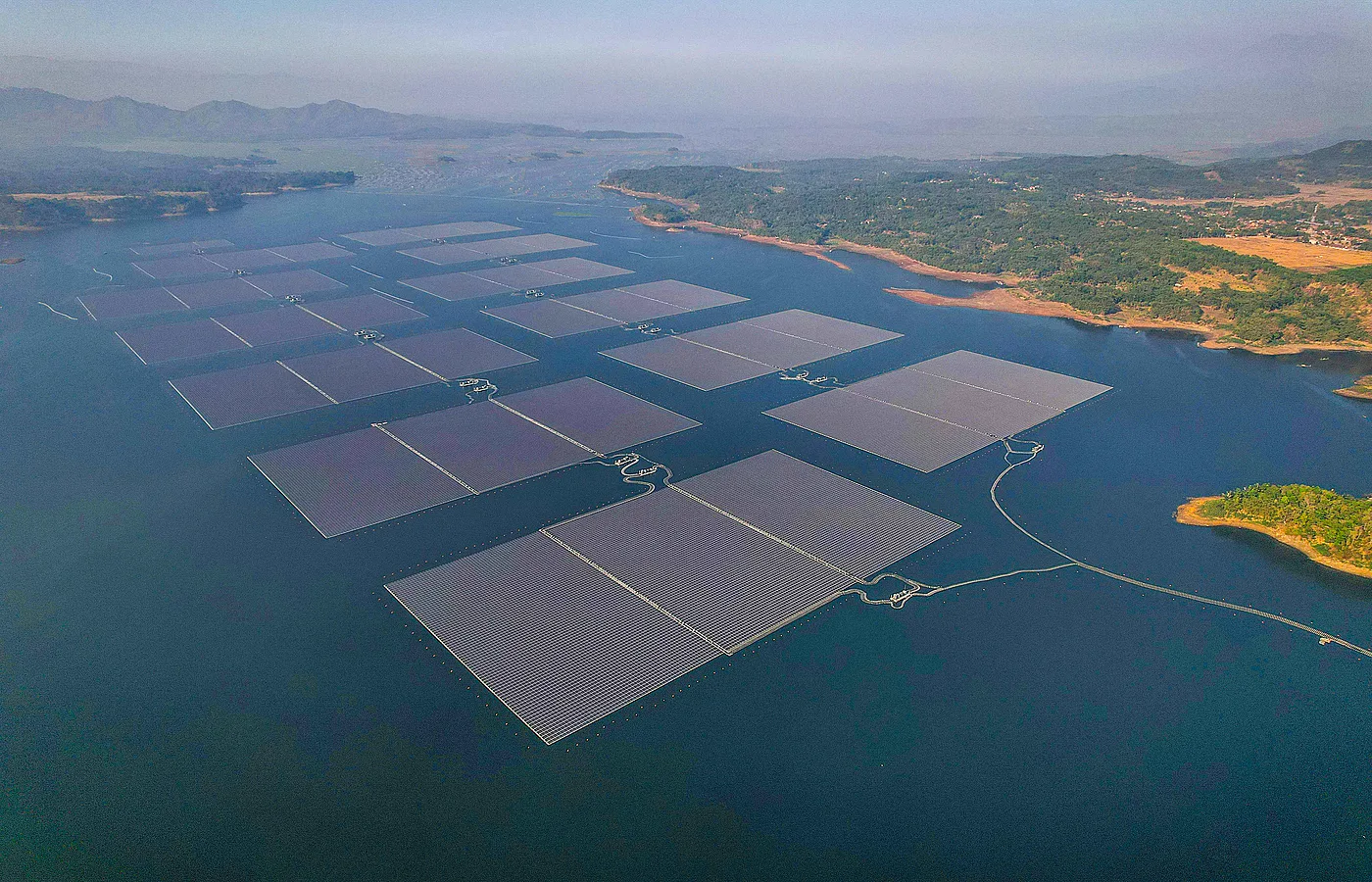
Solar Is Still Carrying the Renew. Buildout, but
-
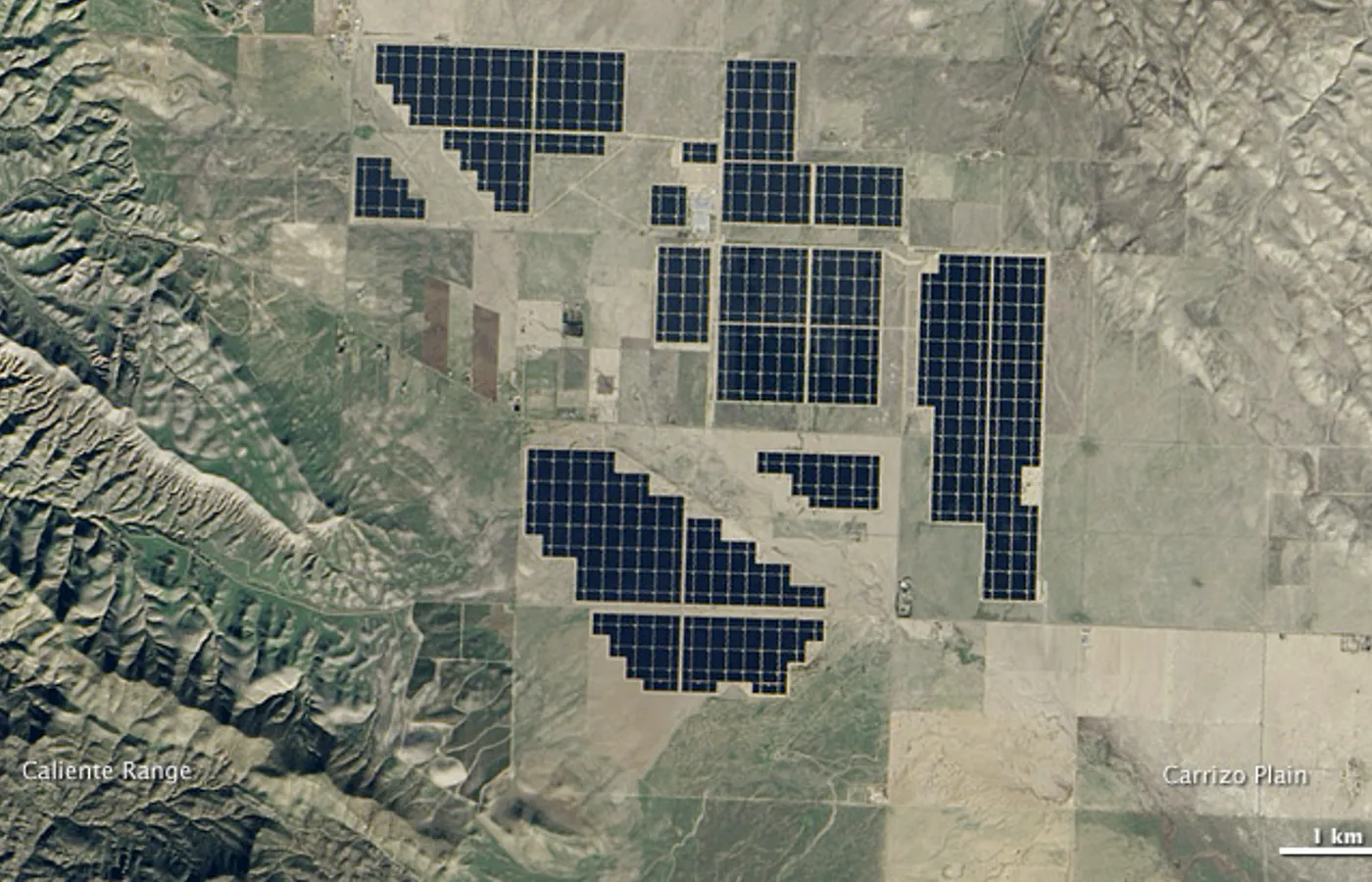
Floating Solar Shows Why Site-Specific Renewables Matter
-
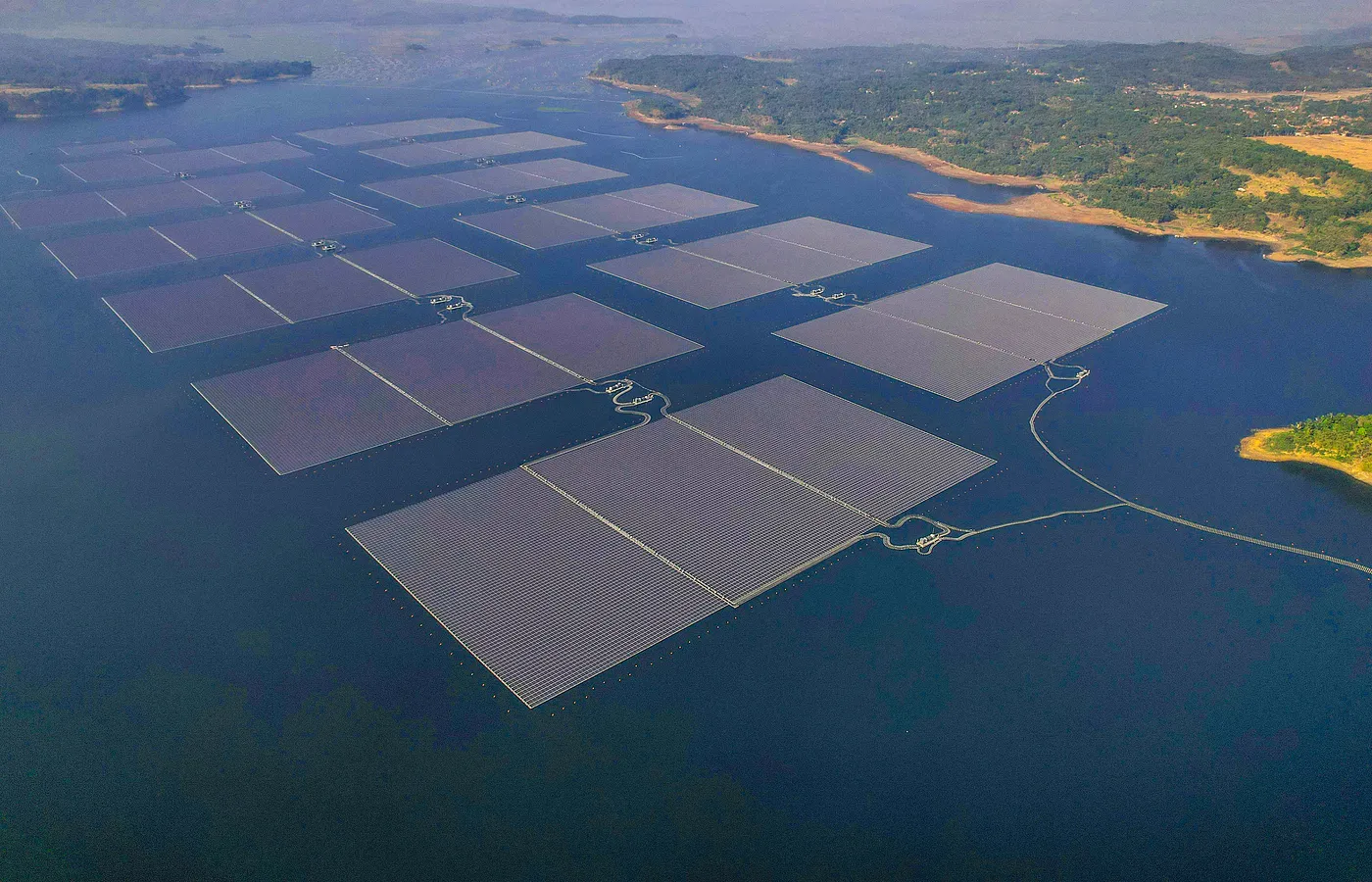
Solar Growth Is Turning Into a System Integration Test
-
Corporate Solar Procurement Needs Hourly Matching
-
Space-Based Solar for Data Centers Is Ambitious but
-
Solar Curtailment Is a Sign of Success and a Warning
-
Utility-Scale Solar Needs a Better Land-Use Conversation