Solar Growth Is Turning Into a System Integration Test
Solar Growth Is Turning Into a System Integration Test gives readers a practical way to judge a solar deployment pressure point.
Project Economics
Solar is still the simplest clean-energy growth story: lower costs, shorter build cycles and broad political appeal have helped it become the main driver of renewable capacity additions. IEA projections show solar PV accounting for the large majority of renewable capacity growth through 2030, while IRENA notes deep cost declines over the 2010-2025 period. The harder story starts after panels are installed. High solar penetration creates midday supply peaks, steeper evening ramps and more value for flexibility. Markets that once asked how much solar they could build are now asking how much solar they can use without wasting output or depressing prices at the wrong hours. That is why solar development is increasingly paired with batteries, grid upgrades, dynamic tariffs and better interconnection planning. The strongest project pipelines will likely be the ones that can prove dispatch value, more than low headline generation cost. Solar remains central to the energy transition, but its competitive advantage is becoming more operational. Developers, utilities and regulators need to treat solar as part of a flexible power system rather than a standalone generation asset.
Start with whether the industry must manage midday peaks, evening ramps, curtailment and connection queues. Public discussion often skips the operating details.
Grid Integration
Next, test system fit: project value increasingly depends on location, storage pairing and market design. These constraints are not secondary details.
Commercially, utilities need forecasting and flexible demand to absorb more solar output.
Signals to Watch
For the decision, governance belongs in the operating case. Contracts and permits should show who approves land and permitting, who verifies power-purchase terms, and where a customer can challenge an error. Those details matter after the launch coverage has faded.
A useful evidence file for the claim starts with interconnection capacity. Add curtailment exposure, the publication date of "IEA Electricity 2026 - Supply", and the next scheduled disclosure. Those items let a reader test the article's judgment without relying on a repeated market slogan.
For readers, the most practical test is this: solar remains central, but the winning projects will solve grid value, also generation cost.
Solar Growth Is Turning Into a System Integration Test needs a basic test: evidence, timing and a clear route from plan to operation.
Related context
The background to solar growth turning system integration test connects with Solar Growth Is Testing Grid Capacity. For a second solar growth turning system integration test comparison, read Solar Growth Needs More Local Workforce Planning. The policy or market side of solar growth turning system integration test appears in Solar Growth Needs Transformer Planning.
Next record to check
For solar growth turning system integration test, keep one compact file containing power-purchase terms, module procurement and the next responsible party. The source IEA Renewables - Energy System anchors the current reading. A later update should explain which assumption moved and why that movement changes the practical decision.
For solar growth turning system integration test, keep one compact file containing module procurement, power-purchase terms and the next responsible party. The source IEA Electricity 2026 - Supply anchors the current reading. A later update should explain which assumption moved and why that movement changes the practical decision.
A follow-up on solar growth turning system integration test should compare module procurement with inverter requirements. IRENA Transitioning Away from Fossil Fuels supplies the dated baseline, while the next filing or measured result should show what changed. The update should state whether the new evidence alters cost, delivery or the operating conclusion.
For solar growth turning system integration test, keep one compact file containing interconnection capacity, hourly output and the next responsible party. The source IEA Renewables - Energy System anchors the current reading. A later update should explain which assumption moved and why that movement changes the practical decision.
For solar growth turning system integration test, keep one compact file containing land and permitting, curtailment exposure and the next responsible party. The source IEA Electricity 2026 - Supply anchors the current reading. A later update should explain which assumption moved and why that movement changes the practical decision.
The next review of solar growth turning system integration test needs a date for curtailment exposure and a separate date for hourly output. Use IRENA Transitioning Away from Fossil Fuels to preserve the original reference point, then attach the later public record. This makes any revision traceable to a document rather than a change in editorial tone.
For solar growth turning system integration test, keep one compact file containing power-purchase terms, land and permitting and the next responsible party. The source IEA Renewables - Energy System anchors the current reading. A later update should explain which assumption moved and why that movement changes the practical decision.
Sources reviewed
Related Reading
-
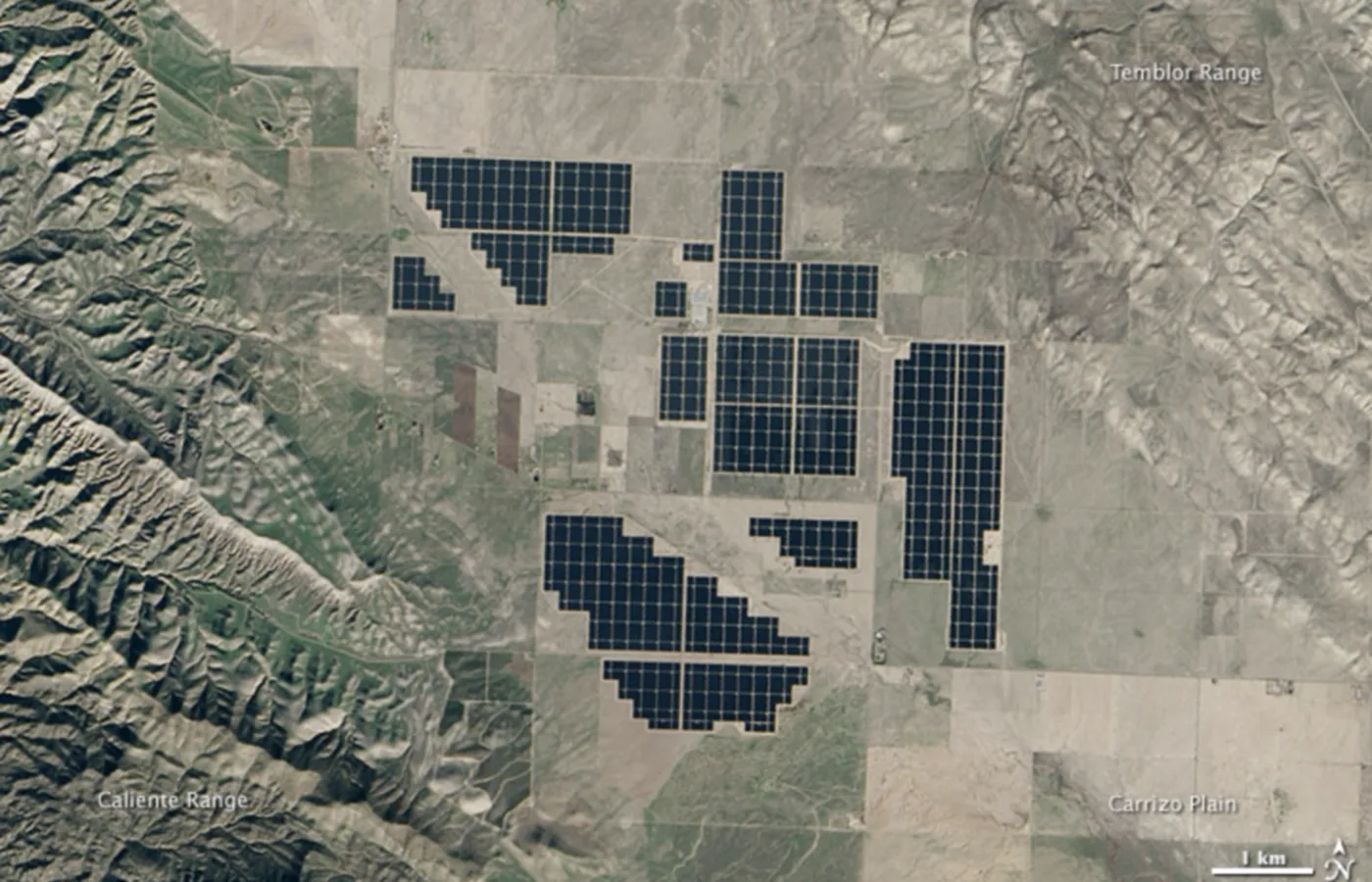
How Solar Power Works: From Sunlight to Grid Electricity
-
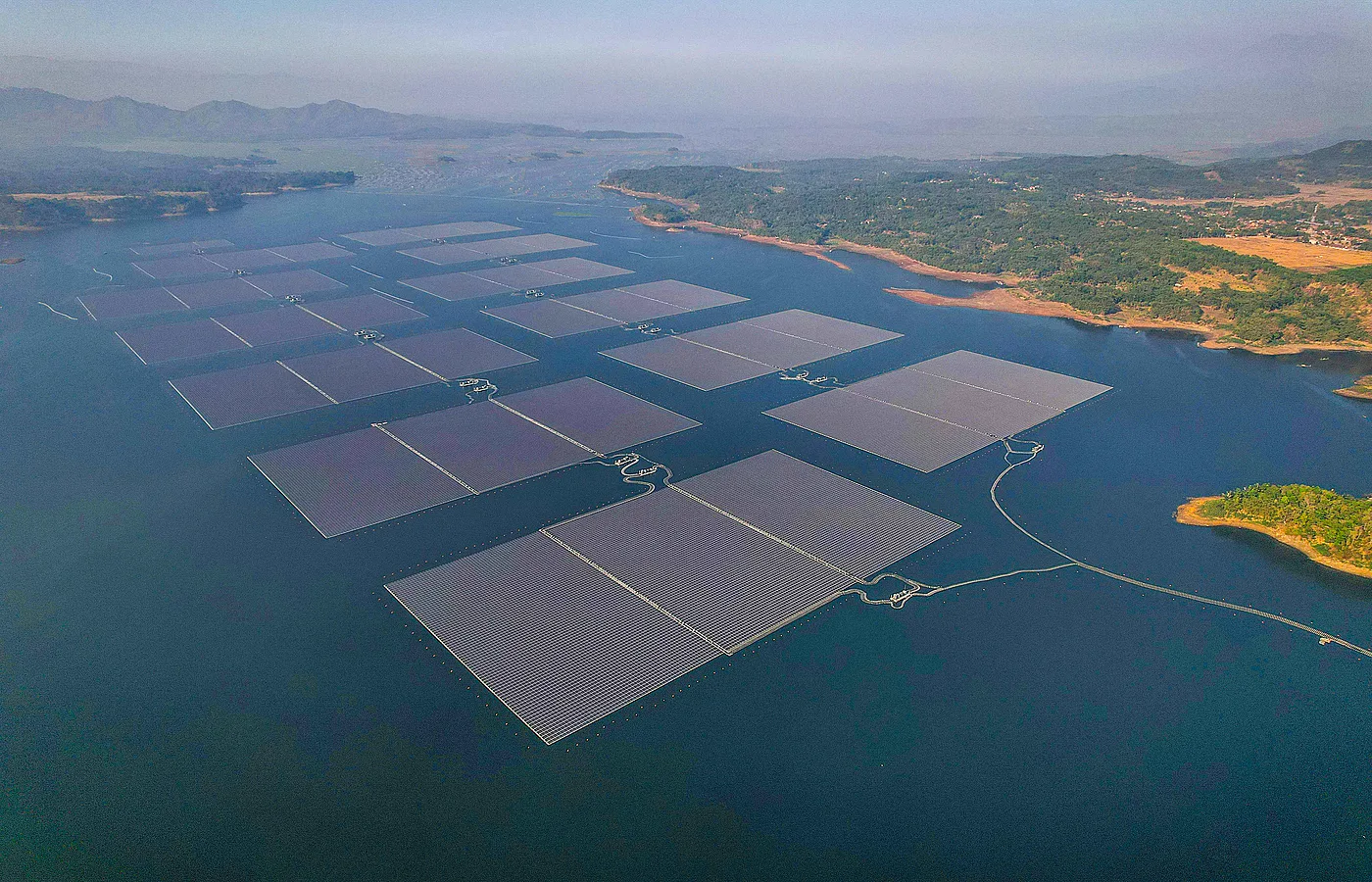
Solar Growth Is Testing Grid Capacity
-
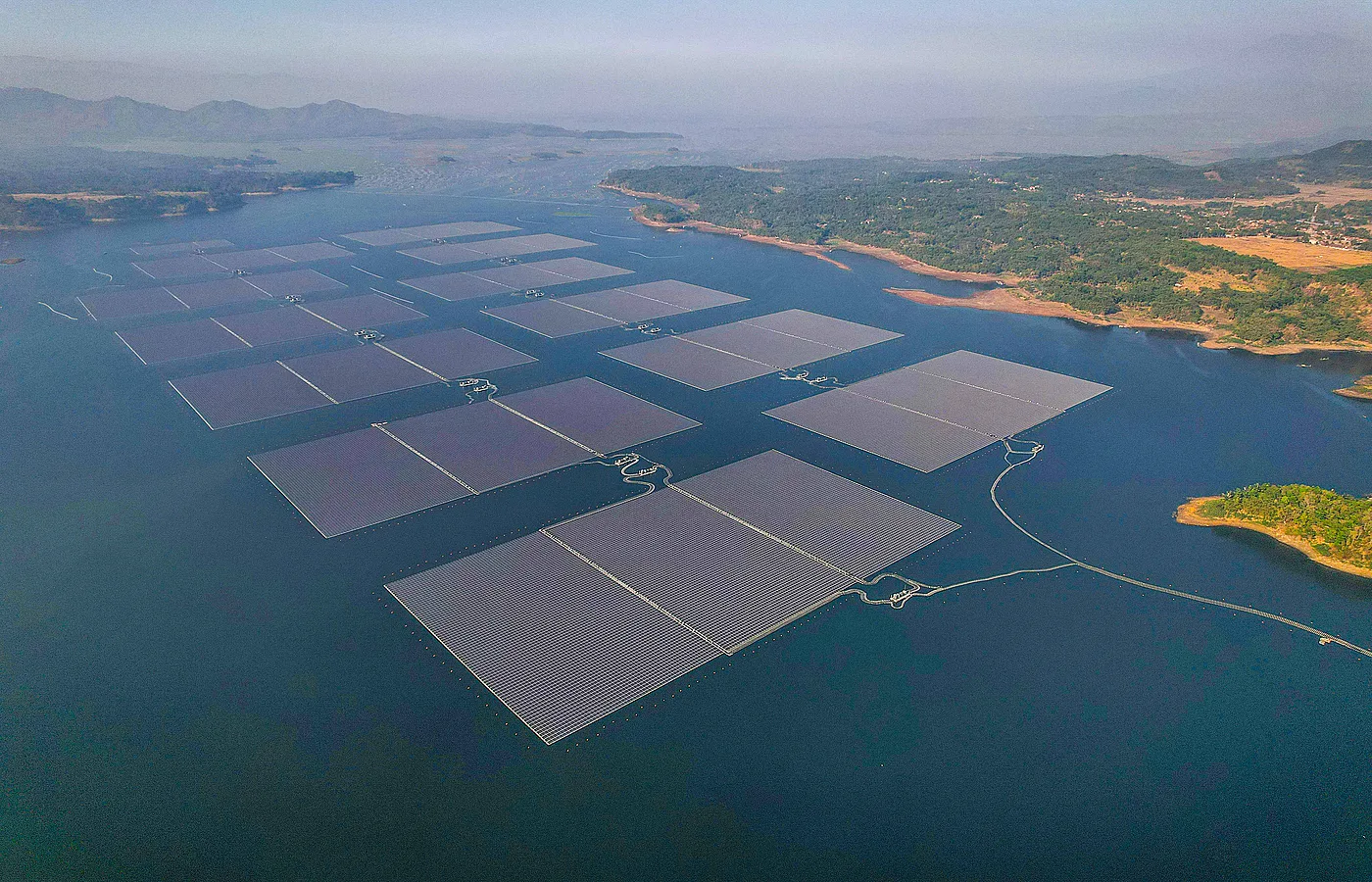
Floating Solar Shows Why Site-Specific Renewables Matter
-
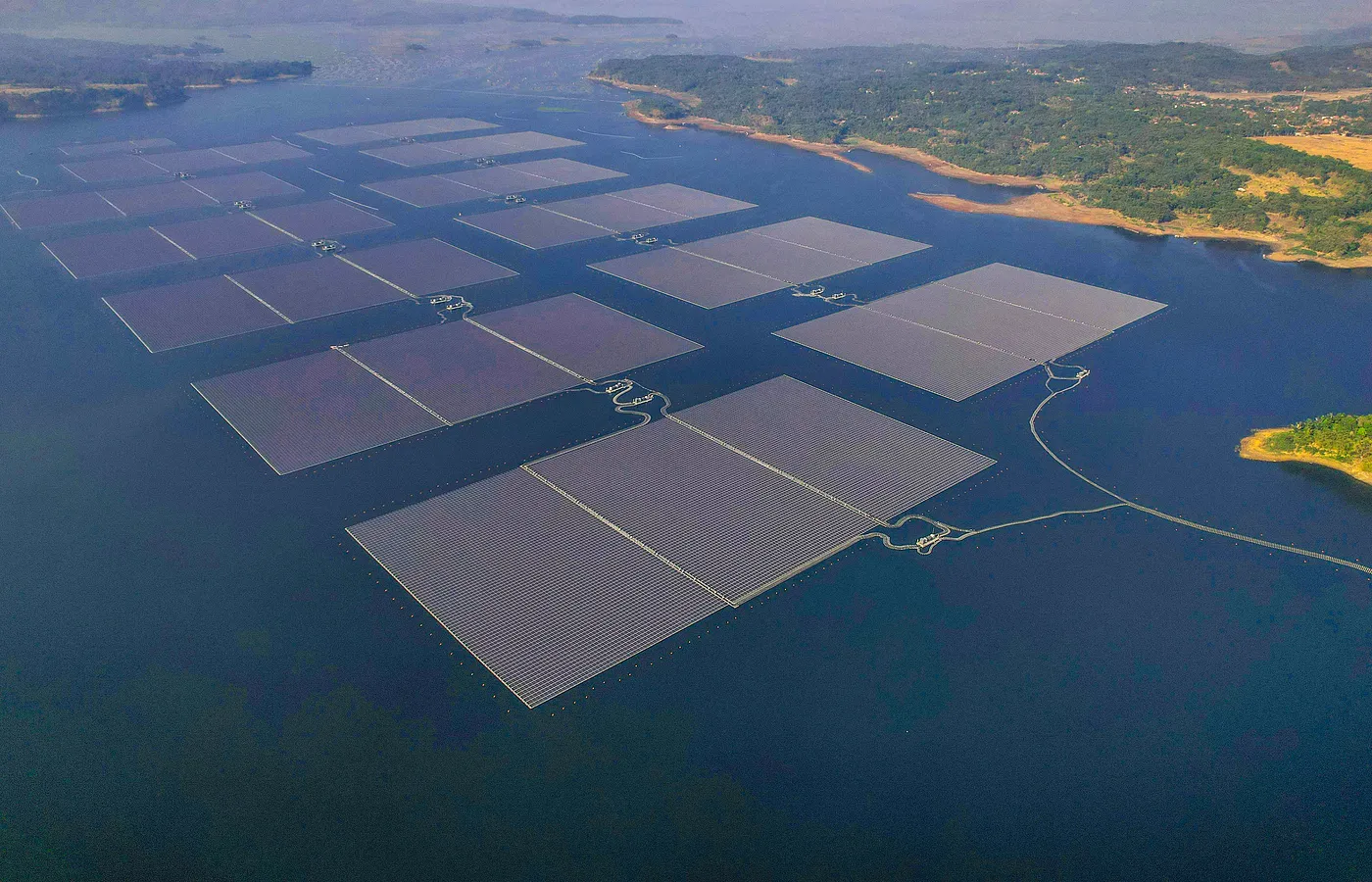
Solar Growth Is Turning Into a System Integration Test
-
Corporate Solar Procurement Needs Hourly Matching
-
Space-Based Solar for Data Centers Is Ambitious but Unproven
-
Solar Curtailment Is a Sign of Success and a Warning
-
Utility-Scale Solar Needs a Better Land-Use Conversation