Floating Solar Shows Why Site-Specific Renewables Matter
Floating Solar Shows Why Site-Specific Renewables Matter belongs in the solar deployment debate because it affects how projects get planned, financed and operated.
Project Economics
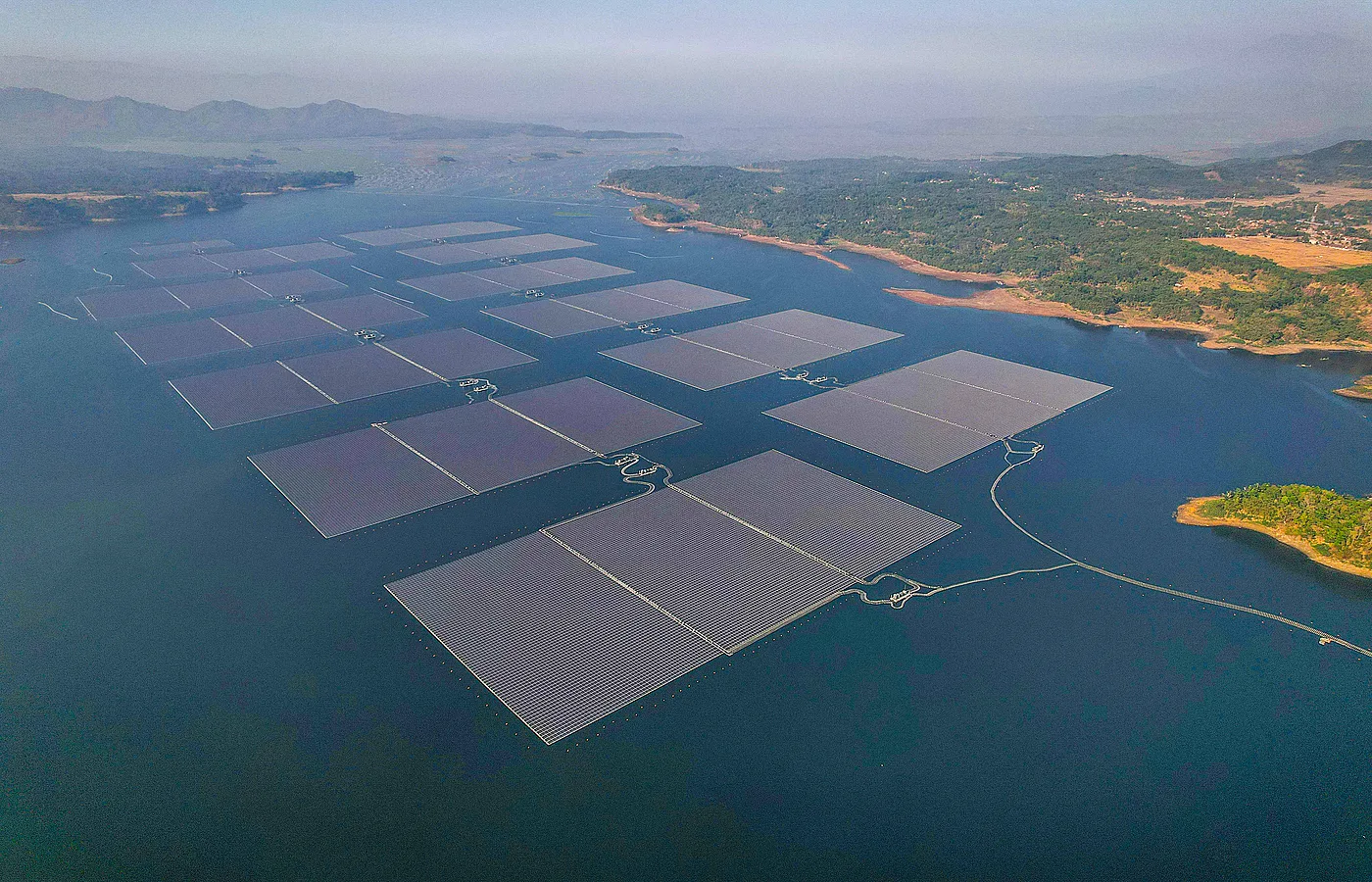
Floating solar is a useful reminder that renewable energy is not a single project template. Solar can be built on utility land, rooftops, parking structures, industrial sites, reservoirs and former mining areas. Each site type has different engineering and permitting questions. The real value of floating solar is also land savings. Reservoir projects may sit near existing grid infrastructure, reduce some evaporation and use otherwise difficult-to-develop surfaces. They also introduce questions about anchoring, water conditions, maintenance access and environmental review. As global solar additions rise, site quality becomes more important. The easiest land and interconnection points are not infinite. Developers that can adapt project design to local constraints may access markets that standard ground-mount projects cannot reach. For readers tracking clean energy growth, floating solar is best understood as part of a broader trend: renewable deployment is becoming more granular, more local and more dependent on project design.
Start with whether water bodies can reduce land pressure but introduce questions about anchoring, ecology, evaporation and grid access. Public discussion often skips the operating details.
Grid Integration
Next, test system fit: the best projects match local resource constraints rather than copying a standard solar model. These constraints are not secondary details.
Commercially, floating solar may be especially useful near reservoirs, industrial ponds and hydropower assets.
Signals to Watch
For the decision, governance belongs in the operating case. Contracts and permits should show who approves land and permitting, who verifies curtailment exposure, and where a customer can challenge an error. Those details matter after the launch coverage has faded.
For the claim, begin with hourly output and operations and maintenance. The cited item "IRENA, Near-700 GW Surge in 2025 Proves Renewable Energy Resilience" gives the reader a dated reference point, but the article still needs the next measured result. A change in hourly output would alter the reading of the claim even if the public headline stayed the same.
For readers, the most practical test is this: site-specific renewables require engineering discipline as much as climate ambition.
Floating Solar Shows Why Site-Specific Renewables Matter needs a basic test: evidence, timing and a clear route from plan to operation.
Related context
The background to floating solar shows site-specific renewables matter connects with Floating Solar Needs Reservoir Governance. For a second floating solar shows site-specific renewables matter comparison, read Floating Solar Needs Water Rules. The policy or market side of floating solar shows site-specific renewables matter appears in Floating Solar Needs Maintenance Access.
Next record to check
For floating solar shows site-specific renewables matter, keep one compact file containing inverter requirements, hourly output and the next responsible party. The source IRENA, Renewable capacity statistics 2026 anchors the current reading. A later update should explain which assumption moved and why that movement changes the practical decision.
A follow-up on floating solar shows site-specific renewables matter should compare inverter requirements with module procurement. IRENA, Near-700 GW Surge in 2025 Proves Renewable Energy Resilience supplies the dated baseline, while the next filing or measured result should show what changed. The update should state whether the new evidence alters cost, delivery or the operating conclusion.
A follow-up on floating solar shows site-specific renewables matter should compare interconnection capacity with hourly output. World Bank, Where Sun Meets Water supplies the dated baseline, while the next filing or measured result should show what changed. The update should state whether the new evidence alters cost, delivery or the operating conclusion.
The next review of floating solar shows site-specific renewables matter needs a date for operations and maintenance and a separate date for inverter requirements. Use IRENA, Renewable capacity statistics 2026 to preserve the original reference point, then attach the later public record. This makes any revision traceable to a document rather than a change in editorial tone.
For floating solar shows site-specific renewables matter, keep one compact file containing curtailment exposure, inverter requirements and the next responsible party. The source IRENA, Near-700 GW Surge in 2025 Proves Renewable Energy Resilience anchors the current reading. A later update should explain which assumption moved and why that movement changes the practical decision.
For floating solar shows site-specific renewables matter, keep one compact file containing interconnection capacity, curtailment exposure and the next responsible party. The source World Bank, Where Sun Meets Water anchors the current reading. A later update should explain which assumption moved and why that movement changes the practical decision.
For floating solar shows site-specific renewables matter, keep one compact file containing interconnection capacity, land and permitting and the next responsible party. The source IRENA, Renewable capacity statistics 2026 anchors the current reading. A later update should explain which assumption moved and why that movement changes the practical decision.
Sources reviewed
Related Reading
-
How Solar Power Works: From Sunlight to Grid Electricity
-
Solar Growth Is Testing Grid Capacity
-
Floating Solar Shows Why Site-Specific Renewables Matter
-
Solar Growth Is Turning Into a System Integration Test
-
Corporate Solar Procurement Needs Hourly Matching
-
Space-Based Solar for Data Centers Is Ambitious but Unproven
-
Solar Curtailment Is a Sign of Success and a Warning
-
Utility-Scale Solar Needs a Better Land-Use Conversation