Energy Transition News Is Becoming a Load Growth Story
For the issue, close the article with a specific follow-up rather than a broad forecast. Name the next release covering capacity obligations and the decision tied to tariff treatment. Readers can then return to the page when new evidence arrives.
Market Signal
Energy transition coverage used to focus mainly on replacing coal and oil with cleaner alternatives. That is still important, but 2026 news flow is increasingly about load growth. Electricity demand is rising from heat, electrification, industry and AI data centers. The EIA expects higher U.S. summer electricity generation in 2026, while the IEA Energy and AI report frames data centers as a major new variable in electricity planning. Recent reporting on AI infrastructure adds concerns about water, siting and local cost allocation. This changes the clean energy challenge. The task is also to decarbonize existing demand. It is to build enough clean, reliable and affordable electricity for new demand without overloading grids or increasing emissions in the interim. For readers, the most useful lens is system expansion. Solar, wind, storage, gas, transmission, efficiency and demand response are all part of the same question: how can power systems grow while becoming cleaner and more resilient?
Start with whether clean supply must grow faster than electricity demand from cooling, industry, transport and data centers. Public discussion often skips the operating details.
Investment Risk
Next, test system fit: renewables can add capacity quickly, but grids and flexibility decide whether demand is met cleanly. These constraints are not secondary details.
Commercially, markets should track new load, interconnection queues and reliability margins together.
Signals to Watch
For the decision, governance belongs in the operating case. Contracts and permits should show who approves credit support, who verifies customer exposure, and where a customer can challenge an error. Those details matter after the launch coverage has faded.
For the claim, begin with transmission congestion and capacity obligations. The cited item "Business Insider, US AI data center power demand, June 2026" gives the reader a dated reference point, but the article still needs the next measured result. A change in transmission congestion would alter the reading of the claim even if the public headline stayed the same.
For readers, the most practical test is this: the transition succeeds when clean generation, networks and demand planning move at the same speed.
Energy Transition News Is Becoming a Load Growth Story needs a basic test: evidence, timing and a clear route from plan to operation.
Related context
The background to energy transition news and a load growth story connects with Electricity Demand Growth Is Becoming the Transition Bottleneck. For a second energy transition news and a load growth story comparison, read The Energy Transition Is Becoming a Coordination Problem. The policy or market side of energy transition news and a load growth story appears in Power Market Volatility Is Becoming a Flexibility Signal.
Next record to check
For energy transition news and a load growth story, keep one compact file containing customer exposure, the next regulatory filing and the next responsible party. The source EIA, Short-Term Energy Outlook, June 2026 anchors the current reading. A later update should explain which assumption moved and why that movement changes the practical decision.
The next review of energy transition news and a load growth story needs a date for price formation and a separate date for the next regulatory filing. Use IEA, Energy and AI to preserve the original reference point, then attach the later public record. This makes any revision traceable to a document rather than a change in editorial tone.
A follow-up on energy transition news and a load growth story should compare price formation with capacity obligations. Business Insider, US AI data center power demand, June 2026 supplies the dated baseline, while the next filing or measured result should show what changed. The update should state whether the new evidence alters cost, delivery or the operating conclusion.
The next review of energy transition news and a load growth story needs a date for customer exposure and a separate date for credit support. Use The Guardian, AI datacenters and drought risk, June 2026 to preserve the original reference point, then attach the later public record. This makes any revision traceable to a document rather than a change in editorial tone.
A follow-up on energy transition news and a load growth story should compare contract liquidity with capacity obligations. EIA, Short-Term Energy Outlook, June 2026 supplies the dated baseline, while the next filing or measured result should show what changed. The update should state whether the new evidence alters cost, delivery or the operating conclusion.
The next review of energy transition news and a load growth story needs a date for capacity obligations and a separate date for credit support. Use IEA, Energy and AI to preserve the original reference point, then attach the later public record. This makes any revision traceable to a document rather than a change in editorial tone.
Sources reviewed
Related Reading
-
Why Power Markets Matter for Clean Energy Investors
-
Renewables Added Nearly 700 GW in 2025: What the Data Shows
-
EIA Sees Summer Electricity Growth Met Mainly by Renewables
-
AI Data Centers Turn Power Access Into a Competitive Constraint
-
Oil Shock Planning Is Back on the Energy Security Agenda
-
Power Markets Are Pricing Flexibility More Explicitly
-
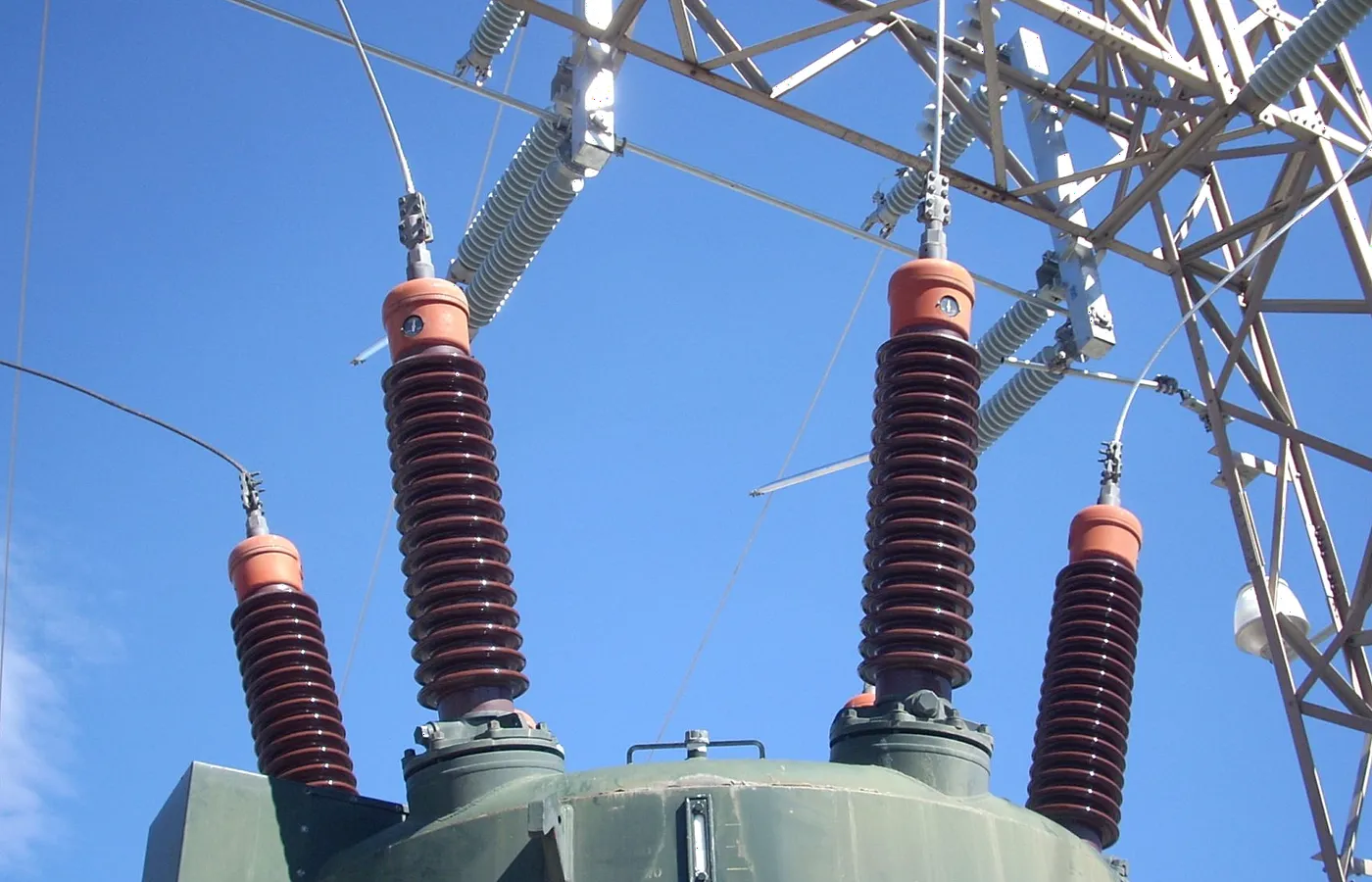
Energy Transition News Is Becoming a Load Growth Story
-
Renewables Overtaking Coal Is a Market Signal, Not a Finish