Oil Shock Planning Is Back on the Energy Security Agenda
Oil Shock Planning Is Back on the Energy Security Agenda is a practical energy-system question.
Market Signal
Energy security has returned to the center of market analysis. The EIA June 2026 outlook assumes severe disruption around the Strait of Hormuz in the near term, while the IEA has published analysis on sheltering households and businesses from oil shocks. For clean energy readers, the lesson is not that renewables solve every fuel shock immediately. It is that electrification, efficiency, public transport, heat pumps and diversified supply all reduce exposure to volatile oil flows over time. Oil shocks also affect gas and power markets indirectly. Higher oil prices can shift production incentives, fuel trade, inflation expectations and policy responses. They can also increase the political urgency behind domestic energy projects. A credible energy transition strategy therefore includes both long-term decarbonization and short-term resilience. The strongest systems reduce fuel import exposure while maintaining enough flexibility to manage disruption.
Start with whether transport, petrochemicals, aviation and shipping still expose economies to oil price volatility. Public discussion often skips the operating details.
Investment Risk
Next, test system fit: clean-energy deployment can reduce exposure over time but does not remove near-term security needs. These constraints are not secondary details.
Commercially, strategic reserves, efficiency, fuel switching and electrified transport all play different roles.
Signals to Watch
Accountability for the decision starts with the organization that controls credit support. The same record should identify who pays when contract liquidity costs more or arrives late. Without those names, readers cannot tell whether the plan manages risk or transfers it out of view.
For the claim, begin with tariff treatment and customer exposure. The cited item "EIA, Short-Term Energy Outlook, June 2026" gives the reader a dated reference point, but the article still needs the next measured result. A change in tariff treatment would alter the reading of the claim even if the public headline stayed the same.
For readers, the most practical test is this: energy security planning should connect fossil risk management with faster demand reduction.
Oil Shock Planning Is Back on the Energy Security Agenda needs a basic test: evidence, timing and a clear route from plan to operation.
Timing changes the value of the project. A resource that helps with the next regulatory filing this year may do little for tariff treatment several years later, and the reverse can also be true. The article should keep those clocks separate when it compares costs and reliability.
Related context
The background to oil shock planning back energy security agenda connects with Oil Shock Demand Destruction Changes Gas Planning. For a second oil shock planning back energy security agenda comparison, read Energy Investment Is Now an Industrial Competition Story. The policy or market side of oil shock planning back energy security agenda appears in Energy Security and Climate Policy Are Now the Same.
Next record to check
For oil shock planning back energy security agenda, keep one compact file containing transmission congestion, tariff treatment and the next responsible party. The source IEA, Sheltering From Oil Shocks anchors the current reading. A later update should explain which assumption moved and why that movement changes the practical decision.
The next review of oil shock planning back energy security agenda needs a date for credit support and a separate date for contract liquidity. Use EIA, Short-Term Energy Outlook, June 2026 to preserve the original reference point, then attach the later public record. This makes any revision traceable to a document rather than a change in editorial tone.
A follow-up on oil shock planning back energy security agenda should compare transmission congestion with capacity obligations. IEA, Oil 2025 supplies the dated baseline, while the next filing or measured result should show what changed. The update should state whether the new evidence alters cost, delivery or the operating conclusion.
The next review of oil shock planning back energy security agenda needs a date for customer exposure and a separate date for credit support. Use IEA, Sheltering From Oil Shocks to preserve the original reference point, then attach the later public record. This makes any revision traceable to a document rather than a change in editorial tone.
A follow-up on oil shock planning back energy security agenda should compare contract liquidity with credit support. EIA, Short-Term Energy Outlook, June 2026 supplies the dated baseline, while the next filing or measured result should show what changed. The update should state whether the new evidence alters cost, delivery or the operating conclusion.
For oil shock planning back energy security agenda, keep one compact file containing contract liquidity, credit support and the next responsible party. The source IEA, Oil 2025 anchors the current reading. A later update should explain which assumption moved and why that movement changes the practical decision.
Sources reviewed
Related Reading
-
Why Power Markets Matter for Clean Energy Investors
-
Renewables Added Nearly 700 GW in 2025: What the Data Shows
-
EIA Sees Summer Electricity Growth Met Mainly by Renewables
-
AI Data Centers Turn Power Access Into a Competitive Constraint
-
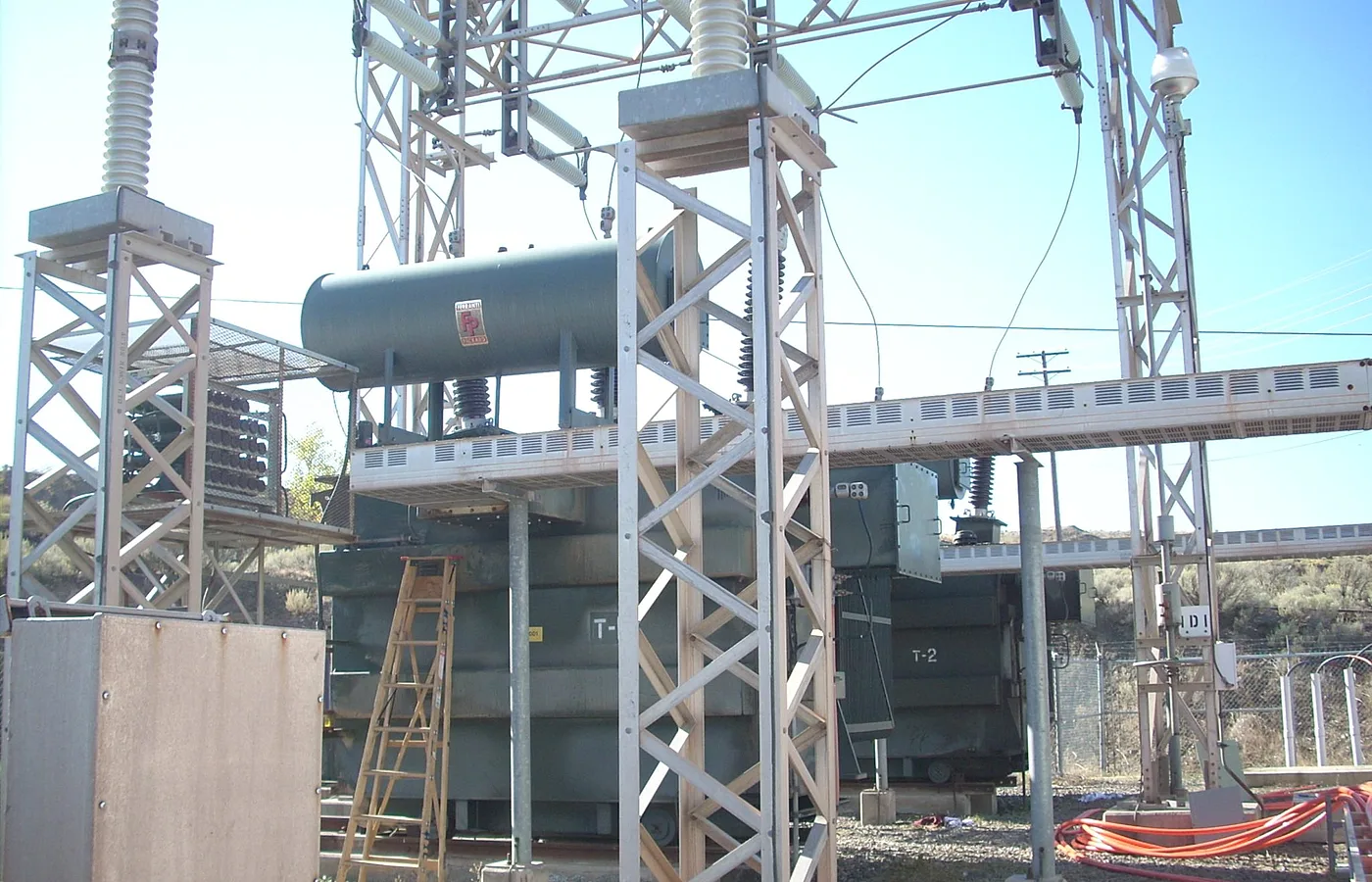
Oil Shock Planning Is Back on the Energy Security Agenda
-
Power Markets Are Pricing Flexibility More Explicitly
-
Energy Transition News Is Becoming a Load Growth Story
-
Renewables Overtaking Coal Is a Market Signal, Not a Finish