Energy Supply Chains Are Now a Core Policy Priority
Clean Energy Supply Chains Are Now a Policy Priority, Not a Side Issue belongs in the policy execution debate because it affects how projects get planned, financed and operated.
Policy Mechanism
Clean energy policy is moving beyond deployment targets. The IEA Energy Technology Perspectives 2026 report focuses on technology deployment, manufacturing, project pipelines, investment and trade flows. It also puts supply-chain vulnerabilities and industrial competitiveness at the center of the discussion. The point matters because clean energy technologies are physical products before they become climate solutions. Solar modules, wind turbines, batteries, electrolysers, heat pumps and power electronics depend on manufacturing capacity, minerals, logistics, standards and trade policy. A country can announce ambitious targets, but if equipment is delayed, expensive or politically exposed, project delivery slows. Industrial policy is therefore becoming part of energy security strategy. For investors, supply-chain analysis should be part of project risk. A low bid price may be less valuable than a credible delivery path, diversified suppliers and contracts that account for tariff, logistics and currency risk.
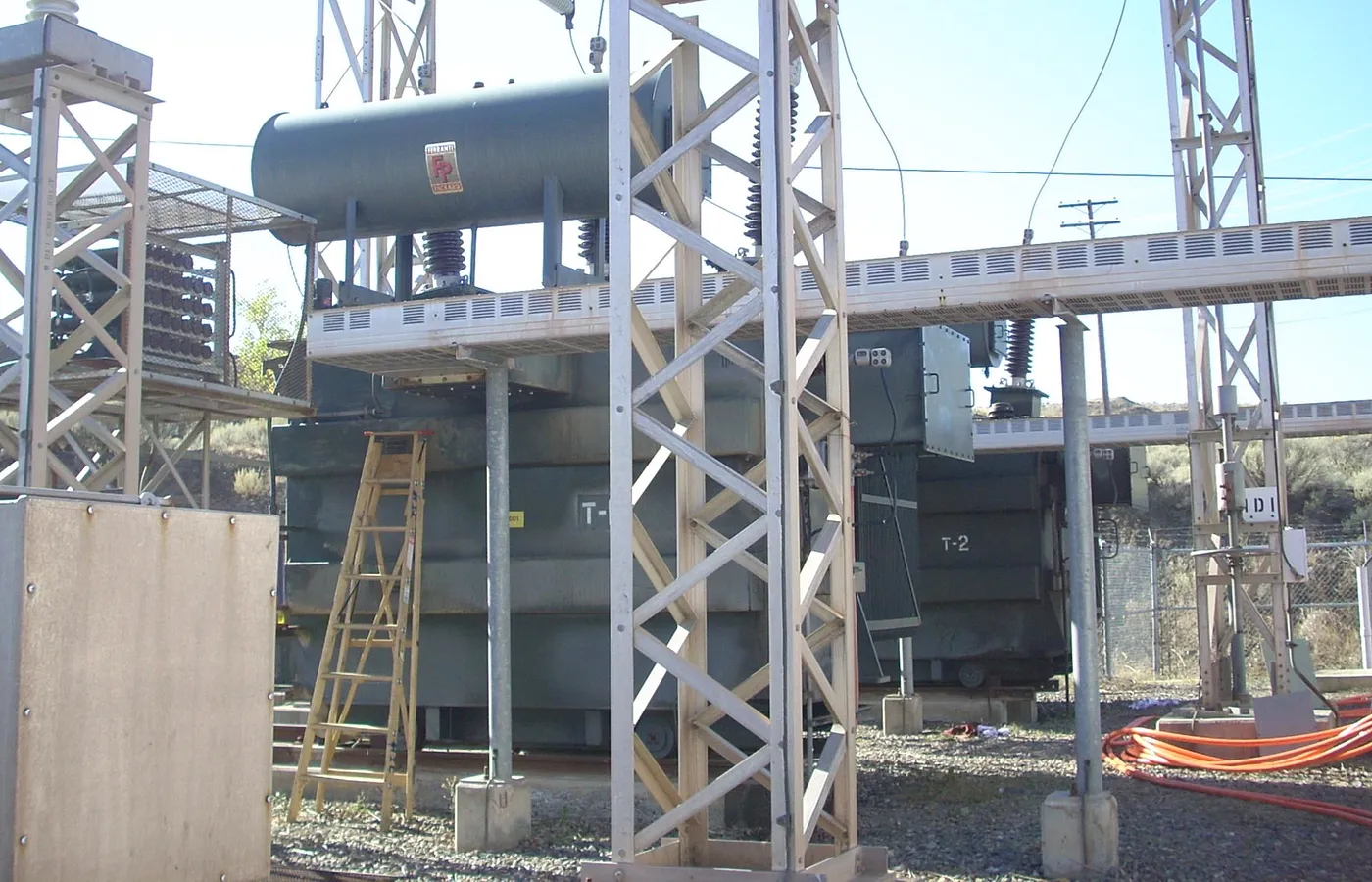
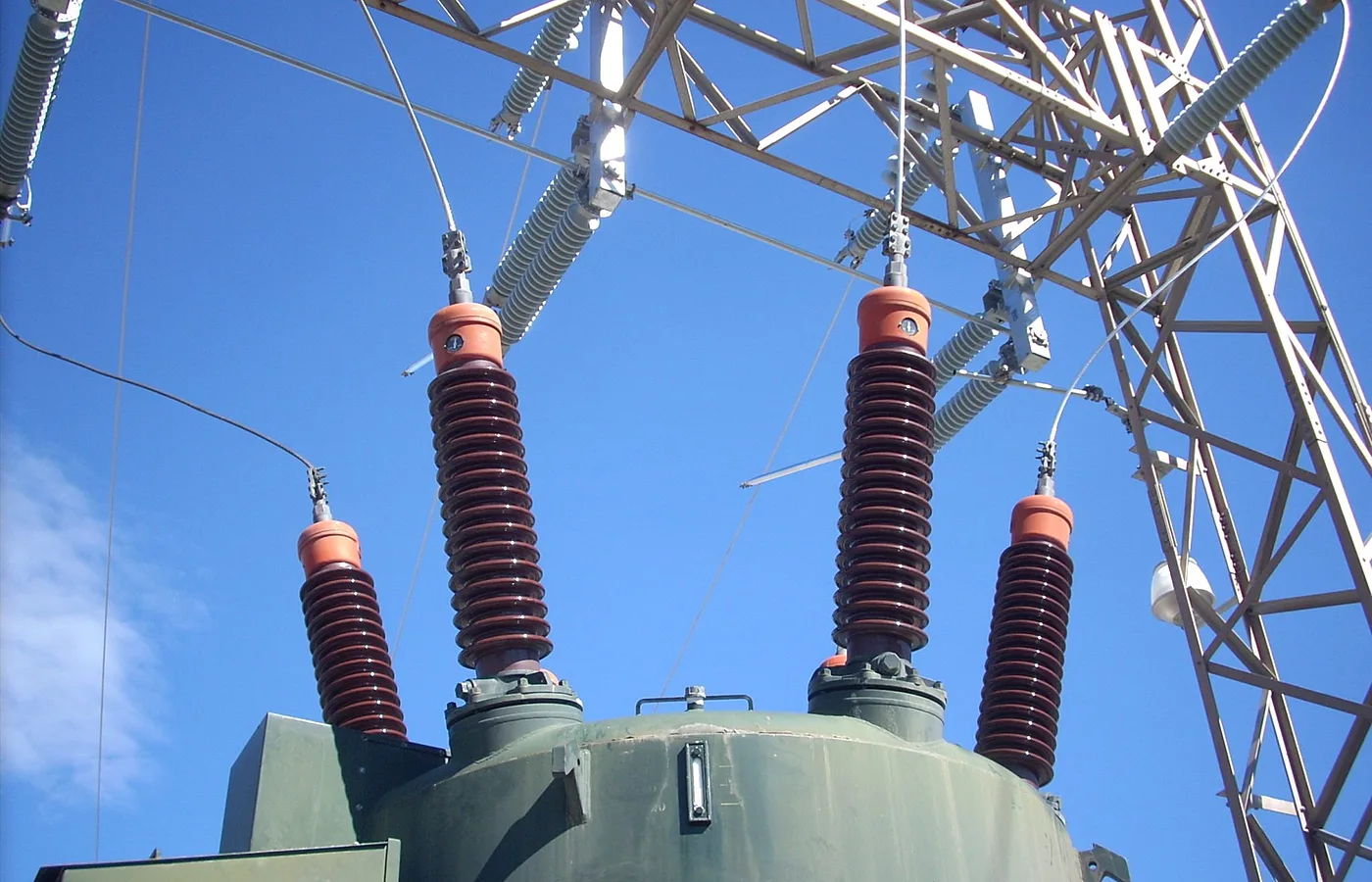
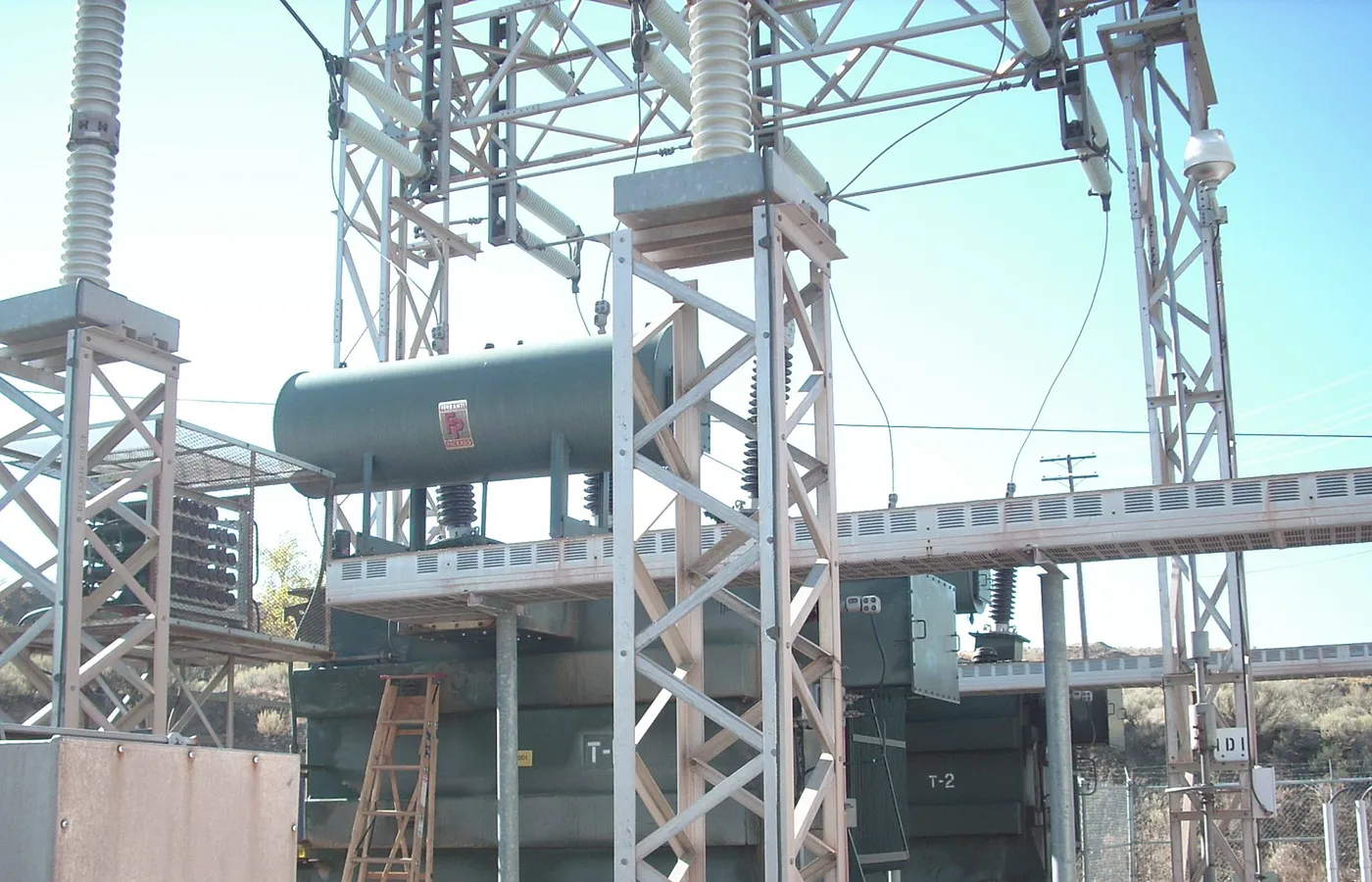
Start with whether solar modules, batteries, inverters, transformers, cables and critical minerals each create bottlenecks. Public discussion often skips the operating details.
Execution Risk
Next, test system fit: industrial policy must distinguish between resilience, protectionism and genuine capability building. These constraints are not secondary details.
Commercially, buyers should examine processing, logistics and qualification, also mining or factory announcements.
Signals to Watch
Accountability for the decision starts with the organization that controls the responsible agency. The same record should identify who pays when local permitting costs more or arrives late. Without those names, readers cannot tell whether the plan manages risk or transfers it out of view.
A useful evidence file for the claim starts with cost recovery. Add implementation deadlines, the publication date of "IEA, Critical Minerals and Clean Energy Transitions", and the next scheduled disclosure. Those items let a reader test the article's judgment without relying on a repeated market slogan.
For readers, the most practical test is this: supply-chain policy works when it reduces real constraints without hiding cost.
Clean Energy Supply Chains Are Now a Policy Priority, Not a Side Issue needs a basic test: evidence, timing and a clear route from plan to operation.
Timing changes the value of the project. A resource that helps with implementation deadlines this year may do little for the enforcement record several years later, and the reverse can also be true. The article should keep those clocks separate when it compares costs and reliability.
Related context
The background to energy supply chains now core policy priority connects with Energy Security and Climate Policy Are Now the Same. For a second energy supply chains now core policy priority comparison, read Industrial Competitiveness Is Reframing Energy Policy. The policy or market side of energy supply chains now core policy priority appears in Energy Policy Signals to Track.
Next record to check
The next review of energy supply chains now core policy priority needs a date for customer protections and a separate date for the enforcement record. Use IEA, Energy Technology Perspectives 2026 to preserve the original reference point, then attach the later public record. This makes any revision traceable to a document rather than a change in editorial tone.
A follow-up on energy supply chains now core policy priority should compare the enforcement record with local permitting. IEA, Critical Minerals and Clean Energy Transitions supplies the dated baseline, while the next filing or measured result should show what changed. The update should state whether the new evidence alters cost, delivery or the operating conclusion.
The next review of energy supply chains now core policy priority needs a date for the enforcement record and a separate date for local permitting. Use IRENA, Critical Materials and Energy Transition to preserve the original reference point, then attach the later public record. This makes any revision traceable to a document rather than a change in editorial tone.
A follow-up on energy supply chains now core policy priority should compare the enforcement record with the funding source. IEA, Energy Technology Perspectives 2026 supplies the dated baseline, while the next filing or measured result should show what changed. The update should state whether the new evidence alters cost, delivery or the operating conclusion.
The next review of energy supply chains now core policy priority needs a date for reporting rules and a separate date for the funding source. Use IEA, Critical Minerals and Clean Energy Transitions to preserve the original reference point, then attach the later public record. This makes any revision traceable to a document rather than a change in editorial tone.
A follow-up on energy supply chains now core policy priority should compare the enforcement record with local permitting. IRENA, Critical Materials and Energy Transition supplies the dated baseline, while the next filing or measured result should show what changed. The update should state whether the new evidence alters cost, delivery or the operating conclusion.
Sources reviewed
Related Reading
-

Energy Policy Signals to Track
-
Data Center Water Risk Is Becoming an Energy Policy Issue
-
Energy Supply Chains Are Now a Core Policy Priority
-
Industrial Competitiveness Is Reframing Energy Policy
-
AI Data Centers Are Forcing Energy Policy to Get Local
-
Distribution Grids Are the Next Clean Energy Bottleneck
-
Critical Minerals Policy Needs Processing Depth
-
Underwater Data Centers Make Cooling an Energy Policy Issue