Energy Policy Signals to Track
Energy Policy Signals to Track is a practical energy-system question.
Policy Mechanism
Energy policy can change the speed and direction of investment. Tax credits, auctions, renewable portfolio standards, carbon pricing, grid rules, permitting reform, and industrial policy all influence which projects get built and how quickly they reach operation. Good policy analysis starts with incentives. A policy may support clean energy generation, domestic manufacturing, grid expansion, consumer adoption, or emissions reduction. Each goal produces different winners, bottlenecks, and risks. Implementation is the test Announcements are not the same as deployment. Watch agency guidance, funding timelines, local permitting capacity, court challenges, and grid-connection rules. These details often decide whether a policy becomes real infrastructure. Questions to Ask When a new energy policy appears, ask who pays, who receives support, what technology qualifies, what deadline applies, and which part of the project chain could still slow delivery.
Start with whether permitting rules, tax credits, auctions, interconnection reform and disclosure standards all shape capital allocation. Public discussion often skips the operating details.
Execution Risk
Next, test system fit: policy should be judged by implementation detail, not headline ambition. These constraints are not secondary details.
Commercially, investors can watch whether rules reduce bottlenecks or merely announce targets.
Signals to Watch
For the decision, governance belongs in the operating case. Contracts and permits should show who approves the responsible agency, who verifies the funding source, and where a customer can challenge an error. Those details matter after the launch coverage has faded.
A useful evidence file for the claim starts with customer protections. Add local permitting, the publication date of "IEA Energy and AI", and the next scheduled disclosure. Those items let a reader test the article's judgment without relying on a repeated market slogan.
For readers, the most practical test is this: durable policy creates confidence without hiding real system costs.
Energy Policy Signals to Track needs a basic test: evidence, timing and a clear route from plan to operation.
The schedule for the project should separate the next operating season from the financing and construction calendar. Cost recovery may move faster than the enforcement record, so a single completion date hides the real dependency. Track the next public milestone and revise the conclusion when that date slips or closes.
Related context
The background to energy policy signals track connects with Underwater Data Centers Make Cooling an Energy Policy Issue. For a second energy policy signals track comparison, read Energy Security and Climate Policy Are Now the Same. The policy or market side of energy policy signals track appears in Resource Nationalism Is Reshaping Clean Energy Policy.
Next record to check
For energy policy signals track, keep one compact file containing reporting rules, the funding source and the next responsible party. The source IEA Electricity 2026 anchors the current reading. A later update should explain which assumption moved and why that movement changes the practical decision.
A follow-up on energy policy signals track should compare customer protections with the enforcement record. IEA Energy and AI supplies the dated baseline, while the next filing or measured result should show what changed. The update should state whether the new evidence alters cost, delivery or the operating conclusion.
The next review of energy policy signals track needs a date for the responsible agency and a separate date for the funding source. Use IRENA Transitioning Away from Fossil Fuels to preserve the original reference point, then attach the later public record. This makes any revision traceable to a document rather than a change in editorial tone.
For energy policy signals track, keep one compact file containing cost recovery, local permitting and the next responsible party. The source IEA Electricity 2026 anchors the current reading. A later update should explain which assumption moved and why that movement changes the practical decision.
For energy policy signals track, keep one compact file containing cost recovery, implementation deadlines and the next responsible party. The source IEA Energy and AI anchors the current reading. A later update should explain which assumption moved and why that movement changes the practical decision.
The next review of energy policy signals track needs a date for implementation deadlines and a separate date for customer protections. Use IRENA Transitioning Away from Fossil Fuels to preserve the original reference point, then attach the later public record. This makes any revision traceable to a document rather than a change in editorial tone.
For energy policy signals track, keep one compact file containing implementation deadlines, the funding source and the next responsible party. The source IEA Electricity 2026 anchors the current reading. A later update should explain which assumption moved and why that movement changes the practical decision.
The next review of energy policy signals track needs a date for customer protections and a separate date for local permitting. Use IEA Energy and AI to preserve the original reference point, then attach the later public record. This makes any revision traceable to a document rather than a change in editorial tone.
Sources reviewed
Related Reading
-
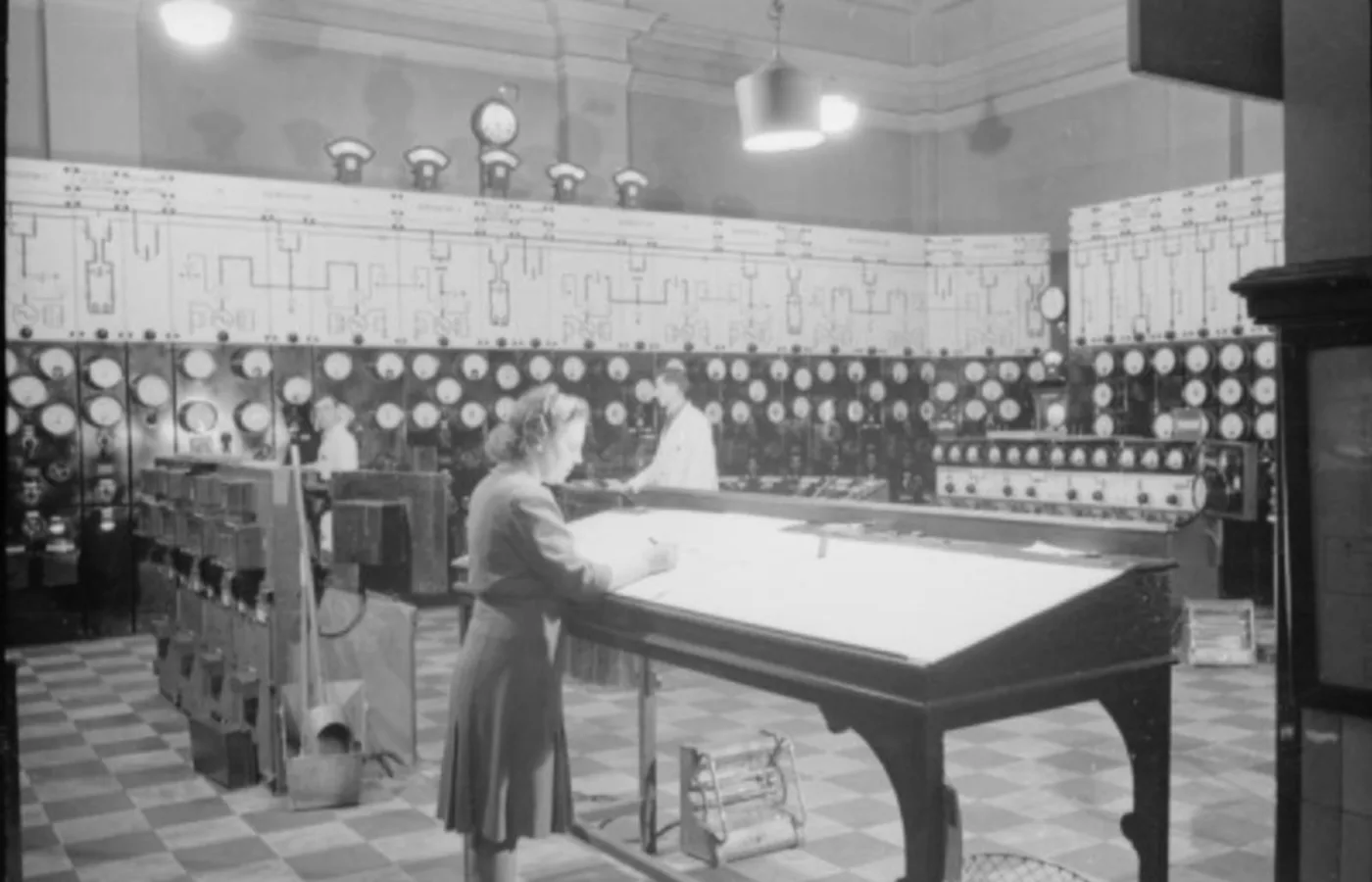
Energy Policy Signals to Track
-
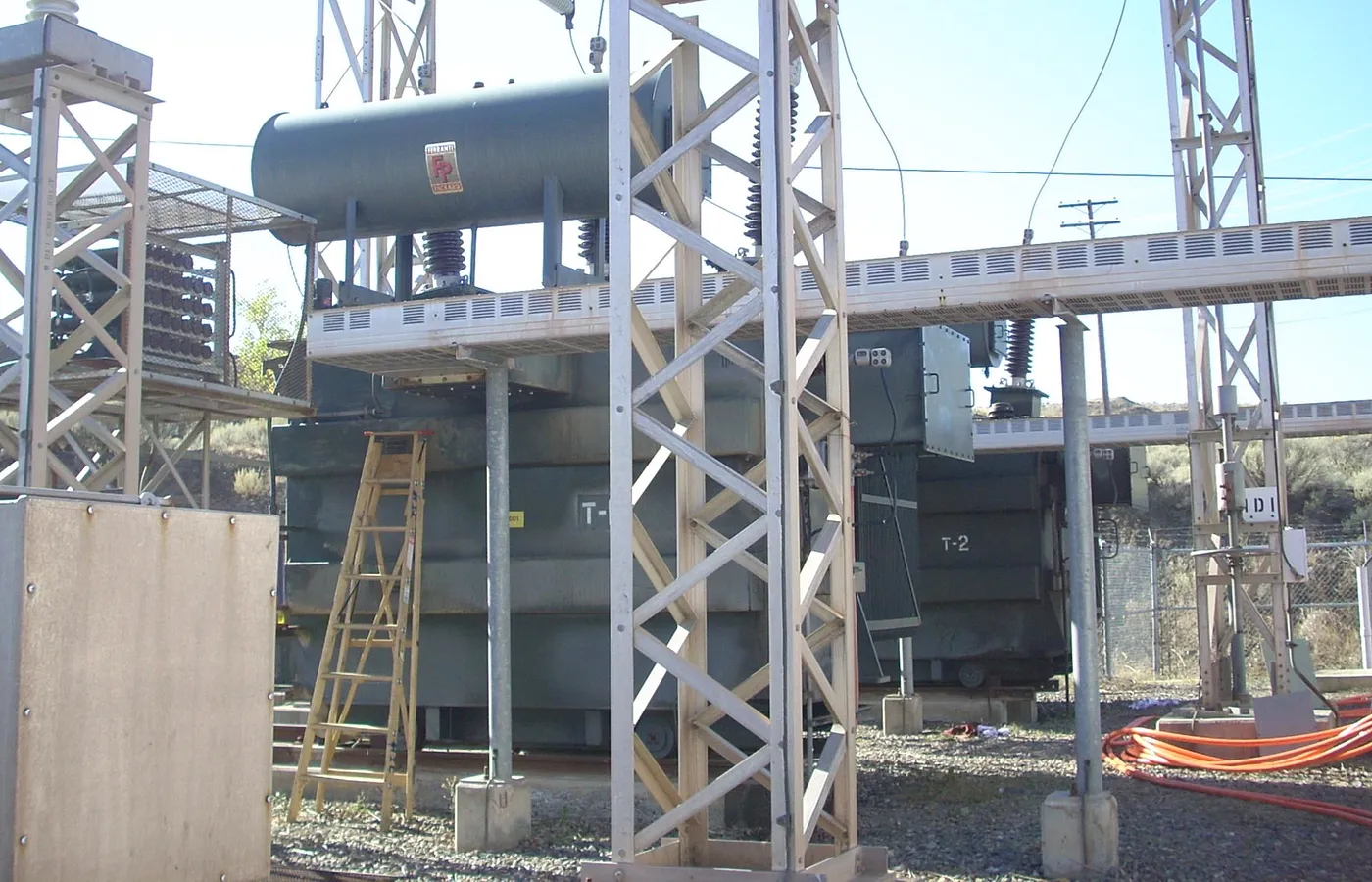
Data Center Water Risk Is Becoming an Energy Policy Issue
-
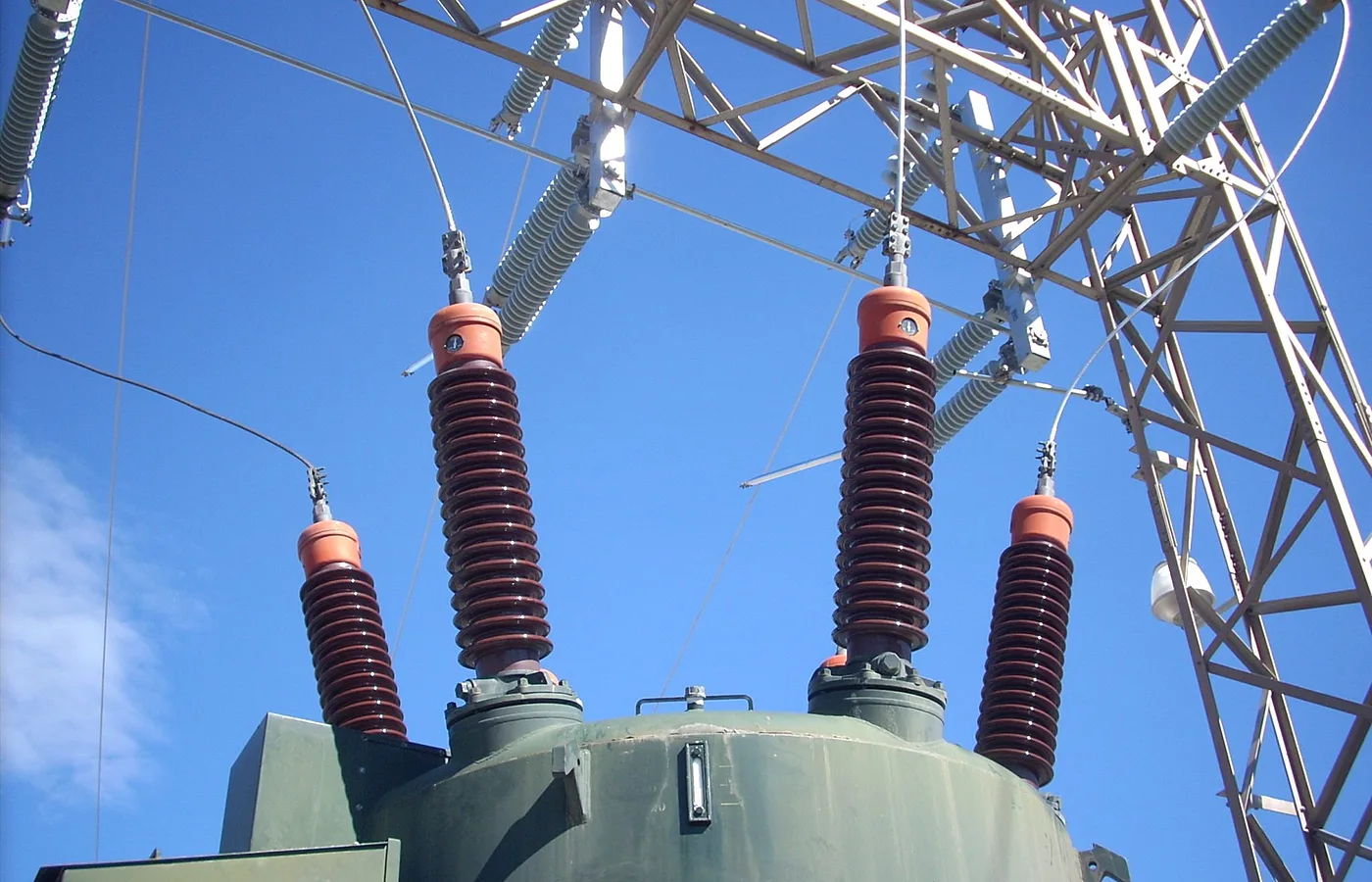
Energy Supply Chains Are Now a Core Policy Priority
-
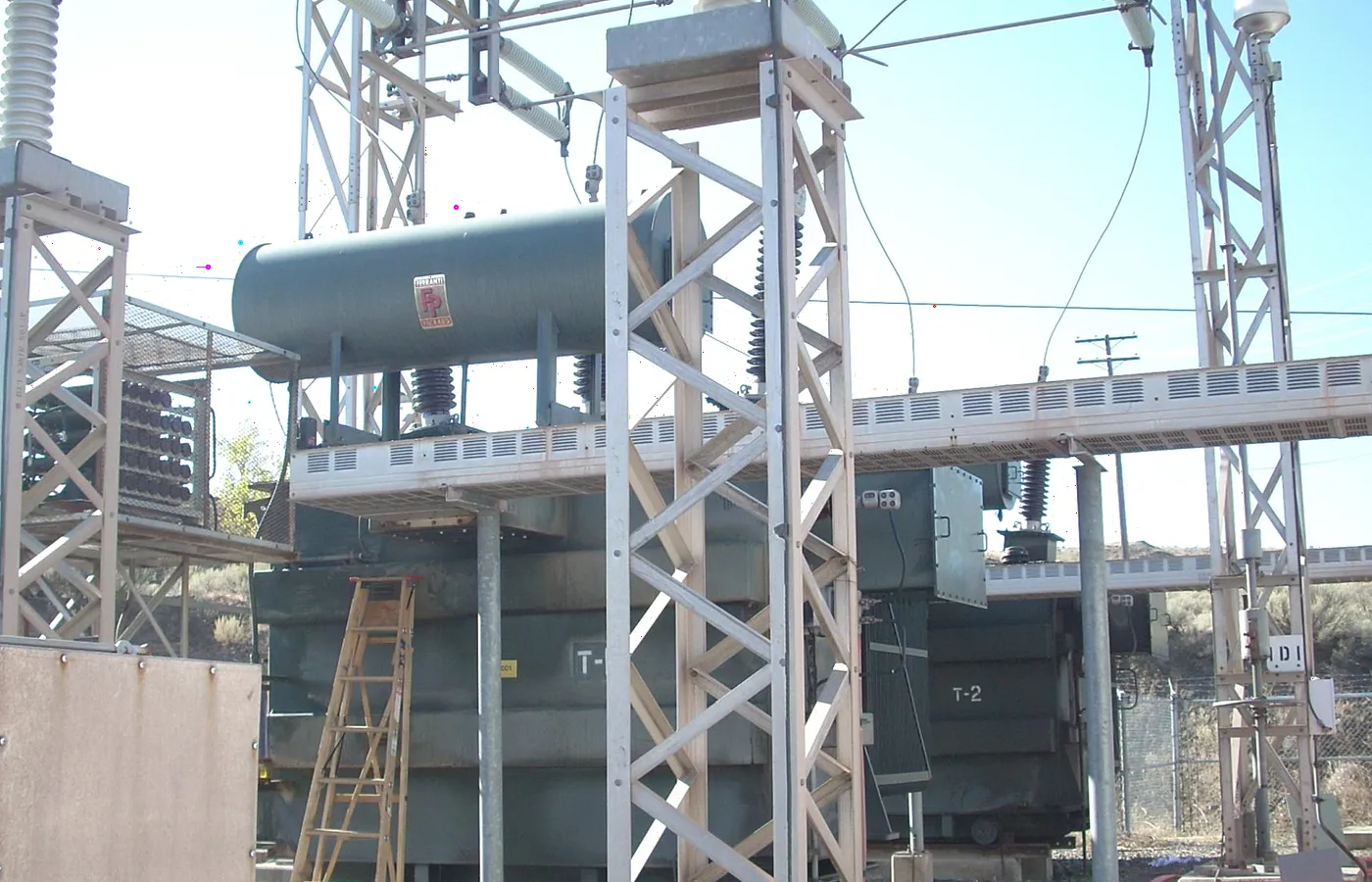
Industrial Competitiveness Is Reframing Energy Policy
-
AI Data Centers Are Forcing Energy Policy to Get Local
-
Distribution Grids Are the Next Clean Energy Bottleneck
-
Critical Minerals Policy Needs Processing Depth
-
Underwater Data Centers Make Cooling an Energy Policy Issue