Onshore and Offshore Wind: The Key Differences
Onshore and Offshore Wind: The Key Differences gives readers a practical way to judge a wind development pressure point.
Resource and Siting
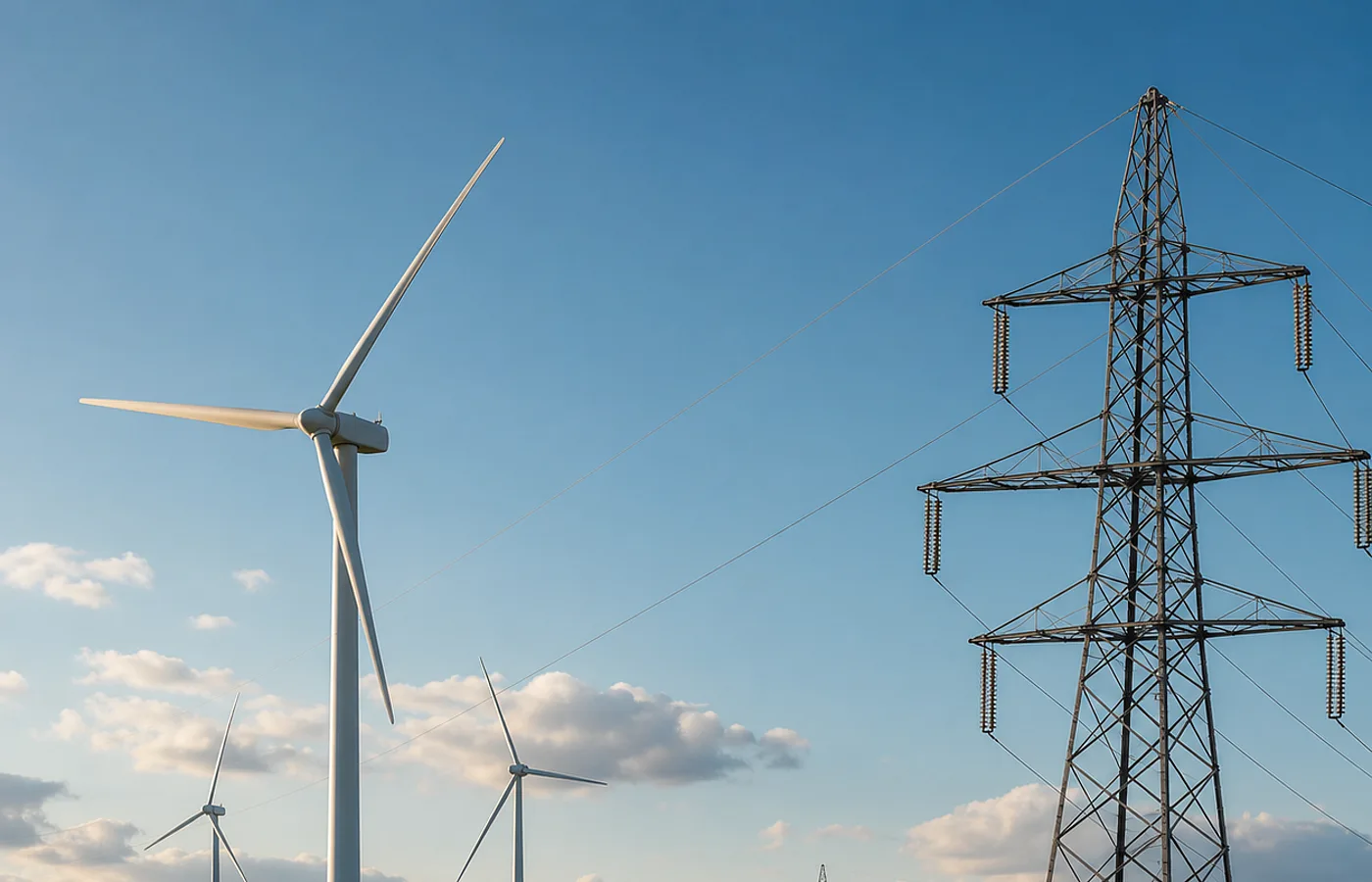
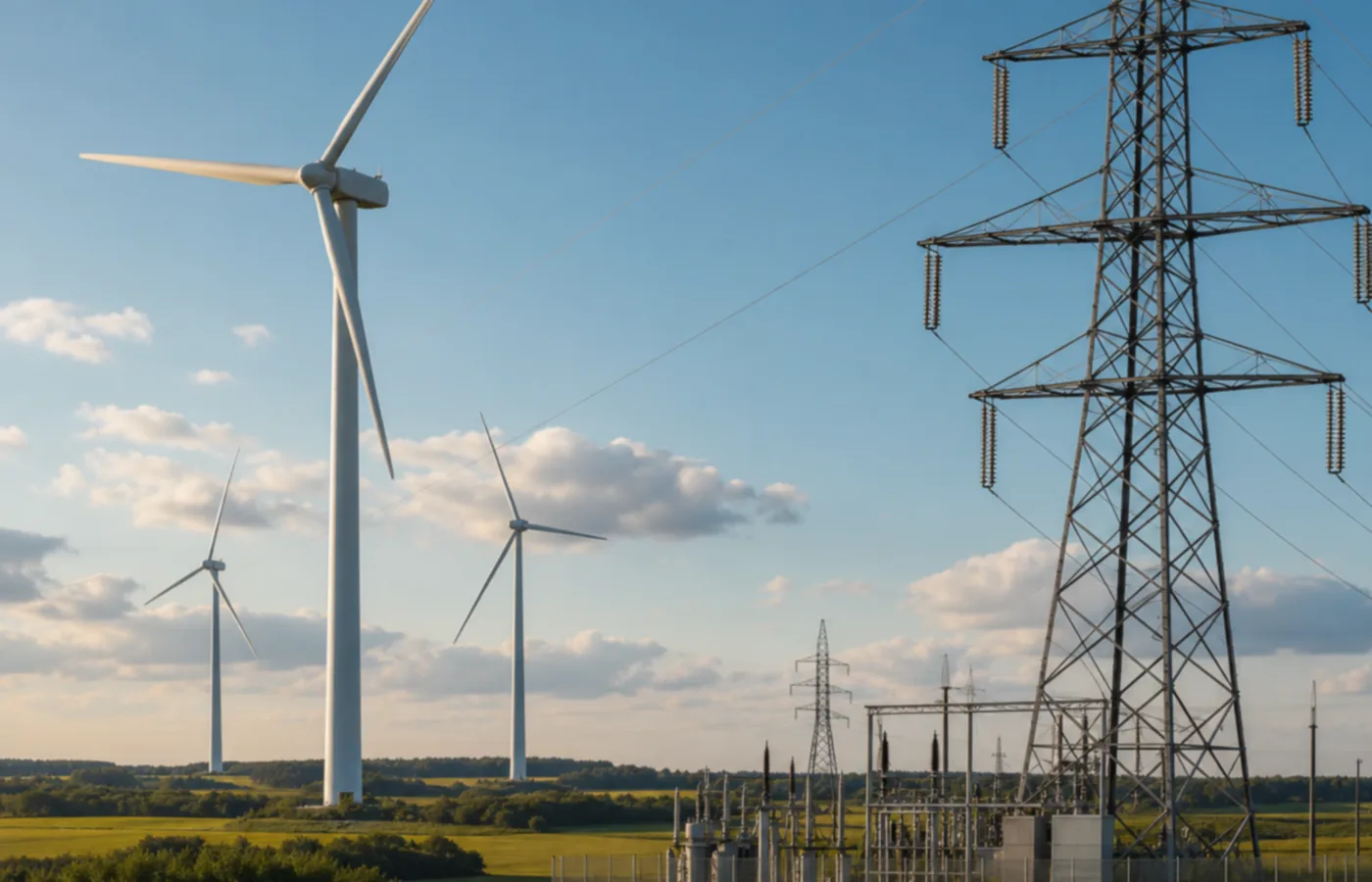
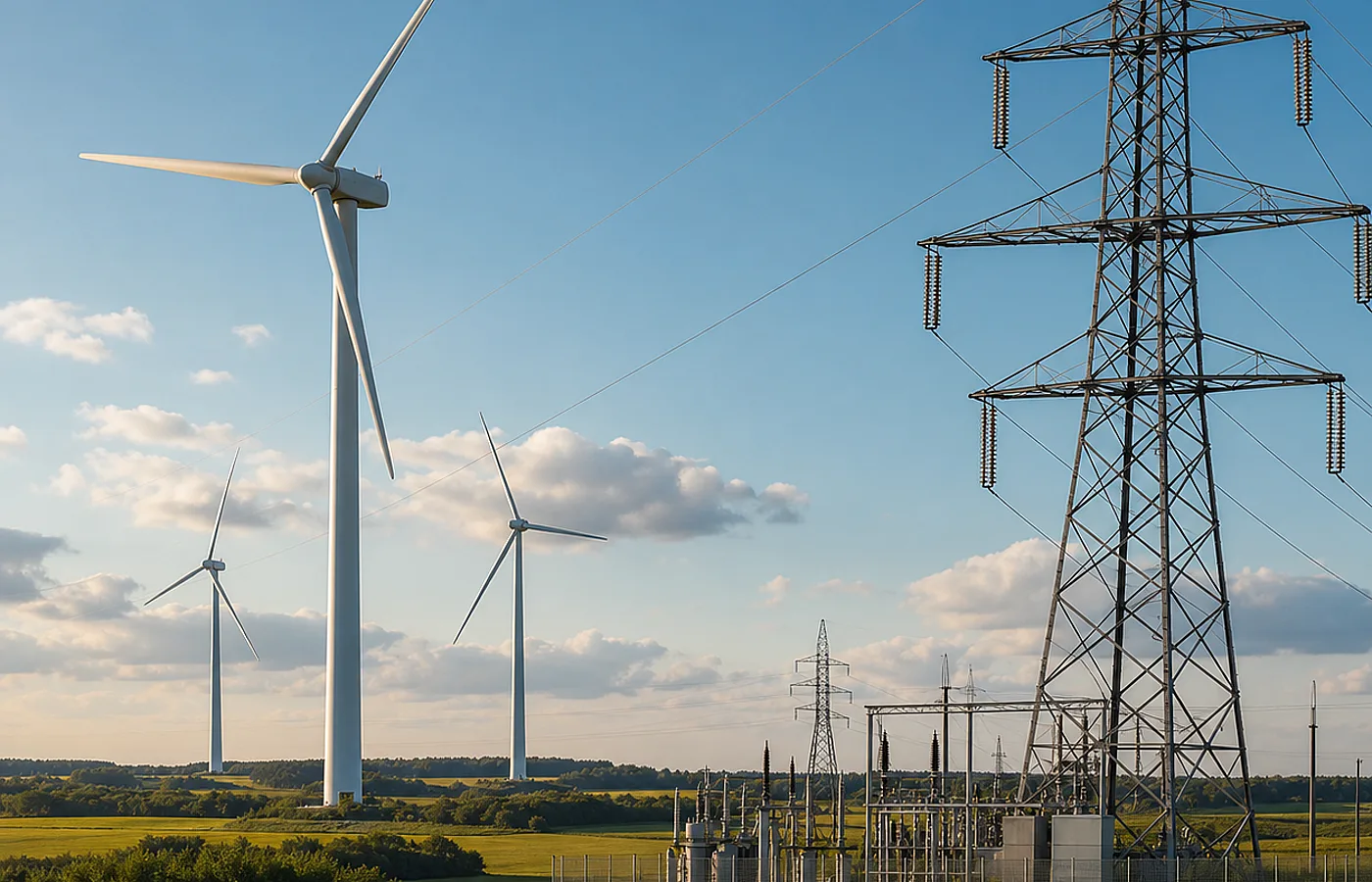
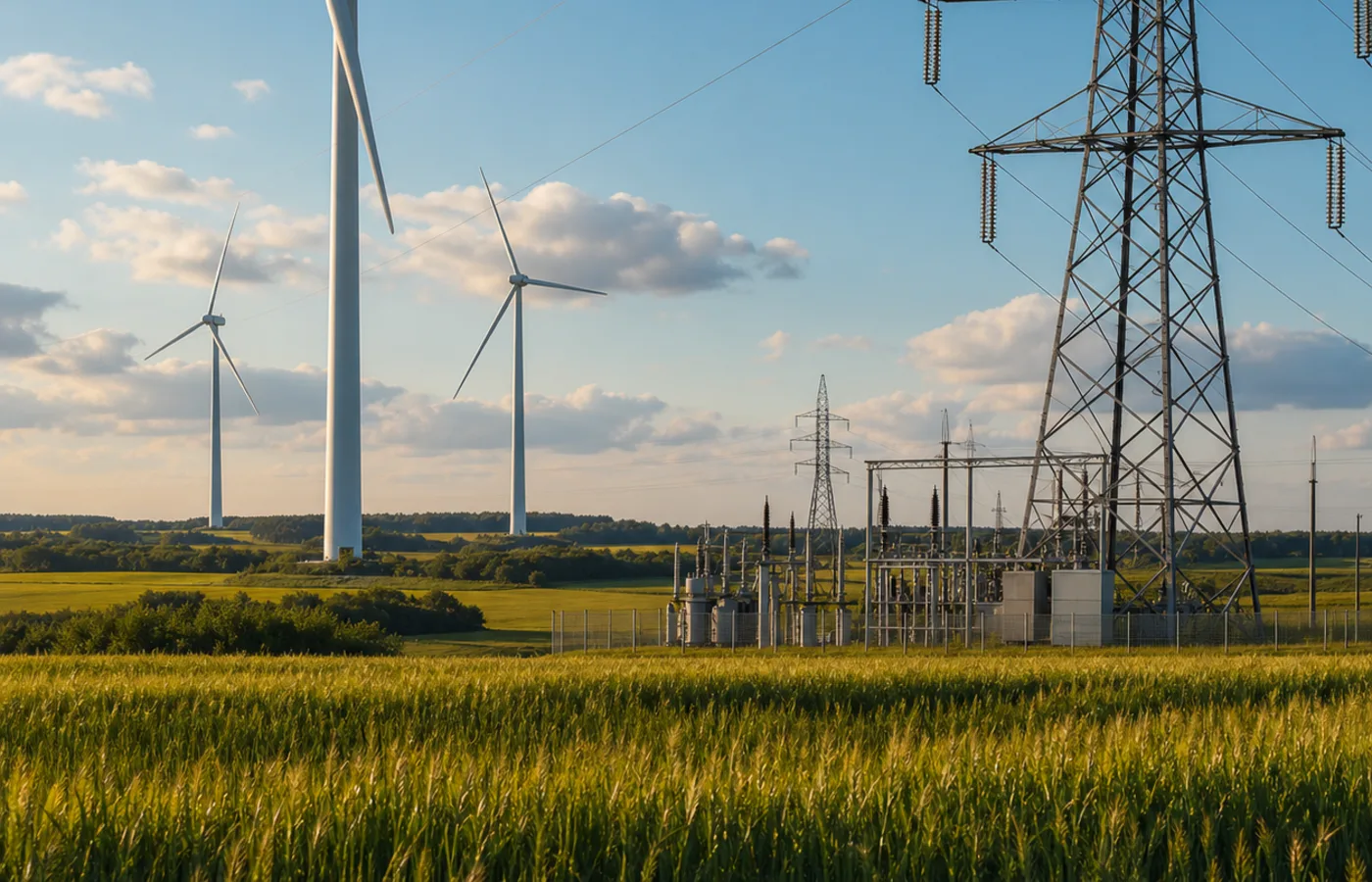
Wind power uses turbines to convert moving air into electricity. Onshore wind projects are built on land, often in open plains, ridges, or agricultural areas. Offshore wind projects are built in bodies of water, where wind resources can be stronger and more consistent but construction is more complex. Onshore wind is usually cheaper and faster to build. Offshore wind can deliver large volumes of power near coastal demand centers, but it requires specialized foundations, vessels, cables, ports, and long-term maintenance planning. Grid and permitting issues Both types of wind depend on grid connection. A project with excellent wind resources can still be delayed if transmission capacity is weak or permitting is slow. Community acceptance, environmental review, and local planning rules also shape project timelines. Market value The value of wind generation depends on when it produces power and how well the grid can move that power to demand centers. As wind penetration grows, storage, transmission, forecasting, and flexible demand become more important.
Start with whether onshore wind is usually faster and cheaper, while offshore wind offers scale and strong coastal resources. Public discussion often skips the operating details.
Grid Value
Next, test system fit: permitting, transmission, vessels, ports and community acceptance shape the two markets differently. These constraints are not secondary details.
Commercially, investors should compare risk allocation rather than assuming all wind megawatts are equivalent.
Signals to Watch
The rule behind the decision should specify site measurements, a reporting date, and the consequence for missing offtake terms. Regulators and project sponsors can disagree on design, but the public should still be able to see who has authority to act. That clarity makes later corrections possible.
For the claim, begin with turbine availability and transmission access. The cited item "IRENA Renewable Capacity Statistics 2026" gives the reader a dated reference point, but the article still needs the next measured result. A change in turbine availability would alter the reading of the claim even if the public headline stayed the same.
For readers, the most practical test is this: the right mix depends on geography, demand centers, industrial strategy and grid needs.
Onshore and Offshore Wind: The Key Differences needs a basic test: evidence, timing and a clear route from plan to operation.
Related context
The background to onshore offshore wind key differences connects with Offshore Wind Needs Industrial Discipline After the Reset. For a second onshore offshore wind key differences comparison, read Onshore Wind Needs Better Community Benefit Models. The policy or market side of onshore offshore wind key differences appears in Offshore Wind Ports Are Strategic Energy Infrastructure.
Next record to check
The next review of onshore offshore wind key differences needs a date for turbine availability and a separate date for transmission access. Use IEA Renewables to preserve the original reference point, then attach the later public record. This makes any revision traceable to a document rather than a change in editorial tone.
The next review of onshore offshore wind key differences needs a date for component warranties and a separate date for weather variability. Use IRENA Renewable Capacity Statistics 2026 to preserve the original reference point, then attach the later public record. This makes any revision traceable to a document rather than a change in editorial tone.
The next review of onshore offshore wind key differences needs a date for turbine availability and a separate date for weather variability. Use Ember Global Electricity Review 2026 to preserve the original reference point, then attach the later public record. This makes any revision traceable to a document rather than a change in editorial tone.
The next review of onshore offshore wind key differences needs a date for lease and permit dates and a separate date for construction logistics. Use IEA Renewables to preserve the original reference point, then attach the later public record. This makes any revision traceable to a document rather than a change in editorial tone.
For onshore offshore wind key differences, keep one compact file containing weather variability, site measurements and the next responsible party. The source IRENA Renewable Capacity Statistics 2026 anchors the current reading. A later update should explain which assumption moved and why that movement changes the practical decision.
The next review of onshore offshore wind key differences needs a date for component warranties and a separate date for weather variability. Use Ember Global Electricity Review 2026 to preserve the original reference point, then attach the later public record. This makes any revision traceable to a document rather than a change in editorial tone.
The next review of onshore offshore wind key differences needs a date for component warranties and a separate date for site measurements. Use IEA Renewables to preserve the original reference point, then attach the later public record. This makes any revision traceable to a document rather than a change in editorial tone.
Sources reviewed
Related Reading
-
Onshore and Offshore Wind: The Key Differences
-
Wind Power Growth Is Becoming a Grid and Permitting Story
-
Wind Power Needs Permitting and Grid Reform
-
Wind Repowering Is Becoming the Quiet Growth Market
-
Offshore Wind Needs Industrial Discipline After the Reset
-
Onshore Wind Needs Better Community Benefit Models
-
Offshore Wind Ports Are Strategic Energy Infrastructure
-
Wind Power Still Matters for System Adequacy