Wind Power Needs Permitting and Grid Reform
Wind Power Needs Permitting and Grid Reform More Than Hype belongs in the wind development debate because it affects how projects get planned, financed and operated.
Resource and Siting
Wind power is not disappearing from the transition story, but it is entering a more demanding phase. Solar is growing faster in many markets because it is easier to modularize and site. Wind still offers valuable generation profiles, especially where evening, winter or coastal resources complement solar output. The main barriers are practical. Permitting timelines, local opposition, grid connection queues and higher financing costs can slow both onshore and offshore wind. In mature markets, the difference between a strong wind target and delivered megawatt-hours often comes down to transmission planning and local approval processes. Wind also has system value that headline capacity numbers can miss. It can reduce overdependence on midday solar, diversify seasonal output and support cleaner power supply during hours when solar output is low. That value becomes more important as clean electricity shares rise. The next wind cycle will reward markets that remove avoidable bottlenecks. Policy support matters, but so do faster permitting, bankable grid access, credible auction design and supply chains that can deliver without constant renegotiation.
Start with whether onshore projects face local approval challenges while offshore projects face ports, vessels and grid timing. Public discussion often skips the operating details.
Grid Value
Next, test system fit: wind is still valuable because it diversifies clean generation beyond midday solar. These constraints are not secondary details.
Commercially, policy should reward deliverable projects rather than only ambitious targets.
Signals to Watch
The rule behind the decision should specify offtake terms, a reporting date, and the consequence for missing component warranties. Regulators and project sponsors can disagree on design, but the public should still be able to see who has authority to act. That clarity makes later corrections possible.
A useful evidence file for the claim starts with turbine availability. Add offtake terms, the publication date of "Ember Global Electricity Review 2026", and the next scheduled disclosure. Those items let a reader test the article's judgment without relying on a repeated market slogan.
For readers, the most practical test is this: the sector needs trust-building and transmission access as much as better turbines.
Wind Power Needs Permitting and Grid Reform More Than Hype needs a basic test: evidence, timing and a clear route from plan to operation.
Related context
The background to permitting and grid reform for wind power connects with Wind Power Growth Is Becoming a Grid and Permitting Story. For a second permitting and grid reform for wind power comparison, read Wind Permitting Needs Earlier Grid Evidence. The policy or market side of permitting and grid reform for wind power appears in Offshore Wind and Ports Need Joint Investment Plans.
Next record to check
A follow-up on permitting and grid reform for wind power should compare weather variability with component warranties. IEA Renewables - Energy System supplies the dated baseline, while the next filing or measured result should show what changed. The update should state whether the new evidence alters cost, delivery or the operating conclusion.
The next review of permitting and grid reform for wind power needs a date for lease and permit dates and a separate date for transmission access. Use Ember Global Electricity Review 2026 to preserve the original reference point, then attach the later public record. This makes any revision traceable to a document rather than a change in editorial tone.
For permitting and grid reform for wind power, keep one compact file containing turbine availability, transmission access and the next responsible party. The source IRENA Transitioning Away from Fossil Fuels anchors the current reading. A later update should explain which assumption moved and why that movement changes the practical decision.
For permitting and grid reform for wind power, keep one compact file containing turbine availability, construction logistics and the next responsible party. The source IEA Renewables - Energy System anchors the current reading. A later update should explain which assumption moved and why that movement changes the practical decision.
The next review of permitting and grid reform for wind power needs a date for offtake terms and a separate date for construction logistics. Use Ember Global Electricity Review 2026 to preserve the original reference point, then attach the later public record. This makes any revision traceable to a document rather than a change in editorial tone.
A follow-up on permitting and grid reform for wind power should compare turbine availability with component warranties. IRENA Transitioning Away from Fossil Fuels supplies the dated baseline, while the next filing or measured result should show what changed. The update should state whether the new evidence alters cost, delivery or the operating conclusion.
Sources reviewed
Related Reading
-

Onshore and Offshore Wind: The Key Differences
-
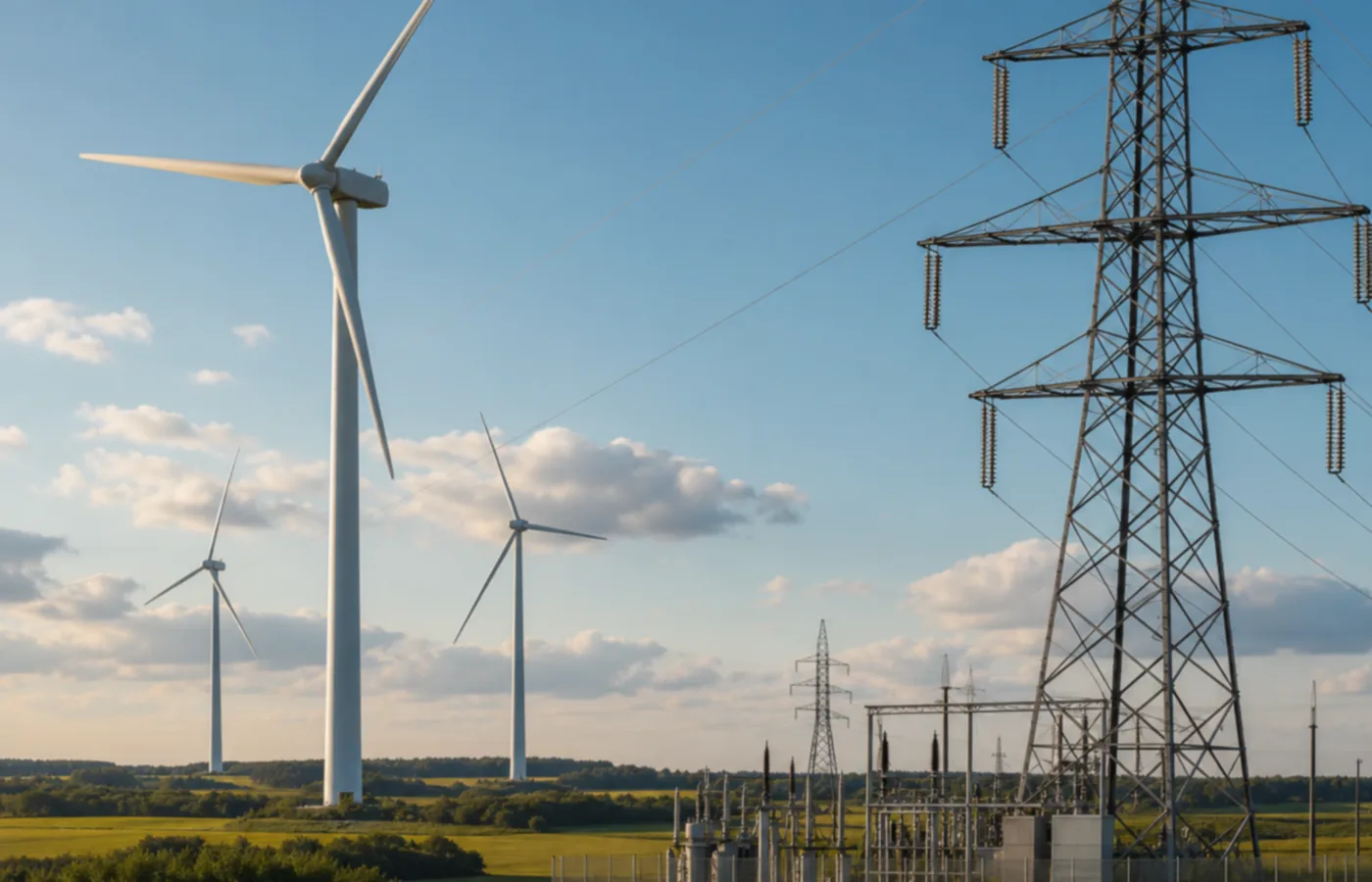
Wind Power Growth Is Becoming a Grid and Permitting Story
-
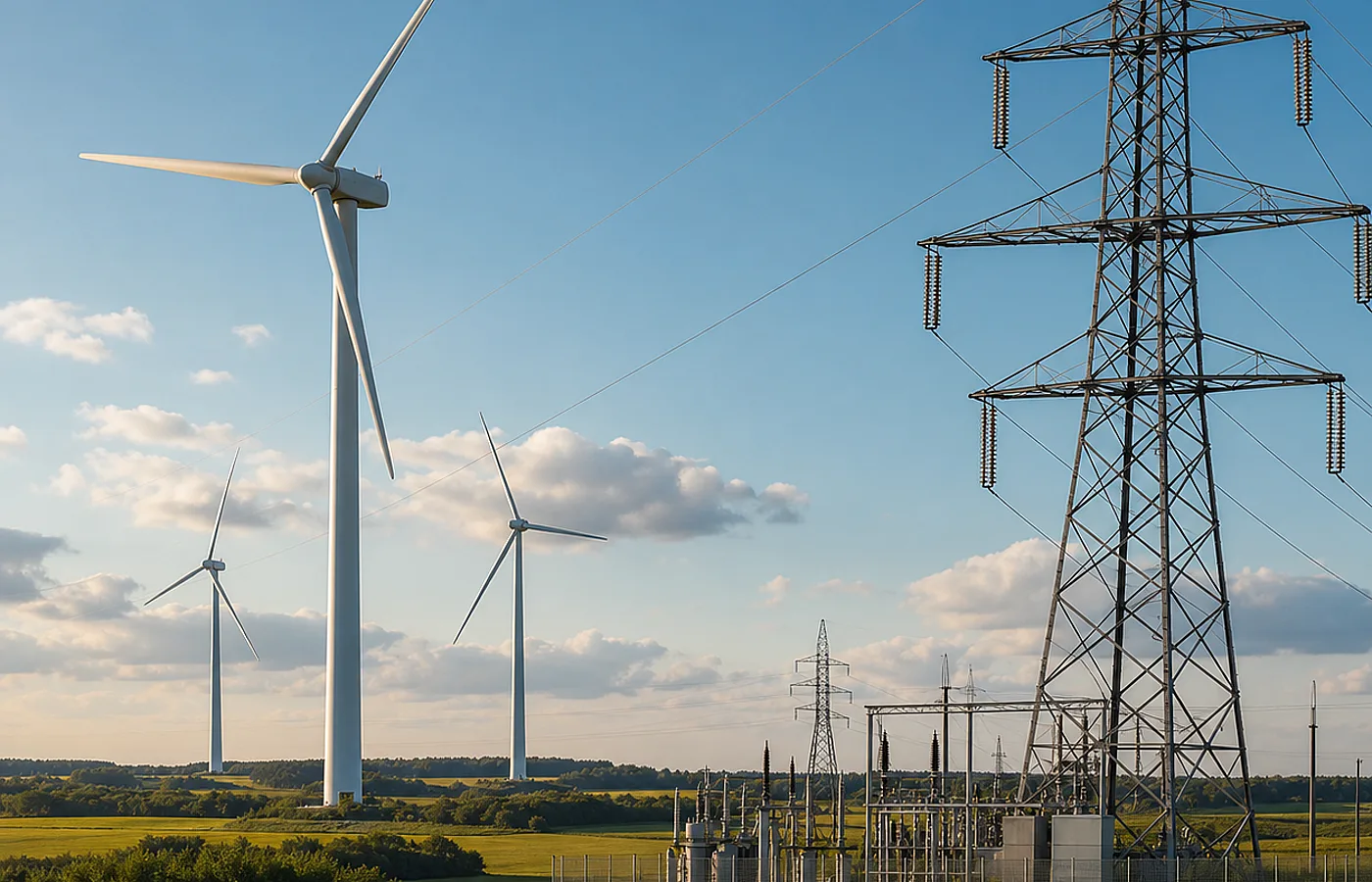
Wind Power Needs Permitting and Grid Reform
-
Wind Repowering Is Becoming the Quiet Growth Market
-
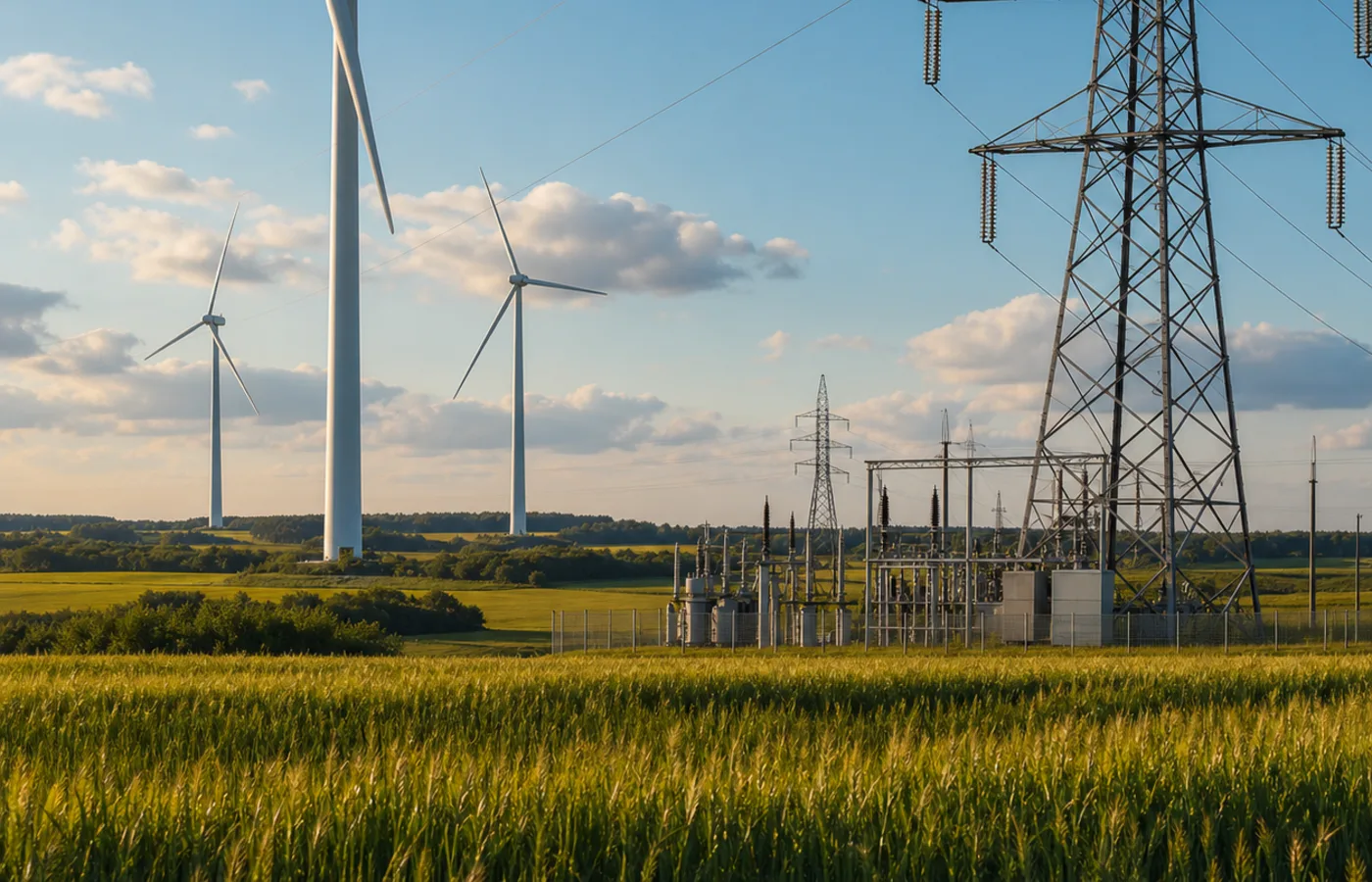
Offshore Wind Needs Industrial Discipline After the Reset
-
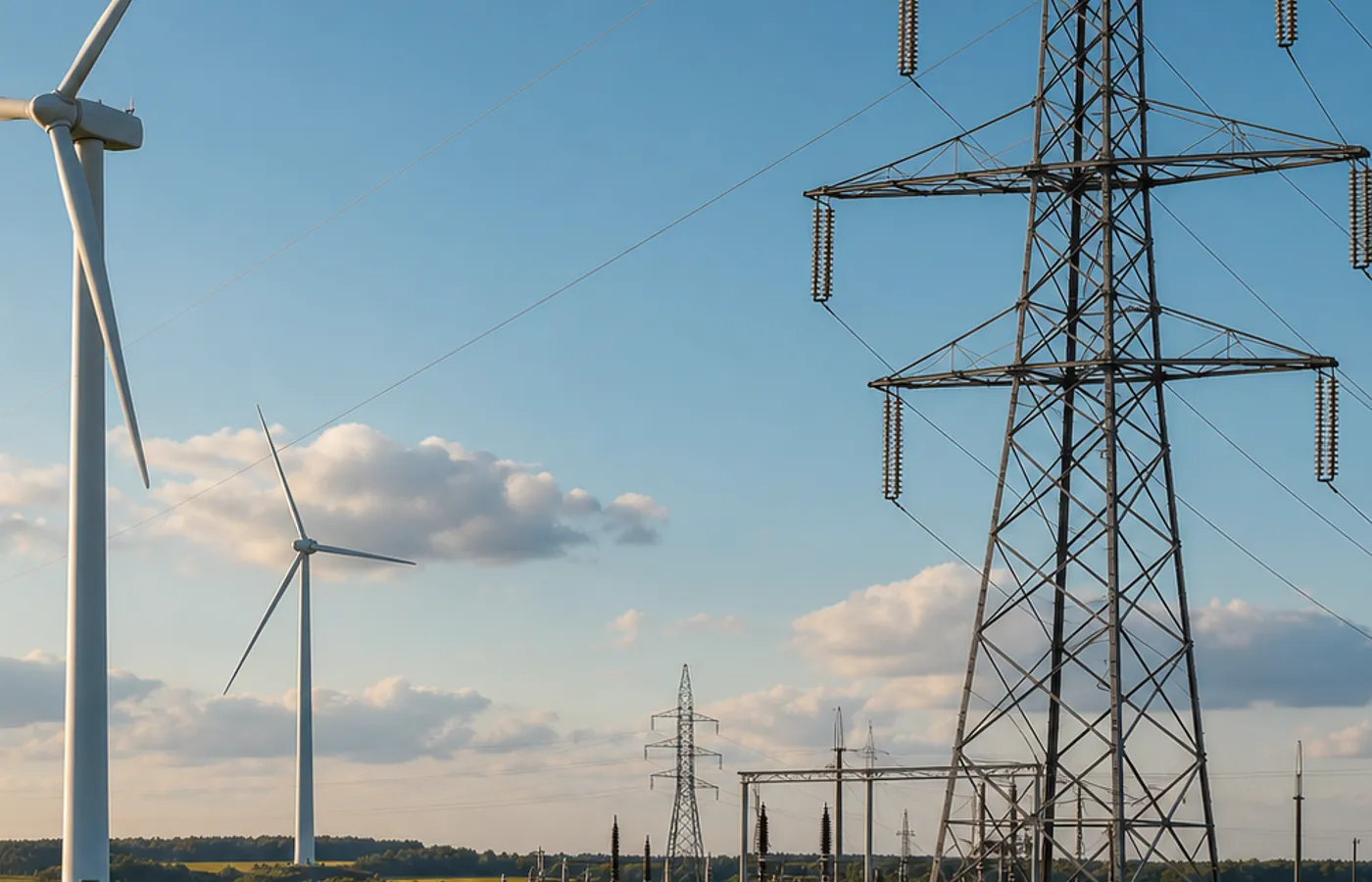
Onshore Wind Needs Better Community Benefit Models
-
Offshore Wind Ports Are Strategic Energy Infrastructure
-

Wind Power Still Matters for System Adequacy