Permian Gas Growth Needs Takeaway Proof
System Issue
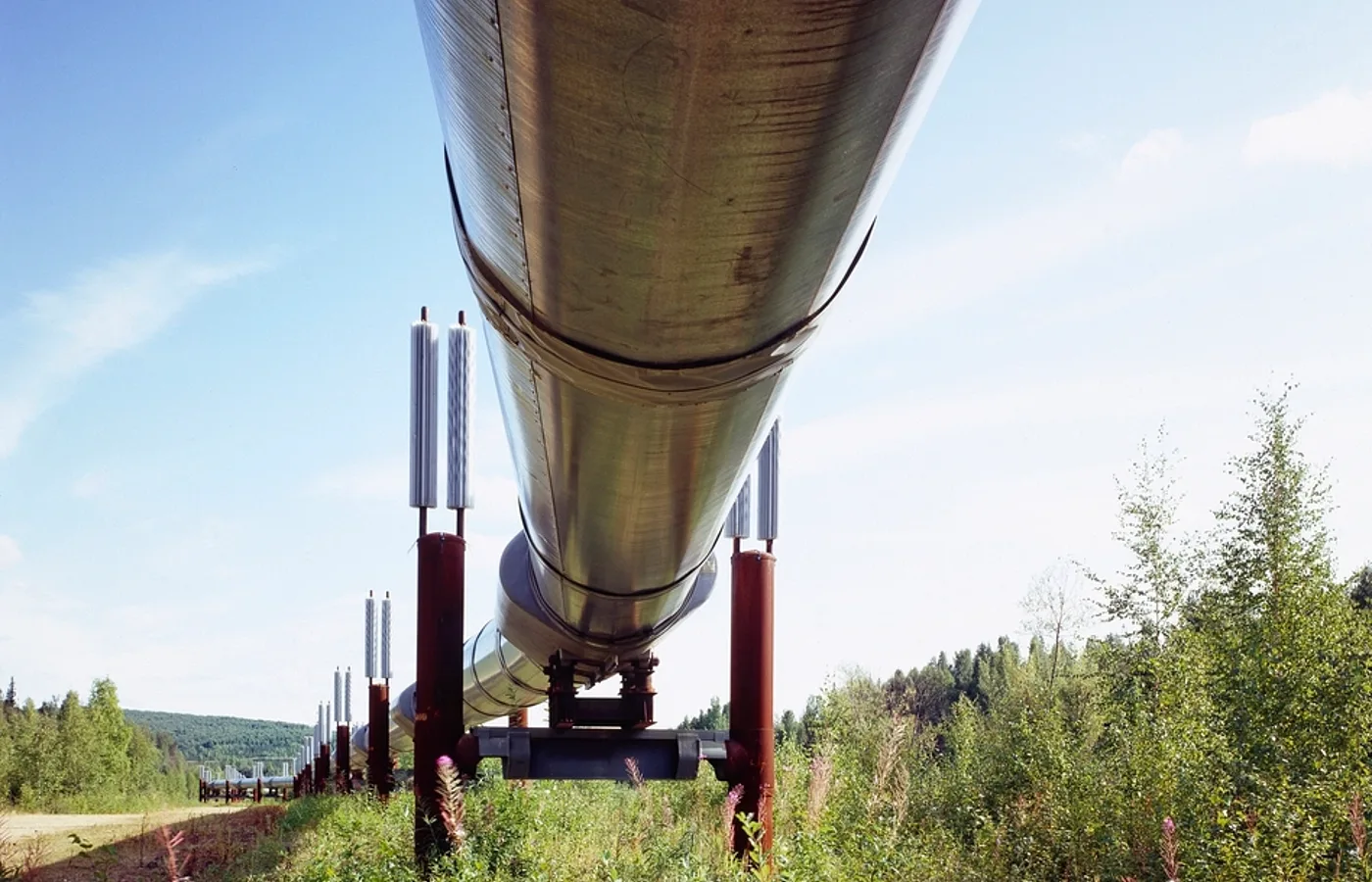
EIA has highlighted faster Permian natural gas production growth than crude oil growth. A reader can test the story by asking whether regional production needs takeaway capacity and processing before it can serve demand centers.
Permian Gas Growth Needs Takeaway Proof should be read through project files, operating limits and named counterparties. Capacity, policy support and corporate language all help, yet none of them proves delivery on its own. A strong article keeps the physical system in view: the wire, plant, meter, customer, permit and contract.
The strongest early clue sits in the constraint. In this case, regional production needs takeaway capacity and processing before it can serve demand centers. That wording keeps the discussion away from broad transition slogans. It also gives editors a standard for follow-up coverage when dates slip, costs change or a buyer changes its plan.
Files Worth Reading
The first document to request is the pipeline capacity. It should show who owns the obligation, when the obligation starts and which party carries the cost if the plan changes. A claim without that file can still be worth watching, but readers should treat it as an open lead rather than a settled case.
The second file is the processing plant status. This file often reveals whether the project has moved from a conference slide into utility, lender or regulator review. It also places the headline inside a real timeline. Dates matter because grid work, fuel supply, factory orders and safety reviews move on different calendars.
The basis spread and storage access complete the basic evidence set. Together they show whether the project can operate, earn revenue and survive public scrutiny. If one of those items is missing, the article should say so in plain language. Hiding a missing file makes the story cleaner than the asset.
Readers should also check the unit behind each number. A capacity figure does not equal delivered energy. A contract price may exclude congestion or firming. A certificate may cover a reporting boundary that differs from the plant boundary. Good coverage states the unit before it states the conclusion.
A small example helps. If a developer announces a natural gas project with a strong headline, the first review should list the promised service, the customer who needs it and the public file that proves the next step. That list may look plain, but it catches weak stories fast. It separates a real delivery path from a polished description.
Risk Allocation
The main risk is direct: supply growth can depress local prices while buyers elsewhere see little benefit. That risk deserves its own sentence because it can decide who benefits and who pays. A project can support cleaner supply while still creating a local cost dispute, a reliability gap or a financing problem.
Timing creates the second risk. Developers often control a project schedule less than the headline suggests. Grid studies, transformer delivery, port access, fuel supply, public hearings and tax-credit dates can pull in different directions. A reader should know which clock governs the next decision.
Cost transfer creates the third risk. If a project requires a network upgrade, reserve margin, safety plan or backup fuel contract, someone pays for it. The article should name the party when the record allows it. When the record does not allow it, the gap belongs in the story.
Operating proof creates the final risk. Contracts and targets do not dispatch equipment. Operators need meters, control rights, maintenance schedules, trained staff and settlement rules. The gap between a claim and those operating details often explains why a project moves slower than expected.
Editors should resist the urge to solve the uncertainty for the reader. The honest version names the known file, the missing file and the decision date. If the record shows progress, say where. If the record shows a gap, leave the gap visible. Energy readers can handle uncertainty when the article tells them where it sits.
Editorial Test
check the route from wellhead gas to the market that claims the savings. That test gives the reader a concrete next step instead of another broad view of the energy transition.
A useful archive should return to the same claim when the next public date arrives. That date may be a commission vote, an interconnection study, a construction notice, a shipment record or an operating report. Follow-up makes old articles more useful because it shows which claims survived contact with real delivery work.
This approach also improves search quality. A page that names documents, dates and operating tests can rank for long-tail queries from engineers, procurement teams and policy staff. Those readers do not need a louder headline. They need a page that helps them check a file and decide whether the claim deserves more attention.
Ark Energy should keep this style for similar stories: name the asset, name the document, state the next date and identify the party exposed to cost or performance risk. The result is less dramatic than a market prediction, but it gives engineers, investors and policy readers something they can check.
Reference trail
Related Reading
-

Gas in the Transition: Bridge Fuel or Long-Term Risk?
-

U.S. Gas Prices Stay Range-Bound Even as Power Demand
-

LNG Export Growth Is Pulling U.S. Gas Further Into
-

Gas-Fired Power Is Holding Its Role as Renewables Grow
-
Gas Supply Growth Is Keeping Price Pressure Contained
-

Methane Performance Will Shape the Future of Gas
-
LNG Contracts Need to Price Transition Risk
-

Floating AI Data Centers Put LNG Fuel Cells in the