Gas Supply Growth Is Keeping Price Pressure Contained
Natural Gas Supply Growth Is Keeping Price Pressure Contained is a practical energy-system question.
Fuel Market Context
Natural gas remains a balancing fuel in the energy transition, and the U.S. market shows why. EIA’s June 2026 Short-Term Energy Outlook expects marketed natural gas production to grow in 2026, helping keep Henry Hub price pressure relatively contained despite stronger demand from power generation and exports. The supply side is important because new LNG export capacity links U.S. gas more tightly to global demand. When domestic production grows faster than consumption, prices can remain range-bound. When export pull and weather-driven power demand rise together, the system becomes more sensitive to storage levels and pipeline constraints. For power markets, gas still plays a reliability role during peak demand, low renewable output and regional grid stress. That does not erase the growth of solar, wind and storage. It does show why the transition is likely to include gas flexibility for longer than simple capacity charts suggest. Gas planning should measure the infrastructure needed for reliability, the utilization rates that justify investment and the methane performance behind lower-carbon claims.
Start with whether production, storage, power burn and LNG exports interact differently across seasons. Public discussion often skips the operating details.
Reliability and Emissions
Next, test system fit: buyers should watch regional constraints as well as national benchmark prices. These constraints are not secondary details.
Commercially, gas remains a balancing fuel in many systems, especially during peak demand or low renewable output.
Signals to Watch
Accountability for the decision starts with the organization that controls pipeline capacity. The same record should identify who pays when plant dispatch costs more or arrives late. Without those names, readers cannot tell whether the plan manages risk or transfers it out of view.
A useful evidence file for the claim starts with storage inventories. Add customer cost allocation, the publication date of "U.S. EIA STEO - Natural Gas", and the next scheduled disclosure. Those items let a reader test the article's judgment without relying on a repeated market slogan.
For readers, the most practical test is this: the commercial question is how much gas flexibility is needed without overbuilding long-lived dependence.
Natural Gas Supply Growth Is Keeping Price Pressure Contained needs a basic test: evidence, timing and a clear route from plan to operation.
Related context
The background to gas supply growth keeping price pressure contained connects with LNG Export Growth Pulls U.S. Gas Into Global Markets. For a second gas supply growth keeping price pressure contained comparison, read U.S. Gas Prices Stay Range-Bound as Power Demand Rises. The policy or market side of gas supply growth keeping price pressure contained appears in Gas Peakers Are Being Redefined by Renewable Growth.
Next record to check
The next review of gas supply growth keeping price pressure contained needs a date for storage inventories and a separate date for fuel delivery terms. Use U.S. EIA Short-Term Energy Outlook, June 2026 to preserve the original reference point, then attach the later public record. This makes any revision traceable to a document rather than a change in editorial tone.
The next review of gas supply growth keeping price pressure contained needs a date for methane measurement and a separate date for LNG shipping exposure. Use U.S. EIA STEO - Natural Gas to preserve the original reference point, then attach the later public record. This makes any revision traceable to a document rather than a change in editorial tone.
A follow-up on gas supply growth keeping price pressure contained should compare LNG shipping exposure with customer cost allocation. U.S. EIA, Natural Gas Weekly Update supplies the dated baseline, while the next filing or measured result should show what changed. The update should state whether the new evidence alters cost, delivery or the operating conclusion.
A follow-up on gas supply growth keeping price pressure contained should compare storage inventories with pipeline capacity. U.S. EIA Short-Term Energy Outlook, June 2026 supplies the dated baseline, while the next filing or measured result should show what changed. The update should state whether the new evidence alters cost, delivery or the operating conclusion.
For gas supply growth keeping price pressure contained, keep one compact file containing pipeline capacity, methane measurement and the next responsible party. The source U.S. EIA STEO - Natural Gas anchors the current reading. A later update should explain which assumption moved and why that movement changes the practical decision.
The next review of gas supply growth keeping price pressure contained needs a date for fuel delivery terms and a separate date for methane measurement. Use U.S. EIA, Natural Gas Weekly Update to preserve the original reference point, then attach the later public record. This makes any revision traceable to a document rather than a change in editorial tone.
Sources reviewed
Related Reading
-

Gas in the Transition: Bridge Fuel or Long-Term Risk?
-
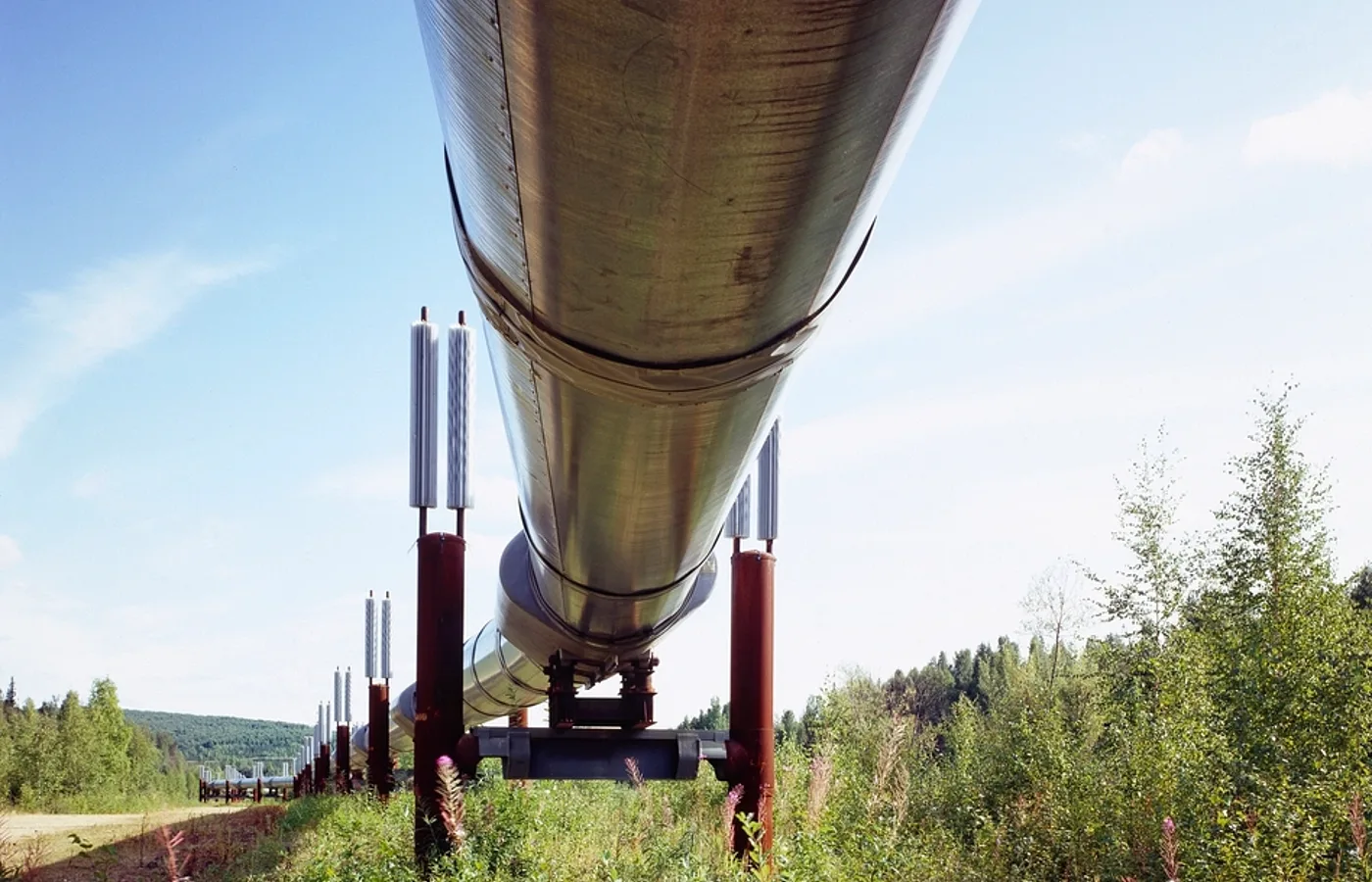
U.S. Gas Prices Stay Range-Bound as Power Demand Rises
-

LNG Export Growth Pulls U.S. Gas Into Global Markets
-

Gas-Fired Power Is Holding Its Role as Renewables Grow
-
Gas Supply Growth Is Keeping Price Pressure Contained
-

Methane Performance Will Shape the Future of Gas
-
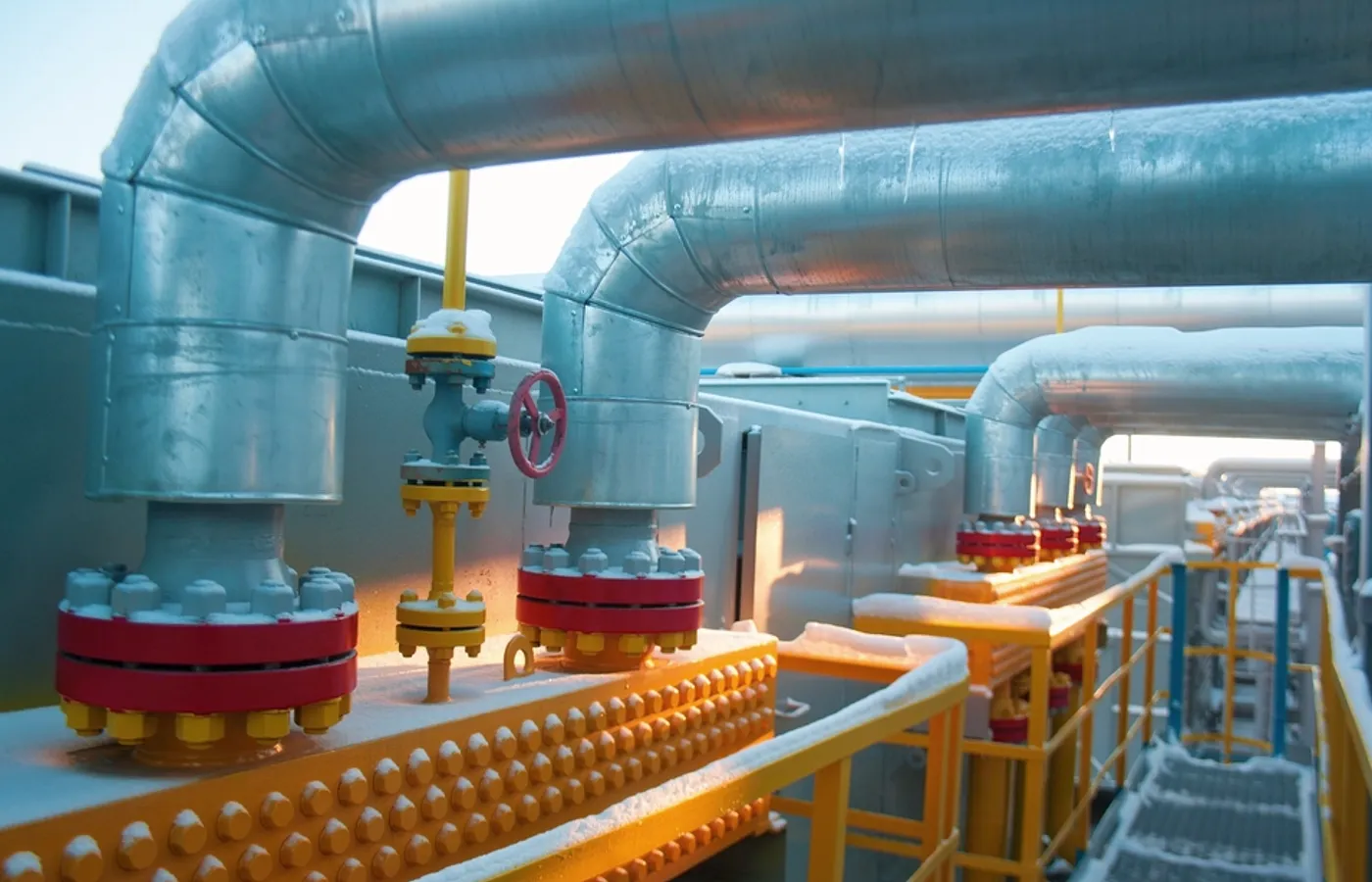
LNG Contracts Need to Price Transition Risk
-

Floating Data Centers Put LNG Fuel Cells in the Spotlight