U.S. Gas Prices Stay Range-Bound as Power Demand Rises
U.S. Gas Prices Stay Range-Bound Even as Power Demand Rises is a practical energy-system question.
Fuel Market Context
The June 2026 EIA Short-Term Energy Outlook gives a useful snapshot of the U.S. gas market: warmer weather is lifting electric power demand, but supply growth is keeping prices relatively contained. EIA expects Henry Hub to average about $3.34/MMBtu in the second half of 2026. That balance matters for power markets because gas remains a major source of dispatchable electricity. When summer heat increases cooling demand, gas plants often provide the flexible generation that supports the grid during peak hours. At the same time, LNG exports are rising. EIA lists U.S. LNG exports increasing from 15.1 Bcf/d in 2025 to 17.2 Bcf/d in 2026 and 18.6 Bcf/d in 2027. Export growth can tighten the market even when domestic production is strong. For clean energy readers, the gas price signal is important because it affects renewable competitiveness, storage arbitrage and power purchase economics. A flat gas market can slow some switching incentives, but growing peak demand still creates room for solar, wind and batteries.
Start with whether power-sector demand, weather and LNG exports pull the market in different directions. Public discussion often skips the operating details.
Reliability and Emissions
Next, test system fit: Henry Hub prices are a signal, but regional pipeline constraints can tell a different story. These constraints are not secondary details.
Commercially, buyers should watch production growth, storage levels and export utilization together.
Signals to Watch
The rule behind the decision should specify plant dispatch, a reporting date, and the consequence for missing LNG shipping exposure. Regulators and project sponsors can disagree on design, but the public should still be able to see who has authority to act. That clarity makes later corrections possible.
Finally, ask who pays, who benefits, and what data would change the conclusion.
For readers, the most practical test is this: gas price stability is conditional, not guaranteed, in a more electrified economy.
U.S. Gas Prices Stay Range-Bound Even as Power Demand Rises needs a basic test: evidence, timing and a clear route from plan to operation.
Timing changes the value of the project. A resource that helps with plant dispatch this year may do little for storage inventories several years later, and the reverse can also be true. The article should keep those clocks separate when it compares costs and reliability.
Related context
The background to u s gas prices stay range-bound power demand rises connects with LNG Export Growth Pulls U.S. Gas Into Global Markets. For a second u s gas prices stay range-bound power demand rises comparison, read Gas Prices Need Power Burn Context. The policy or market side of u s gas prices stay range-bound power demand rises appears in Gas Supply Growth Is Keeping Price Pressure Contained.
Next record to check
The next review of u s gas prices stay range-bound power demand rises needs a date for LNG shipping exposure and a separate date for plant dispatch. Use EIA, Short-Term Energy Outlook, June 2026 to preserve the original reference point, then attach the later public record. This makes any revision traceable to a document rather than a change in editorial tone.
The next review of u s gas prices stay range-bound power demand rises needs a date for storage inventories and a separate date for fuel delivery terms. Use U.S. EIA STEO - Natural Gas to preserve the original reference point, then attach the later public record. This makes any revision traceable to a document rather than a change in editorial tone.
A follow-up on u s gas prices stay range-bound power demand rises should compare LNG shipping exposure with methane measurement. U.S. EIA, Natural Gas supplies the dated baseline, while the next filing or measured result should show what changed. The update should state whether the new evidence alters cost, delivery or the operating conclusion.
The next review of u s gas prices stay range-bound power demand rises needs a date for LNG shipping exposure and a separate date for methane measurement. Use EIA, Short-Term Energy Outlook, June 2026 to preserve the original reference point, then attach the later public record. This makes any revision traceable to a document rather than a change in editorial tone.
The next review of u s gas prices stay range-bound power demand rises needs a date for customer cost allocation and a separate date for methane measurement. Use U.S. EIA STEO - Natural Gas to preserve the original reference point, then attach the later public record. This makes any revision traceable to a document rather than a change in editorial tone.
Sources reviewed
Related Reading
-

Gas in the Transition: Bridge Fuel or Long-Term Risk?
-
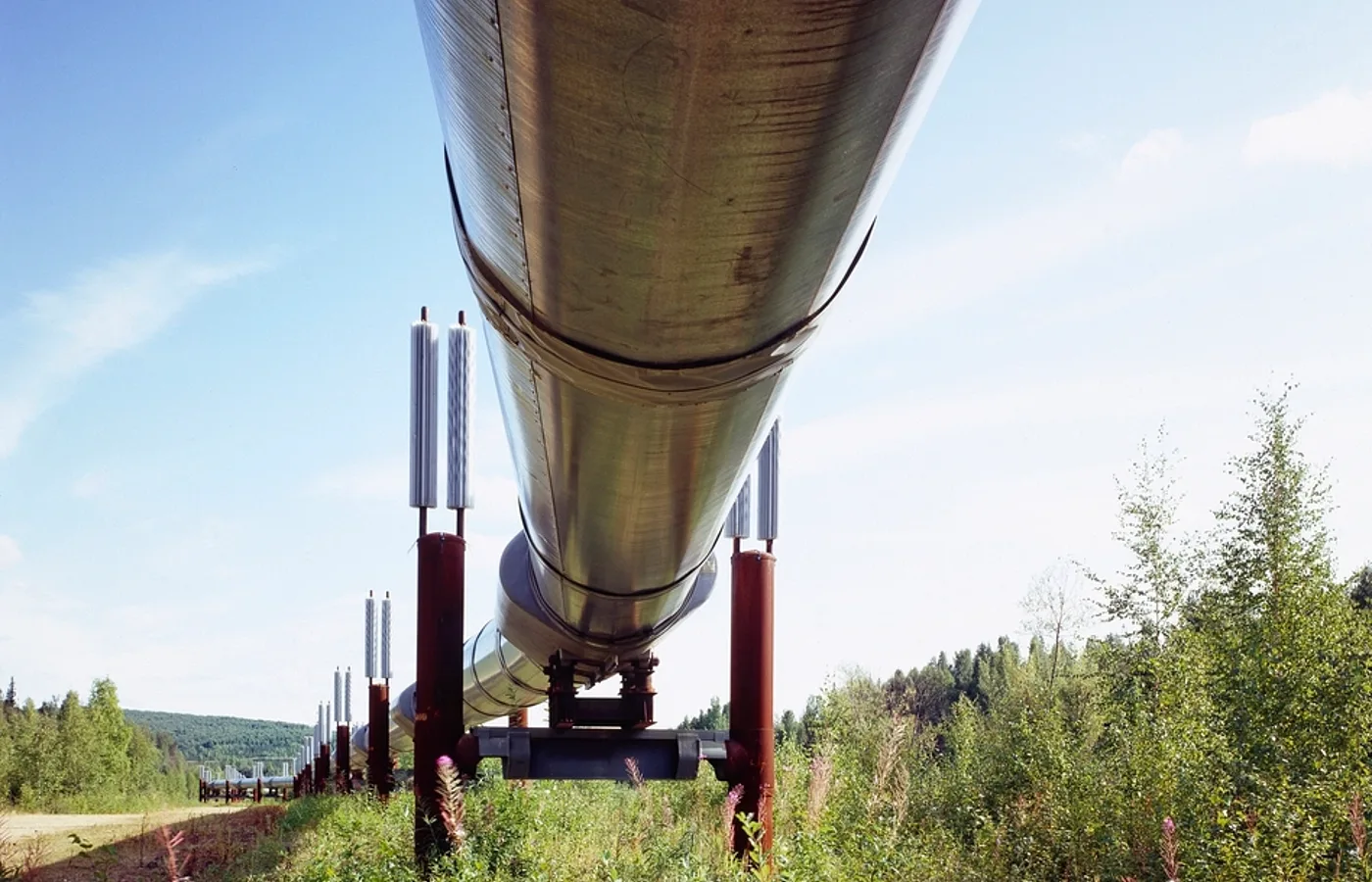
U.S. Gas Prices Stay Range-Bound as Power Demand Rises
-

LNG Export Growth Pulls U.S. Gas Into Global Markets
-

Gas-Fired Power Is Holding Its Role as Renewables Grow
-
Gas Supply Growth Is Keeping Price Pressure Contained
-

Methane Performance Will Shape the Future of Gas
-
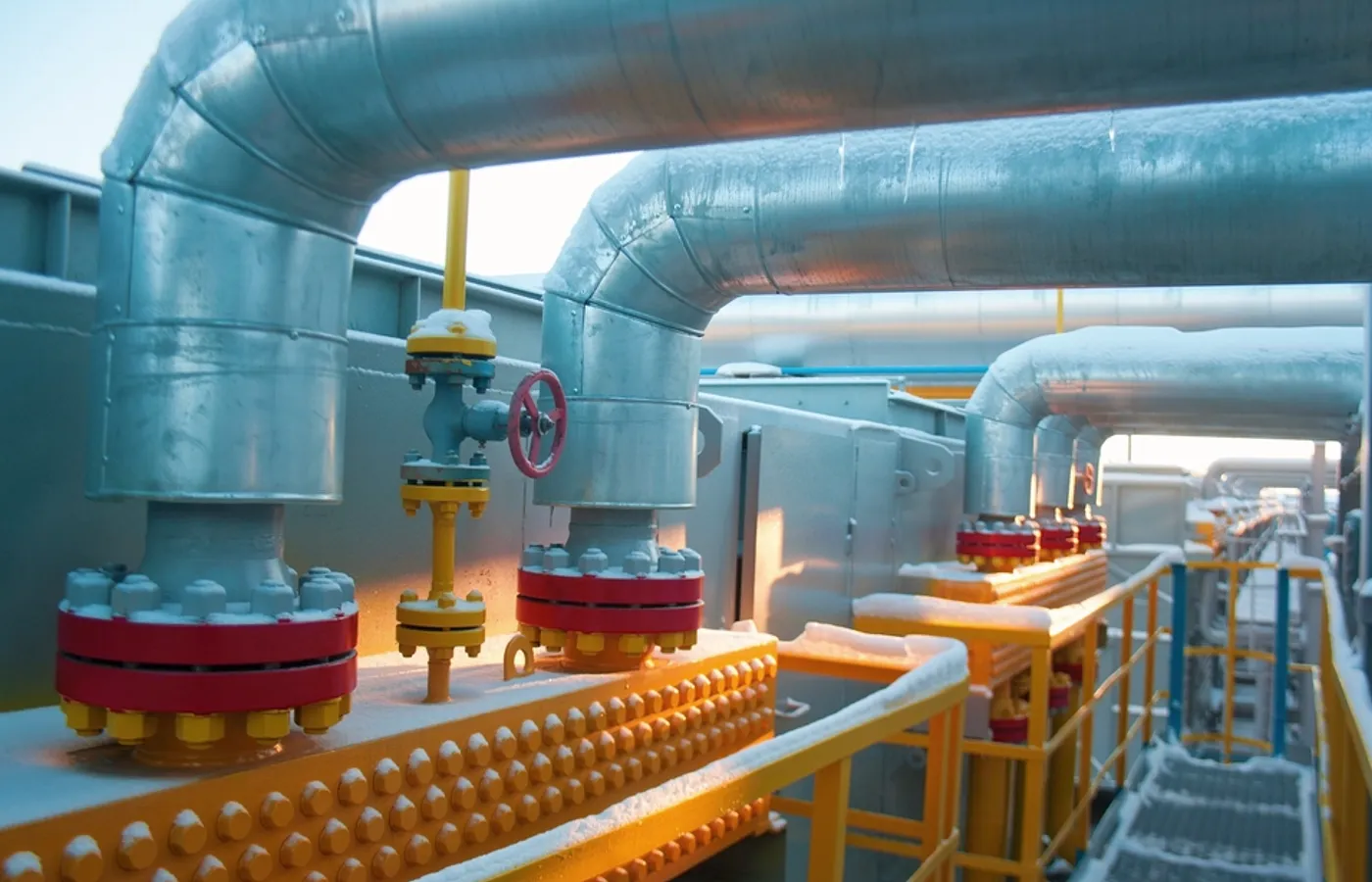
LNG Contracts Need to Price Transition Risk
-

Floating Data Centers Put LNG Fuel Cells in the Spotlight