Gas-Fired Power Is Holding Its Role as Renewables Grow
Keep the original claim about the issue beside the next dated record for plant dispatch. When storage inventories changes, update the article's conclusion and note what caused the revision. This simple file history gives readers a way to distinguish a developing result from a headline that was never checked again.
Fuel Market Context
Gas-fired power remains a central part of the U.S. electricity system even as renewables expand. EIA expects natural gas to generate about the same amount of electricity in summer 2026 as it did in summer 2025, while solar and wind generation rise. That pattern illustrates the current transition rather than contradicting it. Renewables are supplying incremental growth, but dispatchable resources still support peak demand, weather variability and reliability requirements. The commercial question is how long gas assets run, what services they provide and whether they can recover costs in markets with rising renewable penetration. Some plants may operate fewer hours but remain valuable during peaks. For policy and investment analysis, the issue is not gas versus renewables in a simple binary. It is how fast grids can add storage, transmission and demand flexibility while maintaining reliability and reducing emissions.
Start with whether the key question is how often plants run and what emissions profile their fuel carries. Public discussion often skips the operating details.
Reliability and Emissions
Next, test system fit: gas can provide ramping and backup, but overbuilding can lock in fuel dependence. These constraints are not secondary details.
Commercially, planning should compare gas with storage, transmission, demand flexibility and firm clean resources.
Signals to Watch
The rule behind the decision should specify customer cost allocation, a reporting date, and the consequence for missing methane measurement. Regulators and project sponsors can disagree on design, but the public should still be able to see who has authority to act. That clarity makes later corrections possible.
The record for the claim should name customer cost allocation, methane measurement, and the date attached to each. Readers can use "IEA, Global Energy Review 2025" as a baseline and then compare it with the next filing or operating report. That sequence keeps the claim about the claim tied to evidence that another person can retrieve.
For readers, the most practical test is this: the future of gas power is likely more about flexibility than baseload growth.
Gas-Fired Power Is Holding Its Role as Renewables Grow needs a basic test: evidence, timing and a clear route from plan to operation.
The schedule for the project should separate the next operating season from the financing and construction calendar. Fuel delivery terms may move faster than winter reliability, so a single completion date hides the real dependency. Track the next public milestone and revise the conclusion when that date slips or closes.
Related context
The background to gas-fired power holding role renewables grow connects with U.S. Gas Prices Stay Range-Bound as Power Demand Rises. For a second gas-fired power holding role renewables grow comparison, read Gas-Fired Data Centers Raise a New Transition Question. The policy or market side of gas-fired power holding role renewables grow appears in Gas-Fired Shadow Grids Could Complicate Emissions.
Next record to check
A follow-up on gas-fired power holding role renewables grow should compare LNG shipping exposure with customer cost allocation. EIA, Short-Term Energy Outlook, June 2026 supplies the dated baseline, while the next filing or measured result should show what changed. The update should state whether the new evidence alters cost, delivery or the operating conclusion.
The next review of gas-fired power holding role renewables grow needs a date for LNG shipping exposure and a separate date for plant dispatch. Use U.S. EIA STEO - Natural Gas to preserve the original reference point, then attach the later public record. This makes any revision traceable to a document rather than a change in editorial tone.
For gas-fired power holding role renewables grow, keep one compact file containing storage inventories, plant dispatch and the next responsible party. The source IEA, Global Energy Review 2025 anchors the current reading. A later update should explain which assumption moved and why that movement changes the practical decision.
The next review of gas-fired power holding role renewables grow needs a date for winter reliability and a separate date for LNG shipping exposure. Use EIA, Short-Term Energy Outlook, June 2026 to preserve the original reference point, then attach the later public record. This makes any revision traceable to a document rather than a change in editorial tone.
The next review of gas-fired power holding role renewables grow needs a date for customer cost allocation and a separate date for plant dispatch. Use U.S. EIA STEO - Natural Gas to preserve the original reference point, then attach the later public record. This makes any revision traceable to a document rather than a change in editorial tone.
Sources reviewed
Related Reading
-

Gas in the Transition: Bridge Fuel or Long-Term Risk?
-
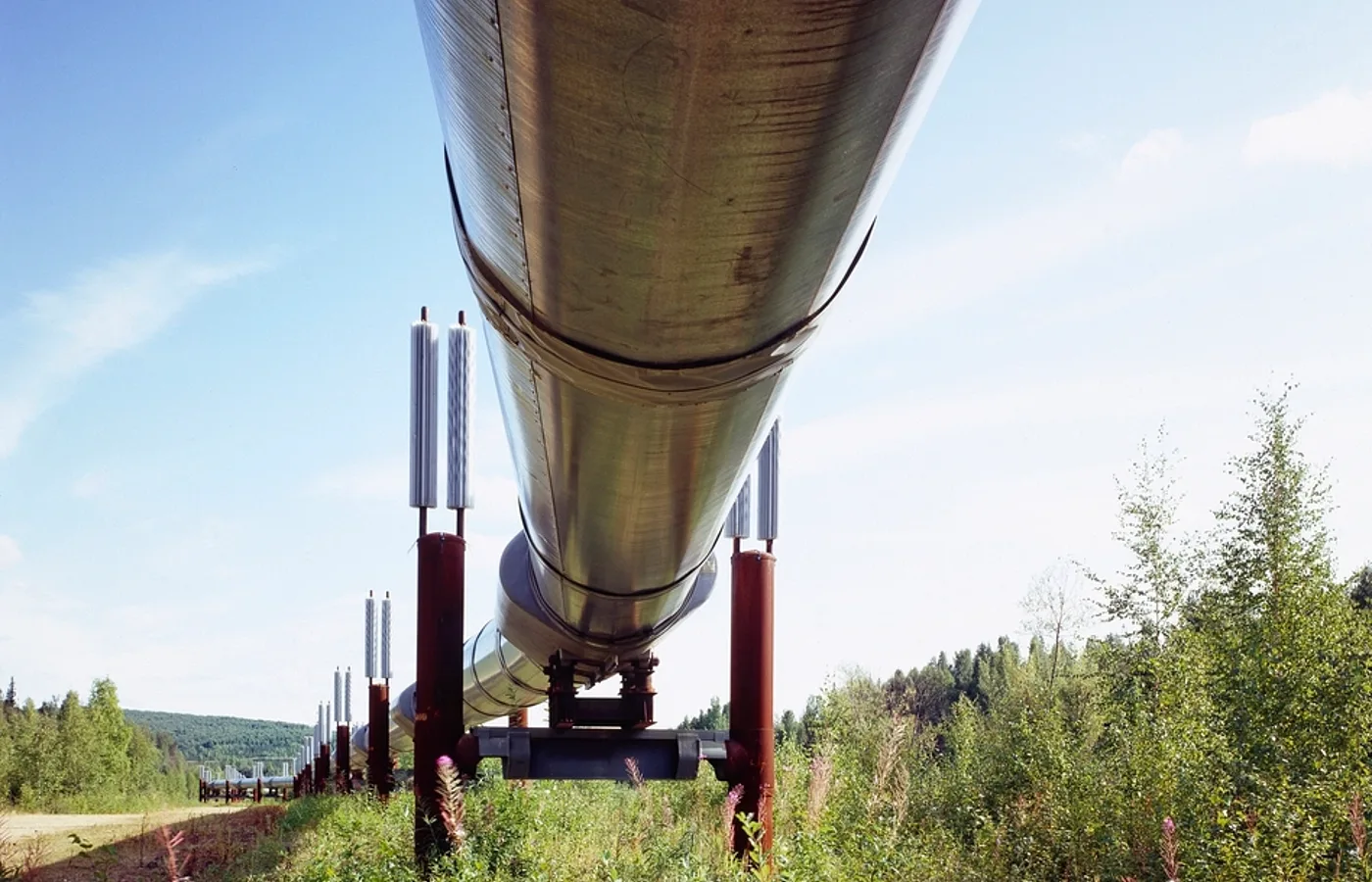
U.S. Gas Prices Stay Range-Bound as Power Demand Rises
-

LNG Export Growth Pulls U.S. Gas Into Global Markets
-

Gas-Fired Power Is Holding Its Role as Renewables Grow
-
Gas Supply Growth Is Keeping Price Pressure Contained
-

Methane Performance Will Shape the Future of Gas
-
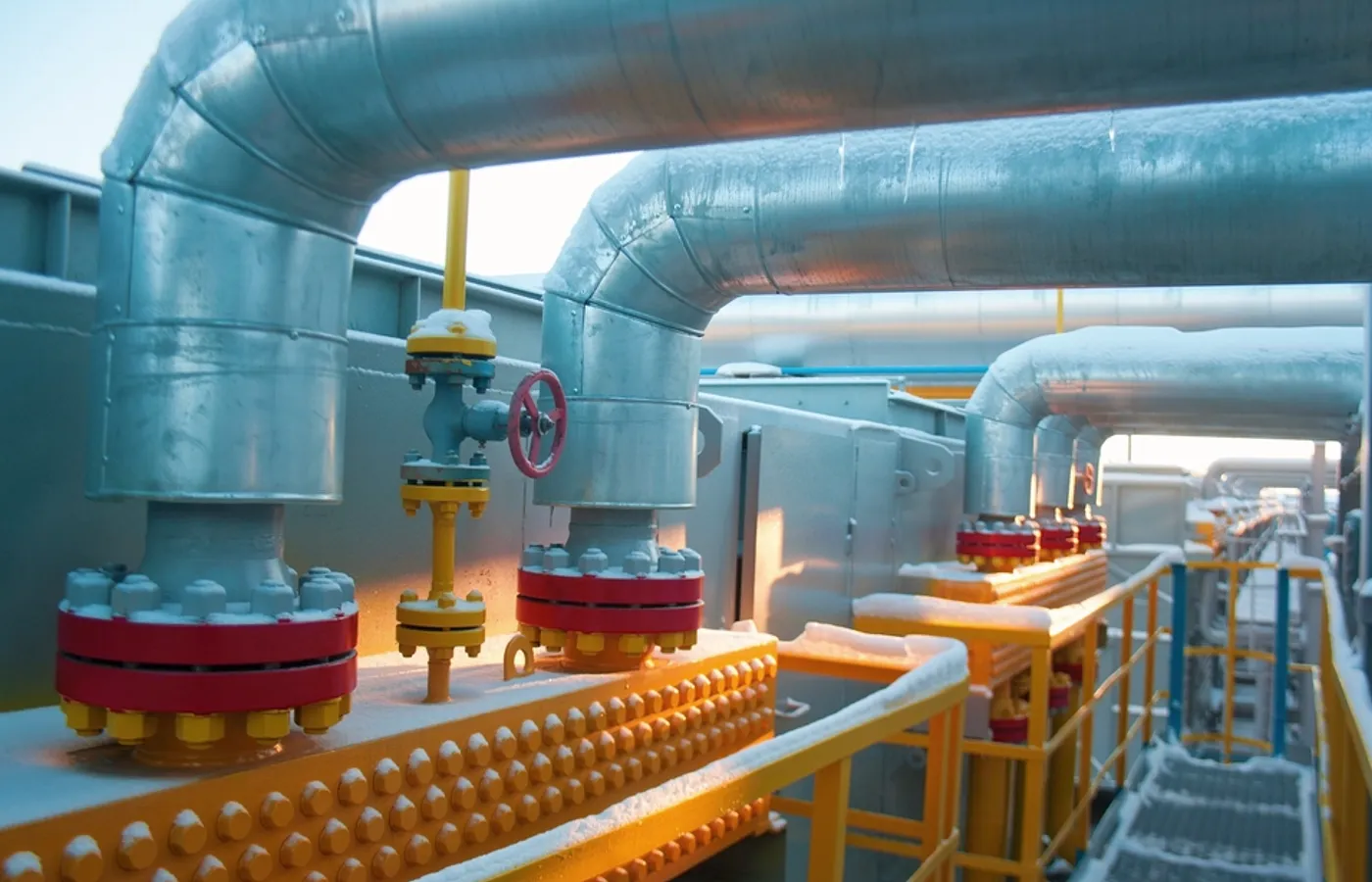
LNG Contracts Need to Price Transition Risk
-

Floating Data Centers Put LNG Fuel Cells in the Spotlight