Gas in the Transition: Bridge Fuel or Long-Term Risk?
Stress-test the project against a delay in LNG shipping exposure and a weak result for plant dispatch. Then state which party can resize, defer, or cancel the commitment. That adjustment path often matters more than the smooth base-case forecast.
Fuel Market Context
Natural gas is often described as a bridge fuel because gas-fired power plants can produce electricity with lower direct carbon dioxide emissions than coal plants and can ramp output quickly when wind or solar generation changes. That flexibility gives gas an important role in many power systems today. The bridge-fuel argument has limits. Methane leakage, long-lived infrastructure, fuel-price volatility, and carbon targets all make gas planning more complicated. A gas plant built today may operate for decades, so investors and policymakers need to understand whether it will remain useful under tighter climate rules. Where gas still fits Gas is most valuable where it replaces higher-emission coal, supports grid reliability, or provides backup during periods of low renewable output. It can also support industrial heat and feedstock needs that are not easy to electrify immediately. The risk side The risk is overbuilding. If a region adds too much gas capacity just as renewables, storage, transmission, and demand response become cheaper, some assets may run less often than expected. That can create stranded-asset risk and higher costs for consumers.
Start with whether the fuel can support power systems during renewable variability, but it can also delay cleaner alternatives if overbuilt. Public discussion often skips the operating details.
Reliability and Emissions
Next, test system fit: methane control, plant utilization and contract length decide whether gas is a bridge or a lock-in. These constraints are not secondary details.
Commercially, buyers should compare gas with storage, demand response, transmission and direct electrification.
Signals to Watch
For the decision, governance belongs in the operating case. Contracts and permits should show who approves storage inventories, who verifies customer cost allocation, and where a customer can challenge an error. Those details matter after the launch coverage has faded.
For the claim, begin with LNG shipping exposure and customer cost allocation. The cited item "IEA Gas Market Report, Q1-2026" gives the reader a dated reference point, but the article still needs the next measured result. A change in LNG shipping exposure would alter the reading of the claim even if the public headline stayed the same.
For readers, the most practical test is this: the strongest strategy treats gas as a managed flexibility tool rather than a default growth fuel.
Natural Gas in the Energy Transition: Bridge Fuel or Long-Term Risk? needs a basic test: evidence, timing and a clear route from plan to operation.
Related context
The background to gas transition bridge fuel long-term risk connects with LNG Contracts Need to Price Transition Risk. For a second gas transition bridge fuel long-term risk comparison, read Gas Price Stability Can Hide Regional Power Risk. The policy or market side of gas transition bridge fuel long-term risk appears in Gas Networks Need Customer Transition Plans.
Next record to check
A follow-up on gas transition bridge fuel long-term risk should compare customer cost allocation with LNG shipping exposure. U.S. EIA Short-Term Energy Outlook supplies the dated baseline, while the next filing or measured result should show what changed. The update should state whether the new evidence alters cost, delivery or the operating conclusion.
For gas transition bridge fuel long-term risk, keep one compact file containing LNG shipping exposure, plant dispatch and the next responsible party. The source U.S. EIA STEO Natural Gas anchors the current reading. A later update should explain which assumption moved and why that movement changes the practical decision.
A follow-up on gas transition bridge fuel long-term risk should compare pipeline capacity with fuel delivery terms. IEA Gas Market Report, Q1-2026 supplies the dated baseline, while the next filing or measured result should show what changed. The update should state whether the new evidence alters cost, delivery or the operating conclusion.
For gas transition bridge fuel long-term risk, keep one compact file containing winter reliability, storage inventories and the next responsible party. The source U.S. EIA Short-Term Energy Outlook anchors the current reading. A later update should explain which assumption moved and why that movement changes the practical decision.
A follow-up on gas transition bridge fuel long-term risk should compare methane measurement with winter reliability. U.S. EIA STEO Natural Gas supplies the dated baseline, while the next filing or measured result should show what changed. The update should state whether the new evidence alters cost, delivery or the operating conclusion.
The next review of gas transition bridge fuel long-term risk needs a date for LNG shipping exposure and a separate date for customer cost allocation. Use IEA Gas Market Report, Q1-2026 to preserve the original reference point, then attach the later public record. This makes any revision traceable to a document rather than a change in editorial tone.
Sources reviewed
Related Reading
-
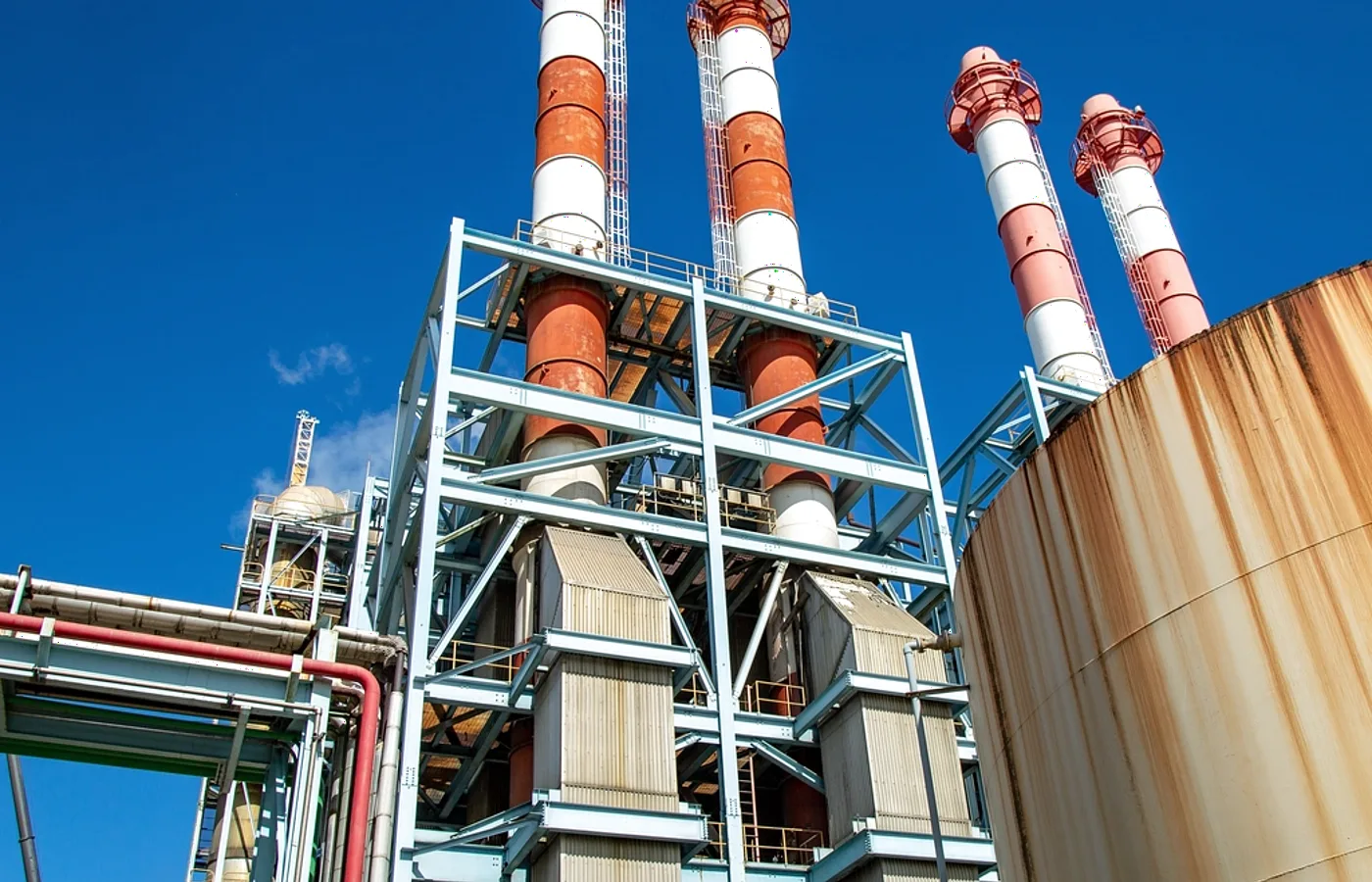
Gas in the Transition: Bridge Fuel or Long-Term Risk?
-
U.S. Gas Prices Stay Range-Bound as Power Demand Rises
-

LNG Export Growth Pulls U.S. Gas Into Global Markets
-

Gas-Fired Power Is Holding Its Role as Renewables Grow
-
Gas Supply Growth Is Keeping Price Pressure Contained
-

Methane Performance Will Shape the Future of Gas
-
LNG Contracts Need to Price Transition Risk
-

Floating Data Centers Put LNG Fuel Cells in the Spotlight