Battery Storage Basics: Why Grid Flexibility Matters
Battery Storage Basics: Why Flexibility Is Becoming Valuable belongs in the storage and flexibility debate because it affects how projects get planned, financed and operated.
Flexibility Need
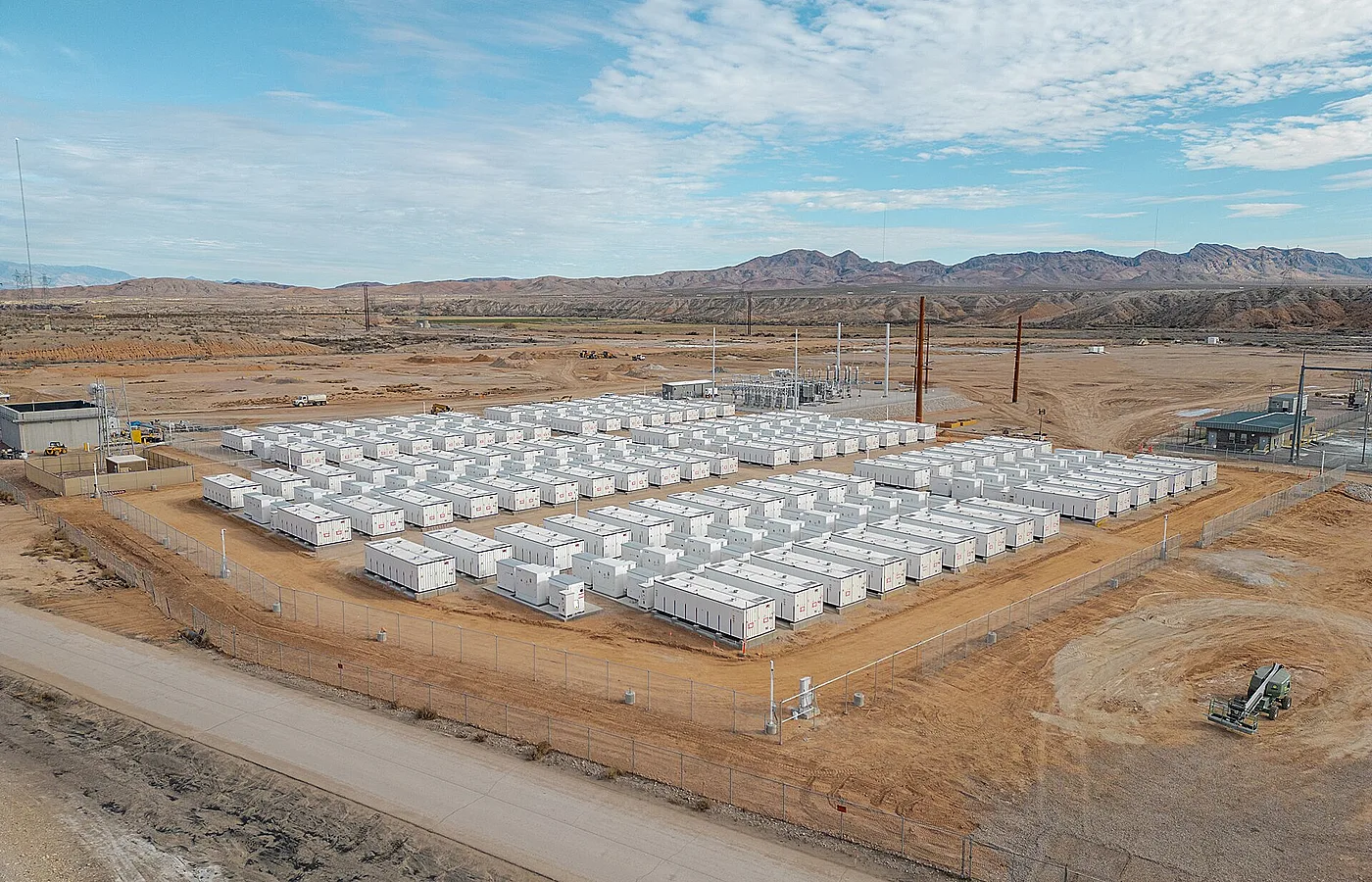
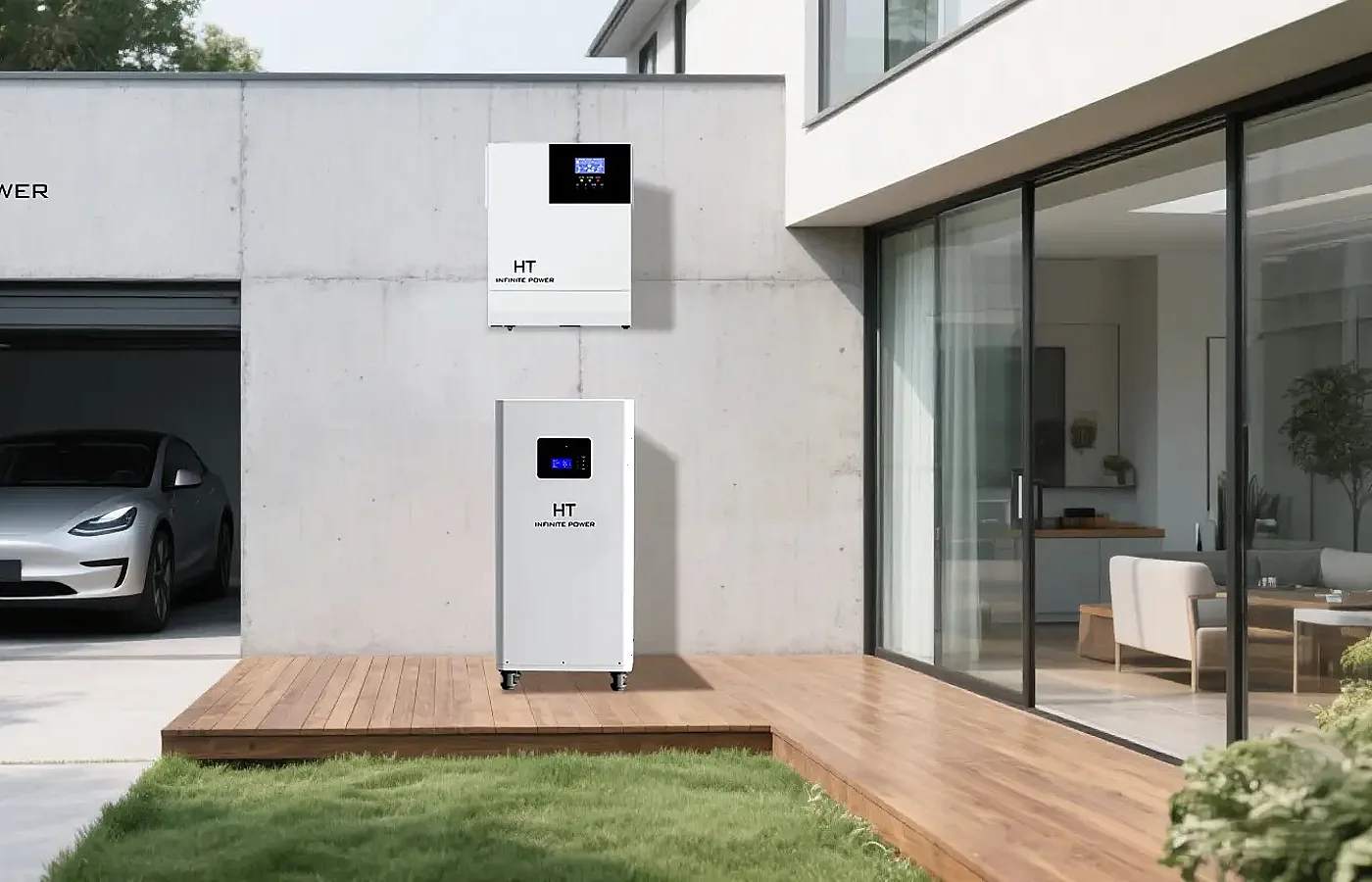
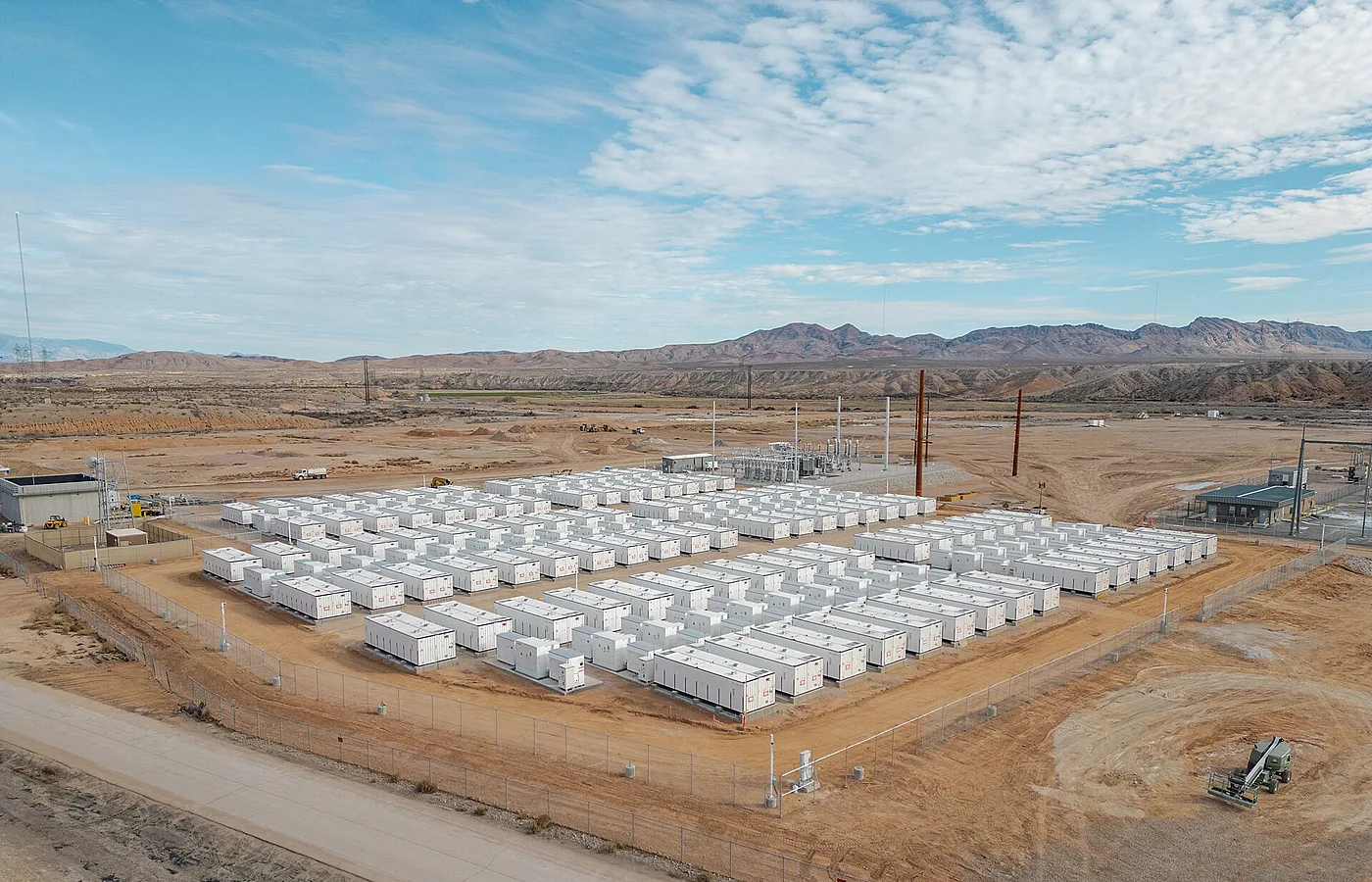
Battery storage does not create energy by itself. It stores electricity when supply is abundant or prices are low, then releases electricity when demand rises or the grid needs support. This makes storage a flexibility tool rather than a primary fuel source. Most grid-scale battery systems today use lithium-ion technology because it responds quickly and has become commercially mature. Batteries can support renewable integration, reduce peak demand stress, and provide services that help keep grid frequency stable. Duration matters A four-hour battery solves different problems from a multi-day storage system. Shorter-duration batteries are useful for daily peaks and grid services. Longer-duration storage may become more important as power systems rely on larger shares of weather-dependent generation. What drives investment Storage revenue can come from energy price differences, capacity markets, ancillary services, and contracts with utilities or large customers. The business case changes quickly when market rules, renewable penetration, or battery costs change.
Start with whether the core service is flexibility, not storing renewable power for branding purposes. Public discussion often skips the operating details.
Commercial Design
Next, test system fit: short-duration batteries, long-duration storage and grid controls solve different problems. These constraints are not secondary details.
Commercially, revenue depends on price spreads, capacity rules, ancillary services and avoided network costs.
Signals to Watch
For the decision, governance belongs in the operating case. Contracts and permits should show who approves interconnection limits, who verifies replacement cost, and where a customer can challenge an error. Those details matter after the launch coverage has faded.
For the claim, begin with fire-safety requirements and degradation assumptions. The cited item "IEA Electricity 2026" gives the reader a dated reference point, but the article still needs the next measured result. A change in fire-safety requirements would alter the reading of the claim even if the public headline stayed the same.
The practical test asks what specific grid problem a storage project is paid to solve.
Battery Storage Basics: Why Flexibility Is Becoming Valuable needs a basic test: evidence, timing and a clear route from plan to operation.
Related context
The background to battery storage basics grid flexibility matters connects with Battery Storage Moves From Renewable Add-On to Grid Asset. For a second battery storage basics grid flexibility matters comparison, read Firm Renewables Move Storage Beyond Simple Price Arbitrage. The policy or market side of battery storage basics grid flexibility matters appears in Storage Duration Should Follow the Grid Problem.
Next record to check
A follow-up on battery storage basics grid flexibility matters should compare fire-safety requirements with discharge duration. IRENA 24/7 Renewables supplies the dated baseline, while the next filing or measured result should show what changed. The update should state whether the new evidence alters cost, delivery or the operating conclusion.
The next review of battery storage basics grid flexibility matters needs a date for dispatch rights and a separate date for warranty throughput. Use IEA Electricity 2026 to preserve the original reference point, then attach the later public record. This makes any revision traceable to a document rather than a change in editorial tone.
The next review of battery storage basics grid flexibility matters needs a date for fire-safety requirements and a separate date for replacement cost. Use IEA World Energy Investment 2026 to preserve the original reference point, then attach the later public record. This makes any revision traceable to a document rather than a change in editorial tone.
A follow-up on battery storage basics grid flexibility matters should compare fire-safety requirements with degradation assumptions. IRENA 24/7 Renewables supplies the dated baseline, while the next filing or measured result should show what changed. The update should state whether the new evidence alters cost, delivery or the operating conclusion.
For battery storage basics grid flexibility matters, keep one compact file containing interconnection limits, fire-safety requirements and the next responsible party. The source IEA Electricity 2026 anchors the current reading. A later update should explain which assumption moved and why that movement changes the practical decision.
The next review of battery storage basics grid flexibility matters needs a date for replacement cost and a separate date for dispatch rights. Use IEA World Energy Investment 2026 to preserve the original reference point, then attach the later public record. This makes any revision traceable to a document rather than a change in editorial tone.
The next review of battery storage basics grid flexibility matters needs a date for dispatch rights and a separate date for degradation assumptions. Use IRENA 24/7 Renewables to preserve the original reference point, then attach the later public record. This makes any revision traceable to a document rather than a change in editorial tone.
Sources reviewed
Related Reading
-
Battery Storage Basics: Why Grid Flexibility Matters
-

Battery Storage Moves From Renewable Add-On to Grid Asset
-
Grid-Interactive UPS Systems Could Make Data Centers Flexible
-
Firm Renewables Move Storage Beyond Simple Price Arbitrage
-

Long-Duration Storage Needs a Procurement Model
-
Grid-Scale Batteries Need More Than One Revenue Stream
-
Thermal Storage Deserves More Attention in Industrial Heat
-
Pumped Hydro Modernization Is a Hidden Storage Opportunity