Firm Renewables Move Storage Beyond Simple Price Arbitrage
Keep the original claim about the issue beside the next dated record for dispatch rights. When warranty throughput changes, update the article's conclusion and note what caused the revision. This simple file history gives readers a way to distinguish a developing result from a headline that was never checked again.
Flexibility Need
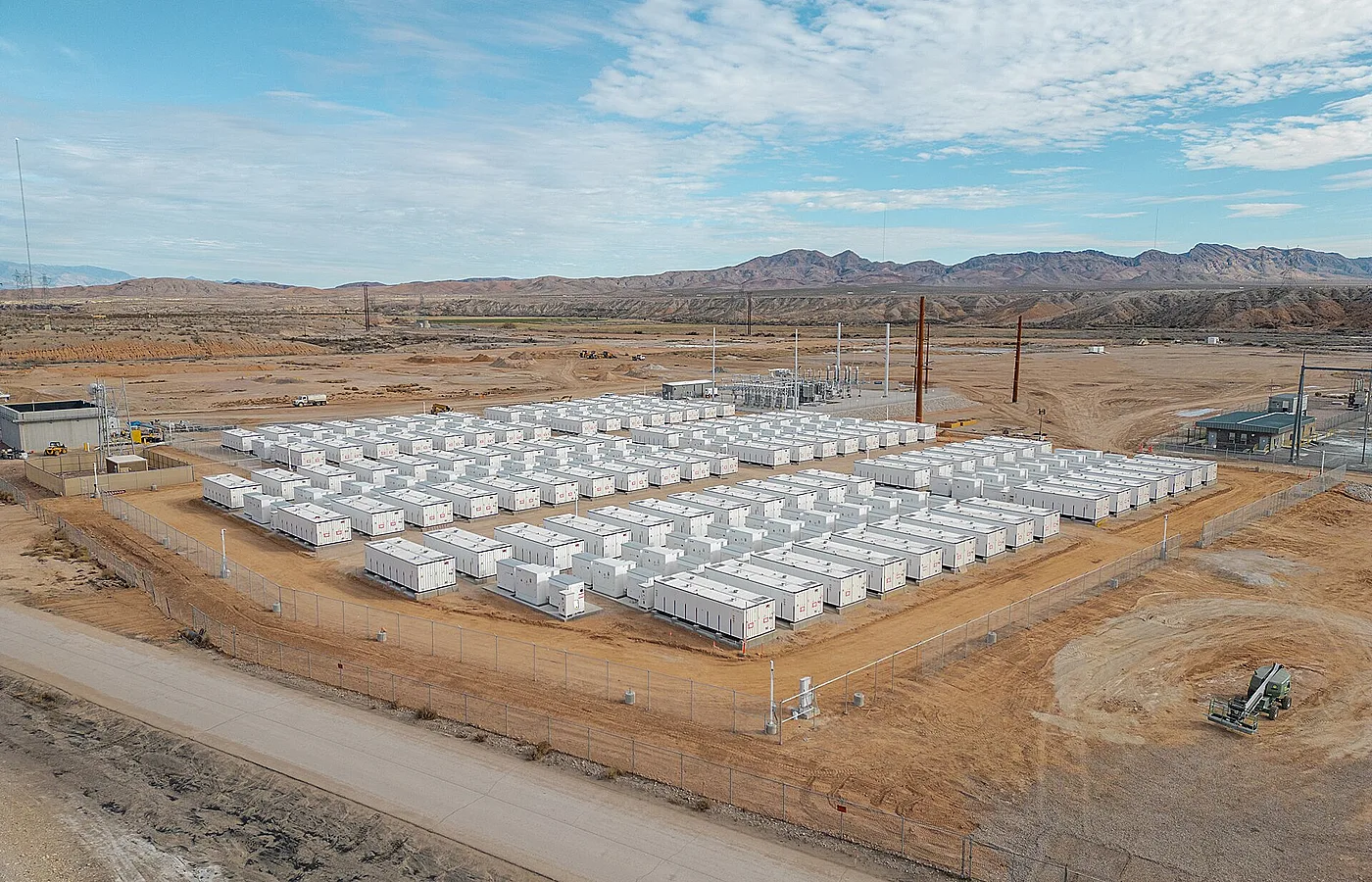
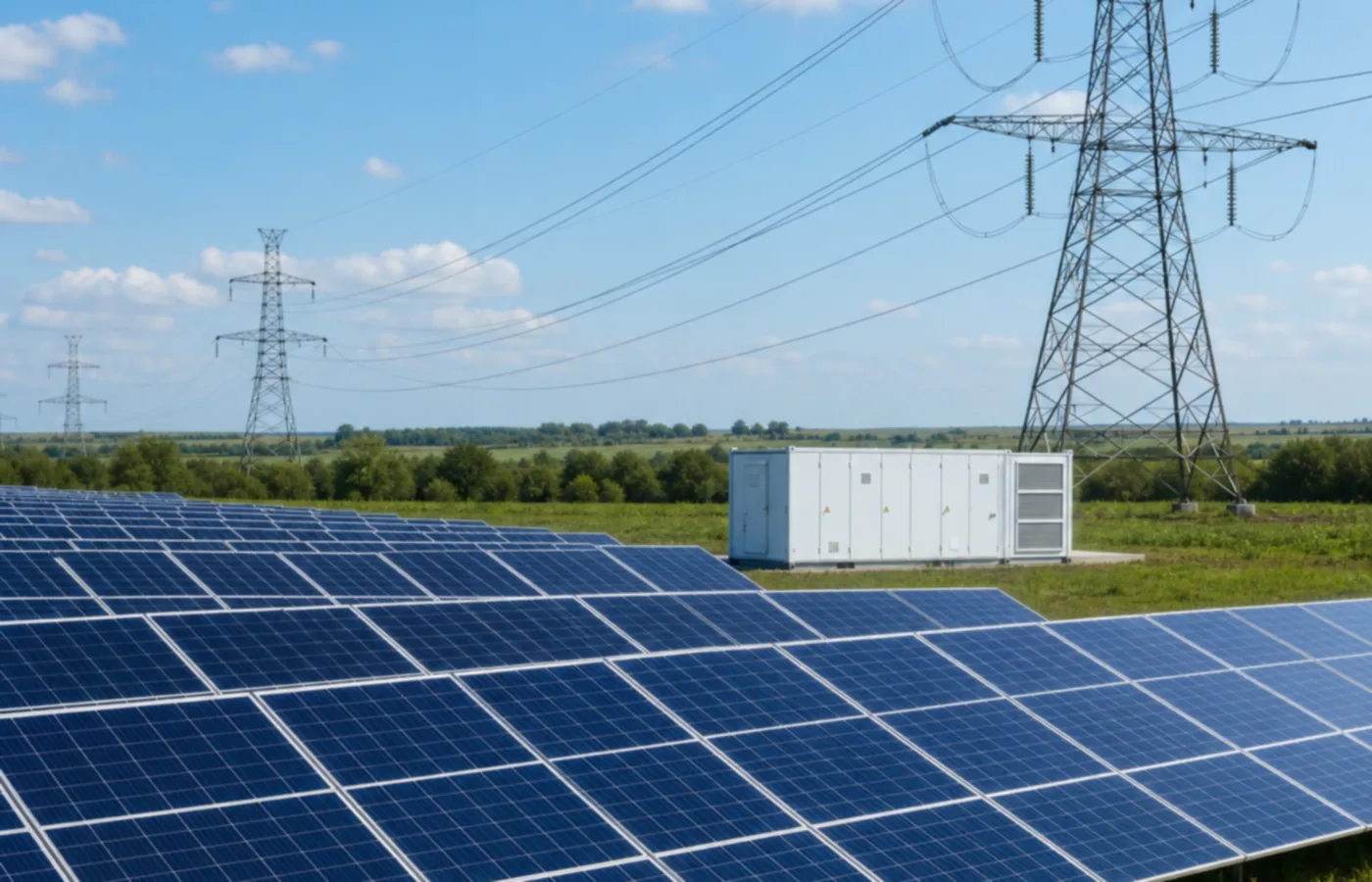
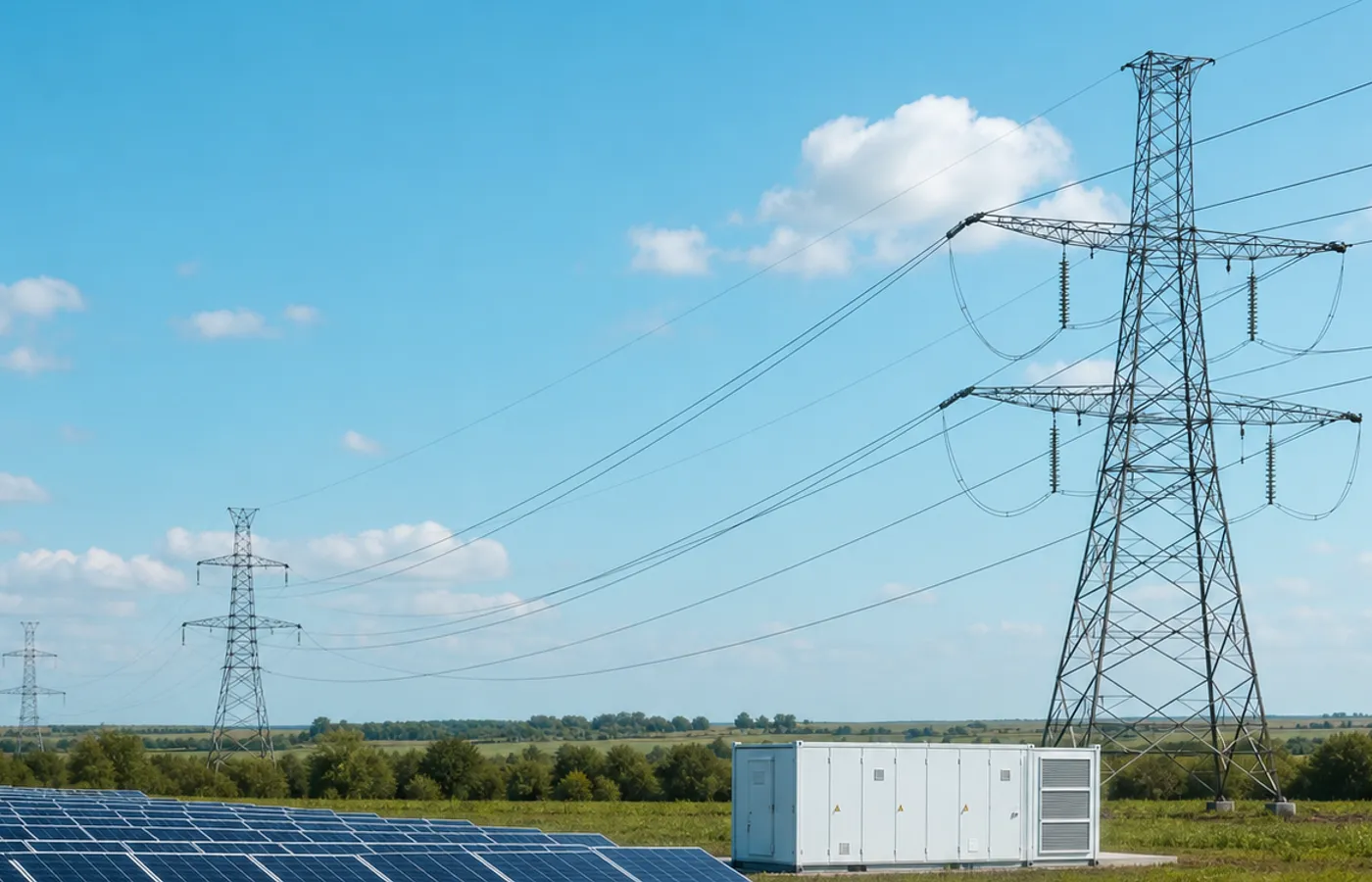
Battery storage is often discussed as a tool for buying low and selling high. That remains useful, but the bigger opportunity is firming renewable electricity so that clean power can serve more hours of the day. IRENA’s work on 24/7 renewables frames this as an economic question, more than an engineering aspiration. As solar and wind shares rise, the value of storage shifts from short-duration arbitrage to portfolio shaping. Batteries can reduce curtailment, cover ramps, support ancillary services and make renewable power more useful to industrial buyers that need dependable supply profiles. This also changes how projects are financed. A standalone battery exposed only to merchant spreads has a different risk profile from storage attached to a renewable supply contract, a data center load or a grid-services framework. The more predictable the revenue stack, the easier it becomes to finance larger deployments. Storage should therefore be evaluated as infrastructure, more than an add-on. Its value grows when it is planned with generation, transmission, demand response and customer load rather than bolted on after congestion appears.
Start with whether batteries and other storage assets can make solar and wind more useful to buyers with hourly needs. Public discussion often skips the operating details.
Commercial Design
Next, test system fit: the value is also buying low and selling high but reducing mismatch and reliability risk. These constraints are not secondary details.
Commercially, contracts should specify the clean-power profile customers need.
Signals to Watch
The rule behind the decision should specify degradation assumptions, a reporting date, and the consequence for missing dispatch rights. Regulators and project sponsors can disagree on design, but the public should still be able to see who has authority to act. That clarity makes later corrections possible.
A useful evidence file for the claim starts with degradation assumptions. Add dispatch rights, the publication date of "IEA World Energy Investment 2026", and the next scheduled disclosure. Those items let a reader test the article's judgment without relying on a repeated market slogan.
For readers, the most practical test is this: storage becomes strategic when it is designed with generation and load together.
Firm Renewables Move Storage Beyond Simple Price Arbitrage needs a basic test: evidence, timing and a clear route from plan to operation.
Related context
The background to firm renewables move storage beyond simple price arbitrage connects with Battery Storage Moves From Renewable Add-On to Grid Asset. For a second firm renewables move storage beyond simple price arbitrage comparison, read Battery Storage Basics: Why Grid Flexibility Matters. The policy or market side of firm renewables move storage beyond simple price arbitrage appears in Long-Duration Storage Needs a Procurement Model.
Next record to check
The next review of firm renewables move storage beyond simple price arbitrage needs a date for fire-safety requirements and a separate date for discharge duration. Use IRENA 24/7 Renewables: The Economics of Firm Solar and Wind to preserve the original reference point, then attach the later public record. This makes any revision traceable to a document rather than a change in editorial tone.
For firm renewables move storage beyond simple price arbitrage, keep one compact file containing fire-safety requirements, replacement cost and the next responsible party. The source IEA Electricity 2026 - Supply anchors the current reading. A later update should explain which assumption moved and why that movement changes the practical decision.
The next review of firm renewables move storage beyond simple price arbitrage needs a date for degradation assumptions and a separate date for discharge duration. Use IEA World Energy Investment 2026 to preserve the original reference point, then attach the later public record. This makes any revision traceable to a document rather than a change in editorial tone.
A follow-up on firm renewables move storage beyond simple price arbitrage should compare degradation assumptions with market revenue. IRENA 24/7 Renewables: The Economics of Firm Solar and Wind supplies the dated baseline, while the next filing or measured result should show what changed. The update should state whether the new evidence alters cost, delivery or the operating conclusion.
A follow-up on firm renewables move storage beyond simple price arbitrage should compare dispatch rights with discharge duration. IEA Electricity 2026 - Supply supplies the dated baseline, while the next filing or measured result should show what changed. The update should state whether the new evidence alters cost, delivery or the operating conclusion.
Sources reviewed
Related Reading
-
Battery Storage Basics: Why Grid Flexibility Matters
-
Battery Storage Moves From Renewable Add-On to Grid Asset
-
Grid-Interactive UPS Systems Could Make Data Centers Flexible
-
Firm Renewables Move Storage Beyond Simple Price Arbitrage
-

Long-Duration Storage Needs a Procurement Model
-
Grid-Scale Batteries Need More Than One Revenue Stream
-
Thermal Storage Deserves More Attention in Industrial Heat
-
Pumped Hydro Modernization Is a Hidden Storage Opportunity