Battery Storage Moves From Renewable Add-On to Grid Asset
For the issue, close the article with a specific follow-up rather than a broad forecast. Name the next release covering degradation assumptions and the decision tied to dispatch rights. Readers can then return to the page when new evidence arrives.
Flexibility Need
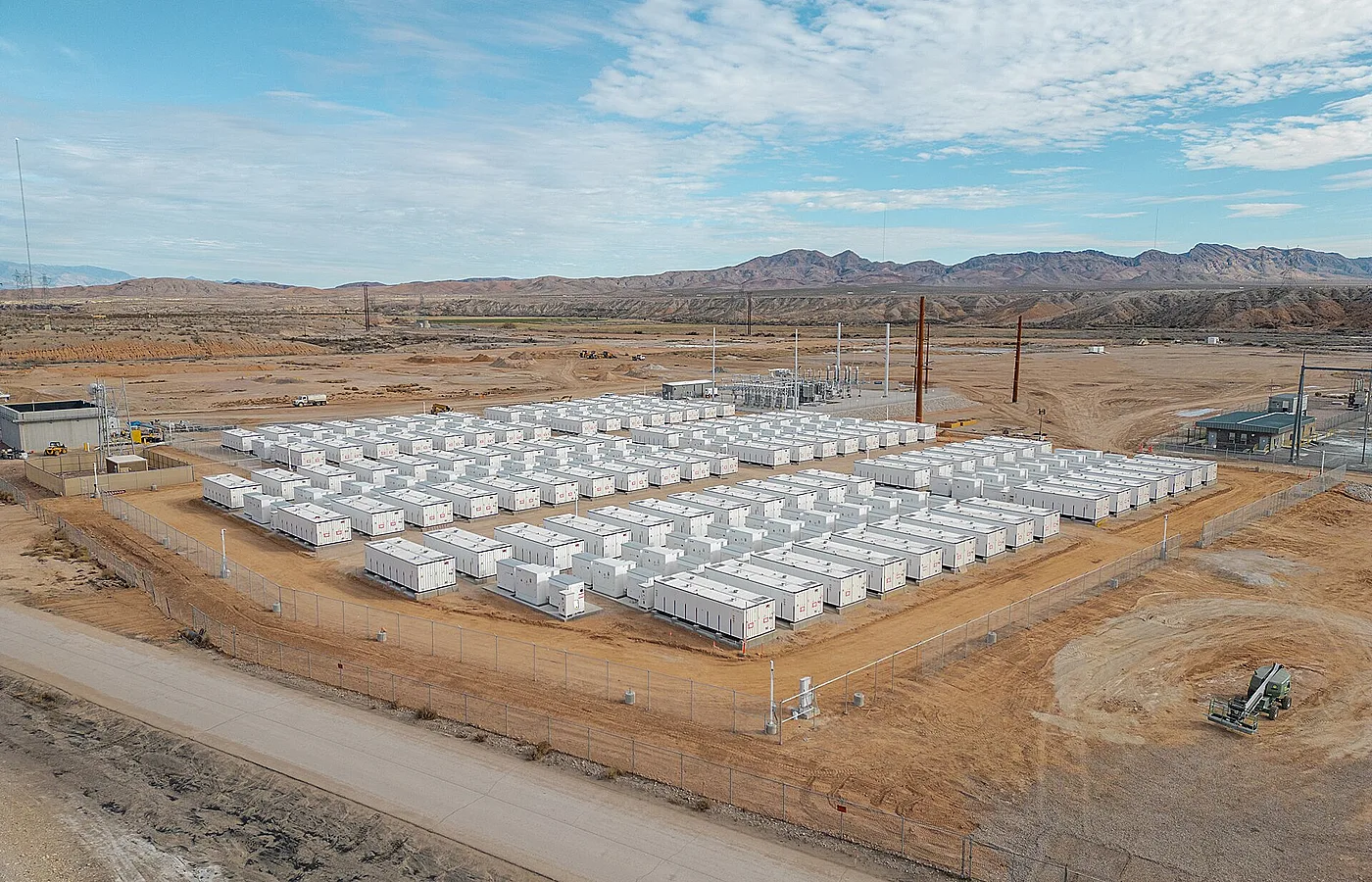
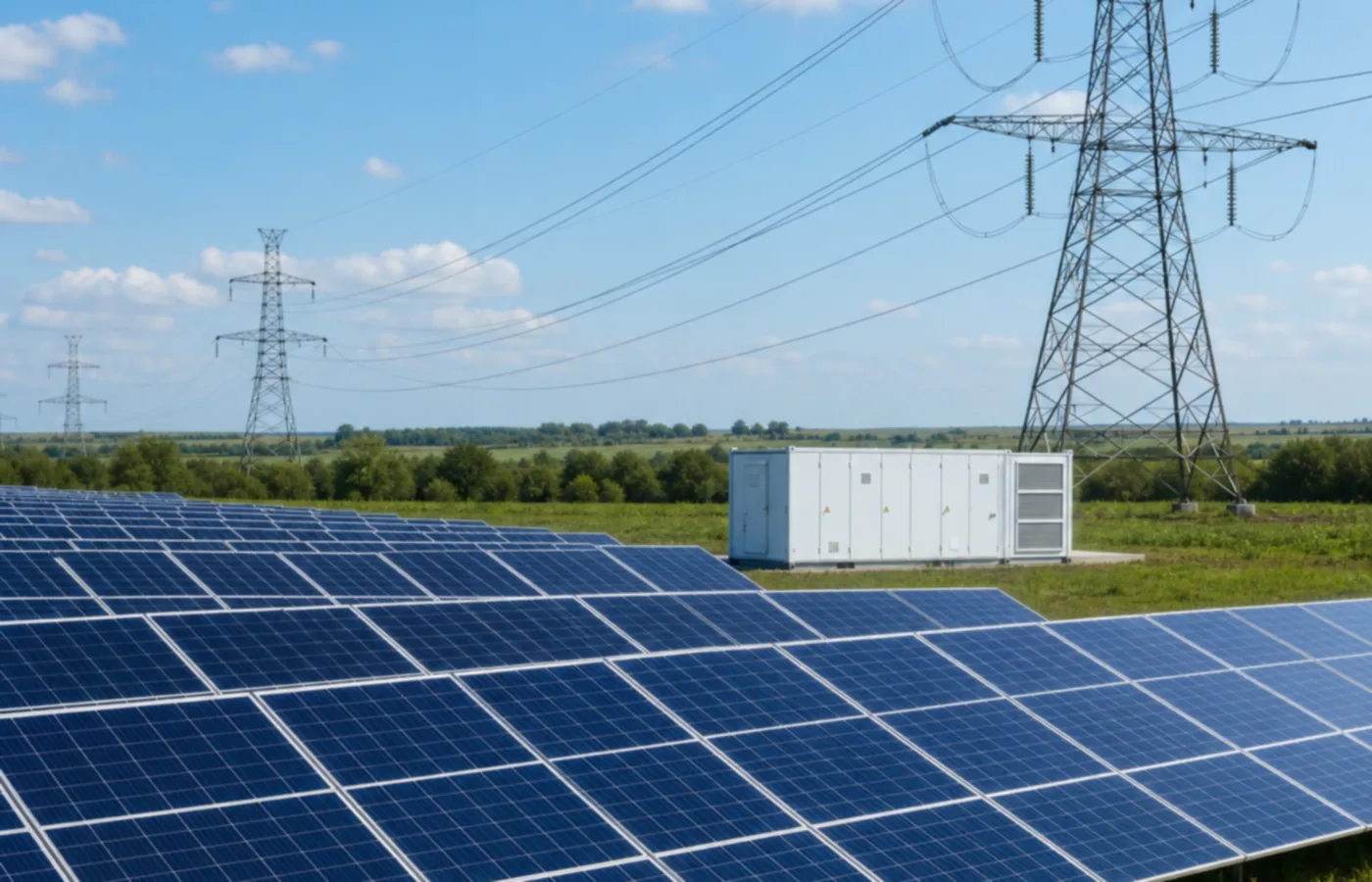
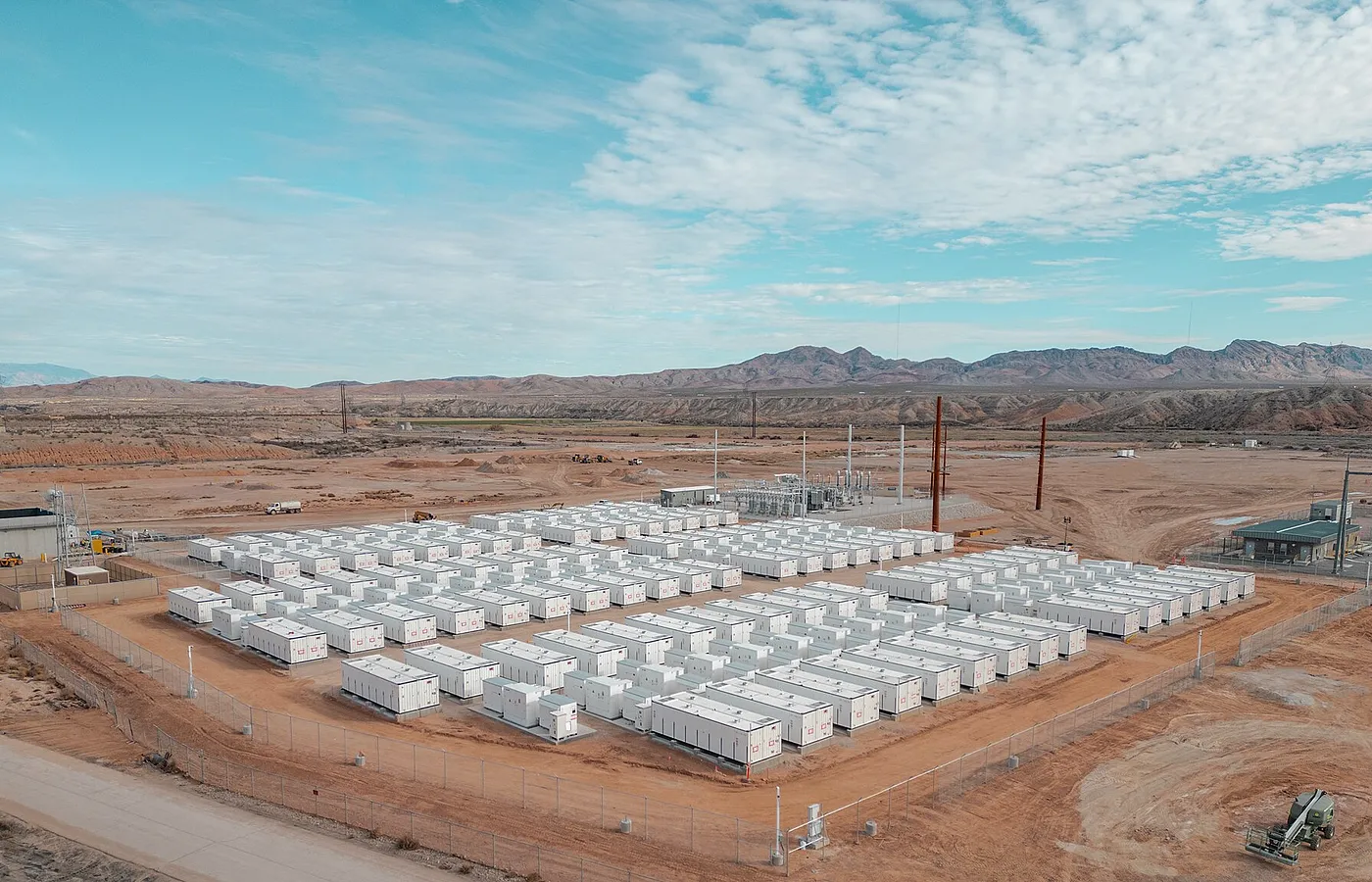
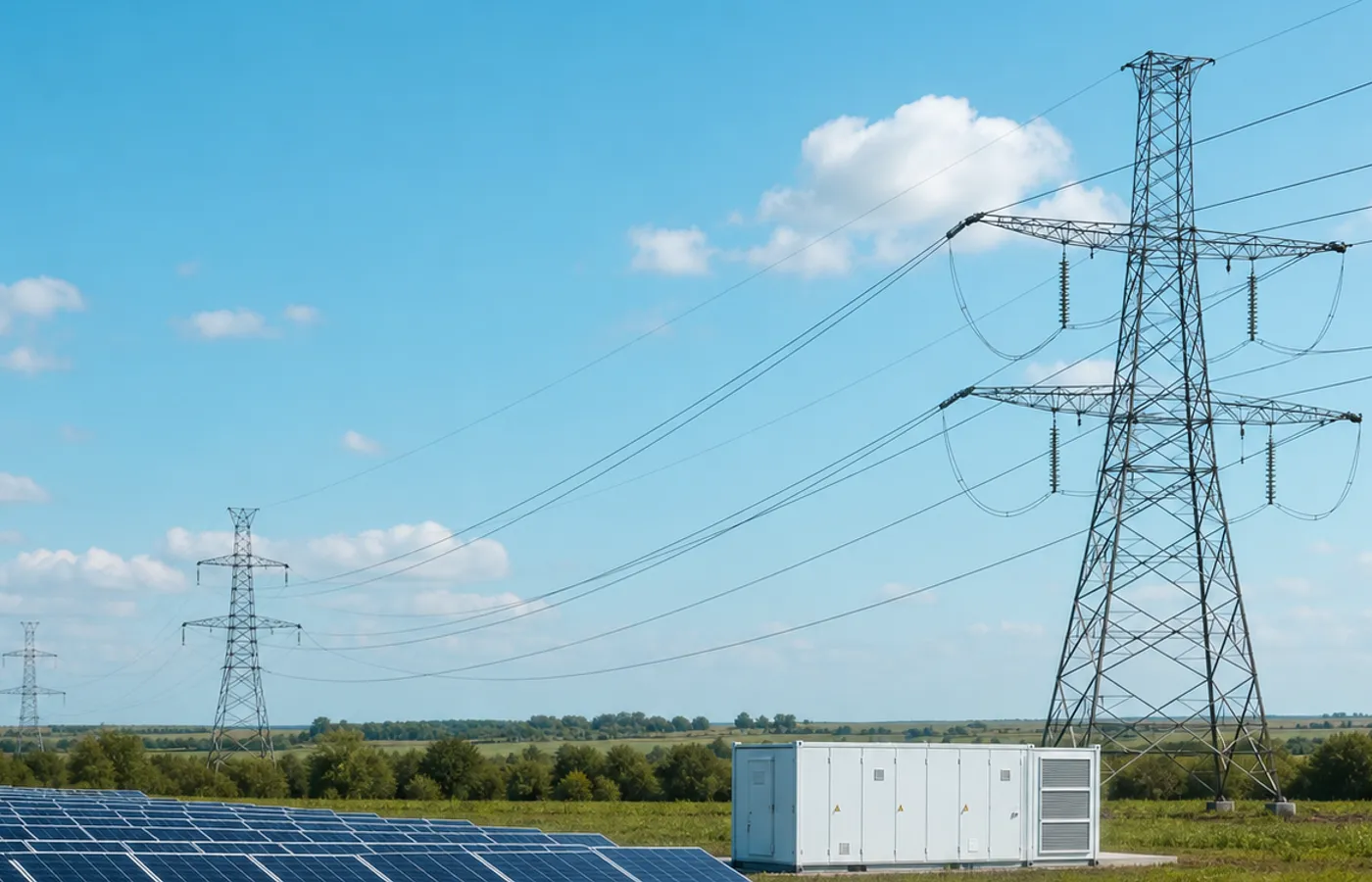
Battery storage is no longer just an accessory attached to renewable projects. It is becoming a grid planning tool. The EIA expects U.S. summer power demand to rise in 2026 while solar and wind supply more of the incremental generation. That combination increases the value of fast response and time shifting. Storage supports the grid in several ways. It can move midday solar output into evening demand, provide frequency response, reduce local congestion and help large customers manage peak exposure. For data centers, storage can also sit inside backup systems and interact with grid services. Recent research on AI data center integration emphasizes multiple layers of storage, from grid-scale batteries to UPS systems and rack-level buffering. That matters because new digital loads can change quickly and may stress local systems even when national power supply looks adequate. The practical conclusion is that storage should be evaluated by use case, not by a generic battery label. Duration, response speed, warranty, cycling profile, market rules and interconnection rights determine whether a storage asset is a reliability tool, a trading asset or both.
Start with whether its value comes from shifting energy, stabilizing frequency, reducing curtailment and supporting peak reliability. Public discussion often skips the operating details.
Commercial Design
Next, test system fit: a battery attached to a renewable plant has a different business case from a merchant grid battery. These constraints are not secondary details.
Commercially, market rules need to pay for the services batteries provide.
Signals to Watch
Accountability for the decision starts with the organization that controls replacement cost. The same record should identify who pays when warranty throughput costs more or arrives late. Without those names, readers cannot tell whether the plan manages risk or transfers it out of view.
A useful evidence file for the claim starts with discharge duration. Add warranty throughput, the publication date of "Grid Integration of AI Data Centers: A Critical Review of Energy Storage Solutions", and the next scheduled disclosure. Those items let a reader test the article's judgment without relying on a repeated market slogan.
For readers, the most practical test is this: storage should be planned as infrastructure that connects generation, demand and network constraints.
Battery Storage Moves From Renewable Add-On to Grid Planning Tool needs a basic test: evidence, timing and a clear route from plan to operation.
Related context
The background to battery storage moves renewable add-on grid asset connects with Battery Storage Basics: Why Grid Flexibility Matters. For a second battery storage moves renewable add-on grid asset comparison, read Battery Storage Is Becoming a Queue Management Asset. The policy or market side of battery storage moves renewable add-on grid asset appears in Firm Renewables Move Storage Beyond Simple Price Arbitrage.
Next record to check
For battery storage moves renewable add-on grid asset, keep one compact file containing discharge duration, dispatch rights and the next responsible party. The source EIA, Short-Term Energy Outlook, June 2026 anchors the current reading. A later update should explain which assumption moved and why that movement changes the practical decision.
A follow-up on battery storage moves renewable add-on grid asset should compare fire-safety requirements with warranty throughput. IEA, Energy and AI supplies the dated baseline, while the next filing or measured result should show what changed. The update should state whether the new evidence alters cost, delivery or the operating conclusion.
For battery storage moves renewable add-on grid asset, keep one compact file containing fire-safety requirements, discharge duration and the next responsible party. The source Grid Integration of AI Data Centers: A Critical Review of Energy Storage Solutions anchors the current reading. A later update should explain which assumption moved and why that movement changes the practical decision.
A follow-up on battery storage moves renewable add-on grid asset should compare degradation assumptions with dispatch rights. EIA, Short-Term Energy Outlook, June 2026 supplies the dated baseline, while the next filing or measured result should show what changed. The update should state whether the new evidence alters cost, delivery or the operating conclusion.
A follow-up on battery storage moves renewable add-on grid asset should compare degradation assumptions with dispatch rights. IEA, Energy and AI supplies the dated baseline, while the next filing or measured result should show what changed. The update should state whether the new evidence alters cost, delivery or the operating conclusion.
The next review of battery storage moves renewable add-on grid asset needs a date for replacement cost and a separate date for discharge duration. Use Grid Integration of AI Data Centers: A Critical Review of Energy Storage Solutions to preserve the original reference point, then attach the later public record. This makes any revision traceable to a document rather than a change in editorial tone.
Sources reviewed
Related Reading
-
Battery Storage Basics: Why Grid Flexibility Matters
-
Battery Storage Moves From Renewable Add-On to Grid Asset
-
Grid-Interactive UPS Systems Could Make Data Centers Flexible
-
Firm Renewables Move Storage Beyond Simple Price Arbitrage
-

Long-Duration Storage Needs a Procurement Model
-
Grid-Scale Batteries Need More Than One Revenue Stream
-
Thermal Storage Deserves More Attention in Industrial Heat
-
Pumped Hydro Modernization Is a Hidden Storage Opportunity